


How to Choose a Hiperpool Shaker Supplier | Buying Guide
When purchasing oilfield solids control equipment, choosing the right Hiperpool shaker supplier is an important step. A shale shaker operates continuously during drilling and directly affects drilling fluid treatment and solids removal. Therefore, buyers should evaluate more than the initial equipment price.
But how can you identify a suitable supplier? What technical specifications should you compare? And what services should a professional manufacturer provide?
This guide answers these questions and provides practical points to consider before placing an order.
What Is a Hiperpool Shaker?
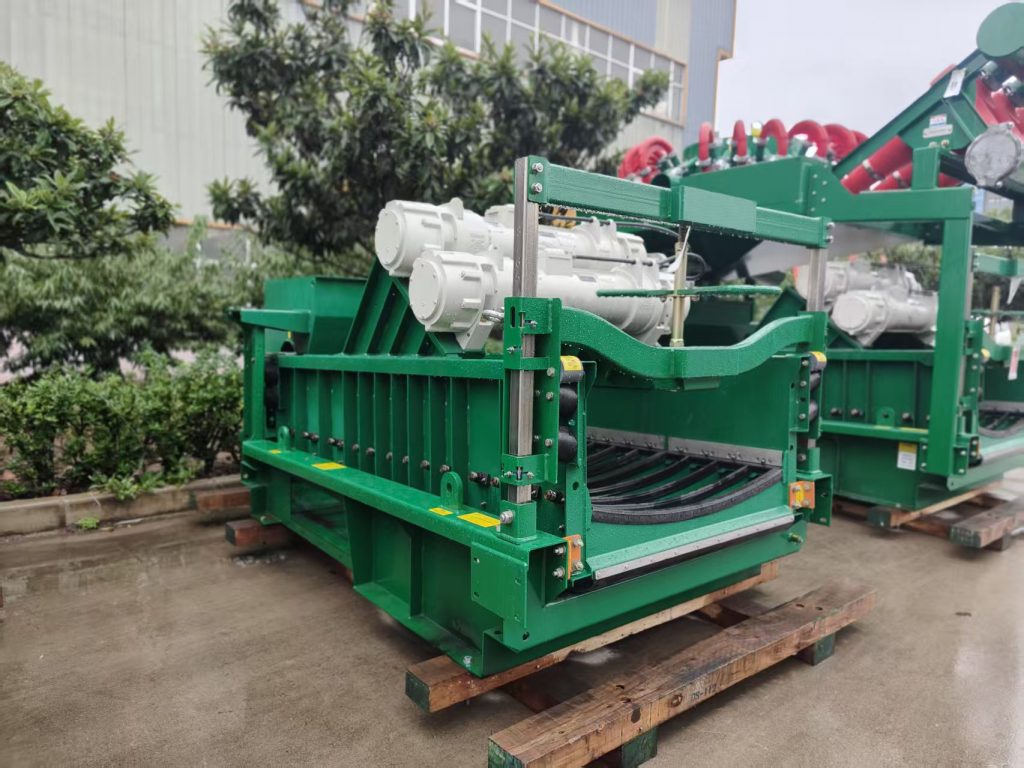
A Hiperpool shaker is a type of shale shaker used in drilling fluid solids control systems. It uses vibration and screen technology to separate drilled solids from drilling fluid.
The separated drilling fluid can be returned to the mud circulation system, while the removed solids can be transferred to subsequent treatment equipment. This process helps improve drilling fluid management and supports efficient solids control.
Because shale shakers are often used in demanding oilfield environments, equipment reliability and correct configuration are important considerations.
Why Is the Supplier Important?
A qualified supplier does more than manufacture the equipment. The supplier should understand the customer’s drilling conditions and recommend a suitable configuration.
Different drilling projects may have different mud flow rates, solids concentrations, screen requirements, power supplies, and installation conditions. A professional Hiperpool shaker supplier should be able to evaluate these requirements before recommending a model.
The supplier’s engineering capability can also affect equipment customization, system integration, spare parts, and technical support.
What Should You Check When Choosing a Hiperpool Shaker Supplier?
1. Manufacturing Experience
First, check the supplier’s experience in manufacturing shale shakers and solids control equipment.
A manufacturer with practical production experience may have a better understanding of equipment structure, vibration systems, screen installation, electrical components, and maintenance requirements.
Buyers can ask for product specifications, factory information, project references, and equipment photographs to better understand the supplier’s manufacturing capabilities.
2. Shale Shaker Performance
Performance should be evaluated according to the actual drilling application.
Important parameters may include:
- Processing capacity
- Screen area
- Vibration characteristics
- Motor configuration
- Separation efficiency
- Deck design
- Feed and discharge arrangement
Do not compare two shale shakers only by appearance. Equipment with similar external designs can have different internal configurations and performance characteristics.
3. Screen Quality
The screen is one of the most important working components of a shale shaker.
Before purchasing, ask about screen type, screen dimensions, mesh options, replacement procedures, and expected service conditions.
A supplier that can provide compatible replacement screens and technical recommendations can help simplify future maintenance.
4. Customization Capability
Oilfield projects often have different technical requirements. A suitable supplier should be able to provide customized solutions when necessary.
Customization may involve:
- Electrical voltage and frequency
- Explosion-proof requirements
- Skid dimensions
- Feed and discharge connections
- Control systems
- Screen configuration
- Equipment layout
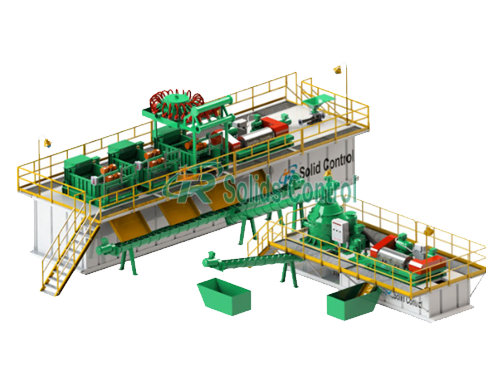
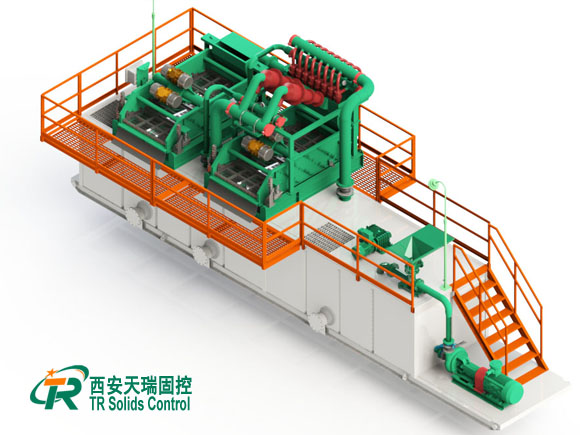
For complete solids control systems, the shaker may also need to work together with mud cleaners, desanders, desilters, vacuum degassers, centrifuges, pumps, and mud tanks.
5. Quality Control
Quality control is another key factor when selecting a Hiperpool shaker supplier.
Ask the supplier about material inspection, welding quality, assembly procedures, electrical testing, vibration testing, and final equipment inspection.
Professional manufacturers should have documented quality-control procedures and should be able to provide relevant inspection or testing documents when required.
6. Delivery and Packaging
For international oilfield projects, delivery time and transportation protection are also important.
Before ordering, confirm the production lead time, packaging method, loading requirements, shipping dimensions, and documentation.
Proper export packaging can help protect the equipment during long-distance transportation.
7. Spare Parts and After-Sales Service
A shale shaker requires regular inspection and maintenance. Screens, motors, bearings, electrical components, and other parts may require replacement during the equipment’s service life.
Therefore, ask whether the supplier can provide spare parts and technical assistance after delivery.
A supplier with responsive communication can make troubleshooting and maintenance more convenient for overseas customers.
Should You Choose the Cheapest Hiperpool Shaker Supplier?
Price is an important purchasing factor, but it should be evaluated together with technical specifications and service.
A lower quotation may exclude certain components, spare parts, control systems, or technical services. Conversely, a higher quotation does not automatically mean better equipment.
The better approach is to compare the complete technical and commercial package, including equipment configuration, capacity, screens, motors, control system, spare parts, warranty, delivery, and after-sales support.
What Information Should You Send to a Supplier?
To receive an accurate quotation, buyers should provide as much project information as possible.
Useful information includes:
- Required mud flow rate
- Drilling application
- Drilling fluid type
- Expected solids loading
- Power supply
- Screen requirements
- Hazardous-area requirements
- Number of units
- Installation conditions
- Required accessories
With this information, the supplier can recommend an appropriate configuration instead of providing a generic quotation.
How Can You Compare Different Suppliers?
Create a simple comparison based on several categories:
Product: specifications, capacity, screens, motors, and construction.
Engineering: customization, system integration, and technical documentation.
Quality: inspection, testing, materials, and manufacturing procedures.
Commercial: price, payment terms, delivery time, packaging, and warranty.
Service: spare parts, technical support, installation assistance, and communication.
This approach allows buyers to make a more informed purchasing decision based on their actual project requirements.
Last but not least
Choosing a Hiperpool shaker supplier requires more than searching for the lowest price. Buyers should consider manufacturing experience, shale shaker performance, screen quality, customization capability, quality control, delivery, spare parts, and after-sales service.
Professional supplier should be able to provide clear technical information and recommend a suitable configuration according to the drilling application.
Before purchasing, request a detailed quotation and technical specification sheet, then compare suppliers based on the complete solution rather than price alone.


Leave a Reply