Tag Archives: Drilling Fluid Separation
How to Choose China Hiperpool Shaker for Oilfield Drilling
Choosing the right shale shaker is important for maintaining efficient drilling fluid separation and stable solids control performance. For buyers searching for a China Hiperpool Shaker, the challenge is not simply finding a low-price machine. The shaker should match the drilling flow rate, mud properties, screen requirements, installation conditions, and long-term maintenance plan.
Hyperpool-type shale shaker is generally used as primary solids control equipment to separate drilled cuttings from drilling fluid. Its performance directly influences fluid recovery, downstream equipment protection, waste handling, and overall drilling efficiency.
So, how should you choose a China Hiperpool Shaker?
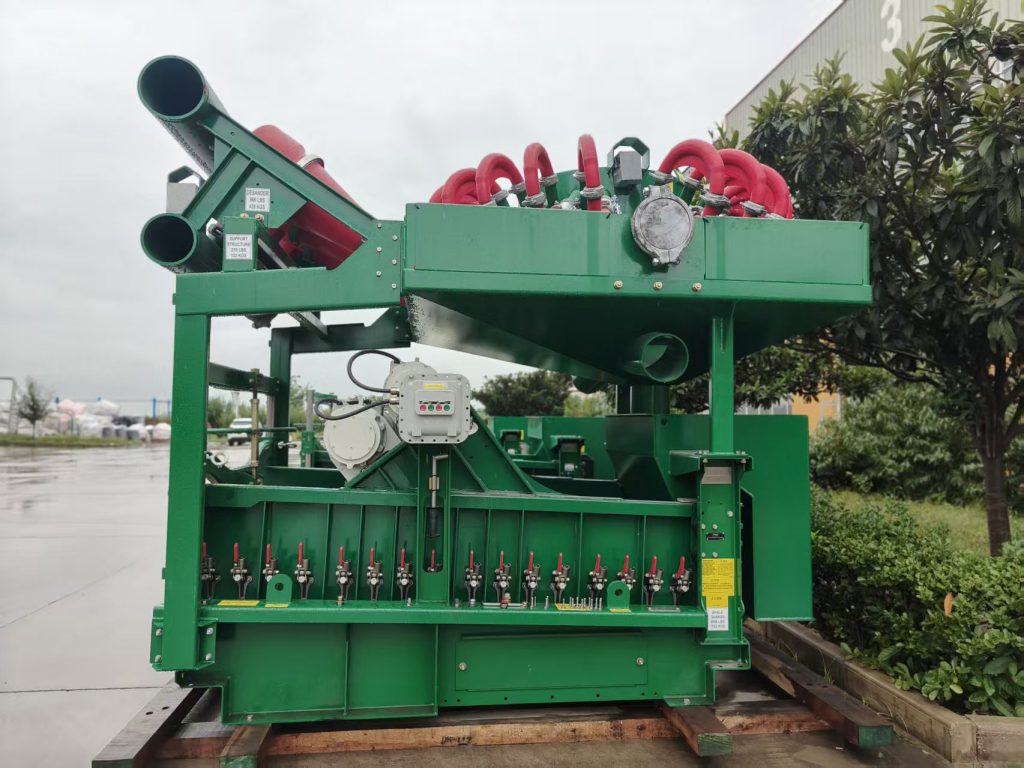
Hiperpool Shaker
1. Check the Required Processing Capacity
The first factor is processing capacity.
Before purchasing a China Hiperpool Shaker, determine the actual drilling fluid circulation rate of your rig. A shaker with insufficient capacity may cause excessive fluid loading, screen flooding, poor separation, and unstable operation.
For example, suppliers may offer different processing capacities according to shaker configuration, drilling fluid density, solids loading, and screen selection. Therefore, buyers should not compare capacity figures without checking the operating conditions behind those figures.
The best practice is to provide the manufacturer with your expected flow rate, mud weight, mud type, drilled solids characteristics, and drilling depth. The manufacturer can then recommend a suitable configuration.
2. Select the Right Shale Shaker Screen
The screen is one of the most important working components of a shale shaker.
A suitable Hiperpool Shale Shaker should use screens that match the required separation performance and drilling fluid characteristics. API RP 13C is commonly used as an industry standard for physical testing and labeling of shaker screens.
Different screen mesh sizes provide different separation results. A finer screen can remove smaller solids, but it may also reduce flow capacity or increase the risk of screen plugging under certain conditions.
Therefore, buyers should consider:
- API screen designation
- Mesh size
- Screen construction
- Effective screening area
- Screen replacement method
- Screen service life
- Compatibility with the shaker frame
Pyramid-style screens can provide a larger effective screening area than conventional flat screens, which can be beneficial when high throughput is required.
3. Compare Vibration Performance
Vibration performance directly affects solids conveyance and separation efficiency.
A Hyperpool-type shaker generally uses linear-motion vibration technology. The vibration force, amplitude, motor configuration, and operating angle should be evaluated according to the drilling application.
For example, available Hyperpool configurations may use two vibration motors and provide adjustable deck angles. Some commercial specifications list G-force levels around 7 G or higher depending on configuration.
When comparing a China Hiperpool Shaker with other models, do not look only at the motor power. Check the complete vibration system, including:
- Vibration force
- Motor reliability
- Bearing design
- Vibration stability
- Deck angle adjustment
- Noise level
- Maintenance requirements
A properly matched vibration system helps maintain stable solids transport while protecting the equipment from unnecessary mechanical stress.
4. Consider the Drilling Mud Type
The drilling fluid used in your project is another important factor.
A China Hiperpool Shaker may be configured for different drilling applications, including water-based mud, oil-based mud, synthetic-based mud, and other drilling fluid systems.
However, the same screen configuration should not automatically be used for every mud system.
Mud viscosity, density, temperature, solids concentration, and particle size distribution can significantly affect shaker performance. Oil-based mud may also require specific operating and environmental considerations.
Before ordering, provide the manufacturer with detailed mud parameters so the screen configuration and shaker operating conditions can be properly selected.
5. Evaluate Screen Replacement and Maintenance
Maintenance cost is an important part of the total cost of ownership.
A shale shaker may operate continuously for long periods in demanding oilfield environments. Screen replacement, vibration motor inspection, spring inspection, bearing condition, and structural checks should therefore be considered before purchasing.
A quick-change screen design can reduce maintenance downtime. Some Hyperpool configurations use screen systems designed for fast replacement, helping drilling crews reduce equipment downtime.
When selecting a China Hiperpool Shaker, ask the supplier:
- How long does screen replacement take?
- Are replacement screens readily available?
- Are motors and spare parts standard?
- Can the supplier provide maintenance instructions?
- Is technical support available after installation?
A competitive purchase price is useful, but easy maintenance can provide greater savings over the equipment’s operating life.
6. Check Equipment Compatibility
If the shaker will replace an existing unit, compatibility should be carefully checked.
Important dimensions include the overall footprint, screen size, inlet and outlet arrangement, discharge configuration, electrical requirements, and installation position.
For example, Hyperpool systems are available in different configurations, including single, dual, and triple arrangements. Modular designs can help drilling contractors adapt solids control equipment to different rig layouts.
For replacement projects, provide drawings, photographs, existing shaker model information, and installation dimensions to the China manufacturer. This can reduce the risk of receiving equipment that cannot be installed directly.
7. Compare the Supplier, Not Only the Price
One of the biggest mistakes when purchasing a China Hiperpool Shaker is comparing only the initial quotation.
Professional supplier should be able to provide:
- Complete technical specifications
- Product drawings
- Screen information
- Motor specifications
- Quality inspection documents
- Testing information
- Spare parts support
- Installation guidance
- After-sales technical service
The total purchase decision should consider equipment quality, delivery time, spare parts availability, technical support, warranty, and long-term operating cost.
8. Why Consider a China Hiperpool Shaker?
Chinese manufacturers can offer customized shale shaker solutions for different drilling applications. Depending on the supplier, buyers may be able to request different screen configurations, electrical standards, motor options, deck arrangements, colors, dimensions, and supporting equipment.
A China-manufactured Hyperpool-compatible shaker can therefore be considered when the buyer wants to balance performance, customization, spare parts availability, and purchasing cost.
However, buyers should always verify technical specifications rather than choosing equipment based solely on the product name.
9. Final Checklist Before Ordering
Before purchasing a China Hiperpool Shaker, confirm the following:
- Required drilling fluid flow rate
- Mud type and density
- Expected solids loading
- Required screen mesh or API designation
- Shaker processing capacity
- Vibration mode and G-force
- Deck angle adjustment
- Motor and electrical requirements
- Screen replacement method
- Installation dimensions
- Spare parts availability
- Warranty and technical support
In short, the best China Hiperpool Shaker is not necessarily the cheapest model. It is the machine that provides the right combination of processing capacity, solids separation, screen performance, reliability, maintenance convenience, and total operating cost.
For oilfield drilling projects, buyers should send actual operating parameters to the manufacturer and request a technical recommendation before placing an order. This approach can help ensure that the selected Hiperpool Shale Shaker works efficiently within the complete solids control system.
Hiperpool Shaker Price: What Factors Affect the Cost?
If you are searching for “hiperpool shaker price,” you may be wondering why the price of a Hiperpool shaker can vary significantly between suppliers and configurations. Is the price based only on the shaker itself? What specifications should you compare before making a purchase? This article answers the most common questions buyers may have.
What Is a Hiperpool Shaker?
A Hiperpool shaker is a type of oilfield shale shaker designed for solids control during drilling operations. It separates drilled solids from drilling fluid by using vibration and specially designed screens.
The recovered drilling fluid can then return to the circulation system, while separated solids are discharged for further treatment or disposal.
How Much Does a Hiperpool Shaker Cost?
There is no single fixed Hiperpool shaker price. The final cost depends on several factors, including the model, processing capacity, screen configuration, motor specifications, control system, materials, and supplier requirements.
For this reason, buyers should request a detailed quotation based on their actual drilling application instead of comparing prices based only on the product name.
Why Does the Hiperpool Shaker Price Vary?
Several factors can affect the quotation.
1. Processing Capacity
A shaker designed for higher mud flow rates generally requires a larger or more powerful configuration. Higher-capacity equipment may therefore have a higher purchase price.
2. Screen Configuration
Screen type, quantity, mesh size, and replacement requirements can influence the total cost. Since screens are critical consumable components, buyers should also consider long-term operating costs.
3. Motor and Electrical Configuration
Different motor power, voltage, frequency, hazardous-area requirements, and electrical standards may affect the price. This is particularly important for international oilfield projects.
4. Control System
A basic shaker may use a relatively simple control configuration, while an automated system can include PLC control, monitoring functions, alarms, and integration with other solids control equipment.
5. Customized Requirements
Some drilling projects require customized inlet and outlet arrangements, skid dimensions, lifting structures, explosion-proof components, or special materials. These requirements can increase the overall equipment cost.
Is a Lower Hiperpool Shaker Price Always Better?
Not necessarily.
A low purchase price may look attractive, but buyers should also evaluate separation efficiency, processing capacity, screen life, vibration performance, motor quality, maintenance requirements, spare parts availability, and after-sales service.
For oilfield equipment, total operating cost is often more important than the initial purchase price.
What Should Buyers Ask Before Getting a Quotation?
Before requesting a Hiperpool shaker quotation, it is useful to provide the supplier with several technical details:
- Required mud flow rate
- Drilling fluid type
- Expected solids loading
- Screen specification
- Power supply requirements
- Hazardous-area classification
- Number of shakers required
- Required control system
- Installation environment
- Spare parts requirements
Providing accurate information allows manufacturers to recommend a suitable configuration and provide a more reliable quotation.
How Can You Compare Hiperpool Shaker Prices?
Instead of comparing only the quoted price, buyers should compare the complete technical and commercial package.
Ask whether the quotation includes shaker screens, motors, control panels, spare parts, testing, packaging, technical documentation, commissioning support, and warranty service.
Two machines with similar appearances may have very different specifications and long-term operating costs.
Can a Manufacturer Provide a Customized Hiperpool Shaker?
Yes. Oilfield solids control equipment is often customized according to drilling conditions and project requirements.
Manufacturers may provide customized solutions involving processing capacity, screen configuration, electrical components, skid design, control systems, and equipment integration.
What Is the Best Way to Get a Hiperpool Shaker Price?
The best approach is to contact a professional solids control equipment manufacturer and provide your technical requirements.
Instead of asking only “What is the Hiperpool shaker price?”, consider asking:
“What Hiperpool shaker configuration do you recommend for my required mud flow rate, and what is the complete equipment price?”
This approach makes it easier to compare different suppliers and avoid purchasing equipment that does not match your drilling application.
Searching for “hiperpool shaker price” is a good starting point, but price should not be the only purchasing factor. A suitable shale shaker should provide reliable solids separation, stable vibration performance, efficient drilling-fluid recovery, convenient maintenance, and dependable long-term operation.
When comparing suppliers, evaluate technical specifications, equipment configuration, manufacturing quality, operating cost, spare parts, delivery, warranty, and after-sales support together. A slightly higher initial investment may provide better overall value throughout the equipment’s service life.
How to Choose the Right Drilling Shale Shaker for Efficient Oil Drilling
Learn how to select the best drilling shale shaker for your oil drilling projects, improve solids control, and maximize drilling efficiency. The drilling Shale Shaker is a key component in the solids control system of any oil drilling operation. Choosing the right drilling shale shaker can significantly impact the efficiency, safety, and cost-effectiveness of drilling. In this article, we will explore how to select a drilling shale shaker that meets your project requirements while ensuring high performance and durability.
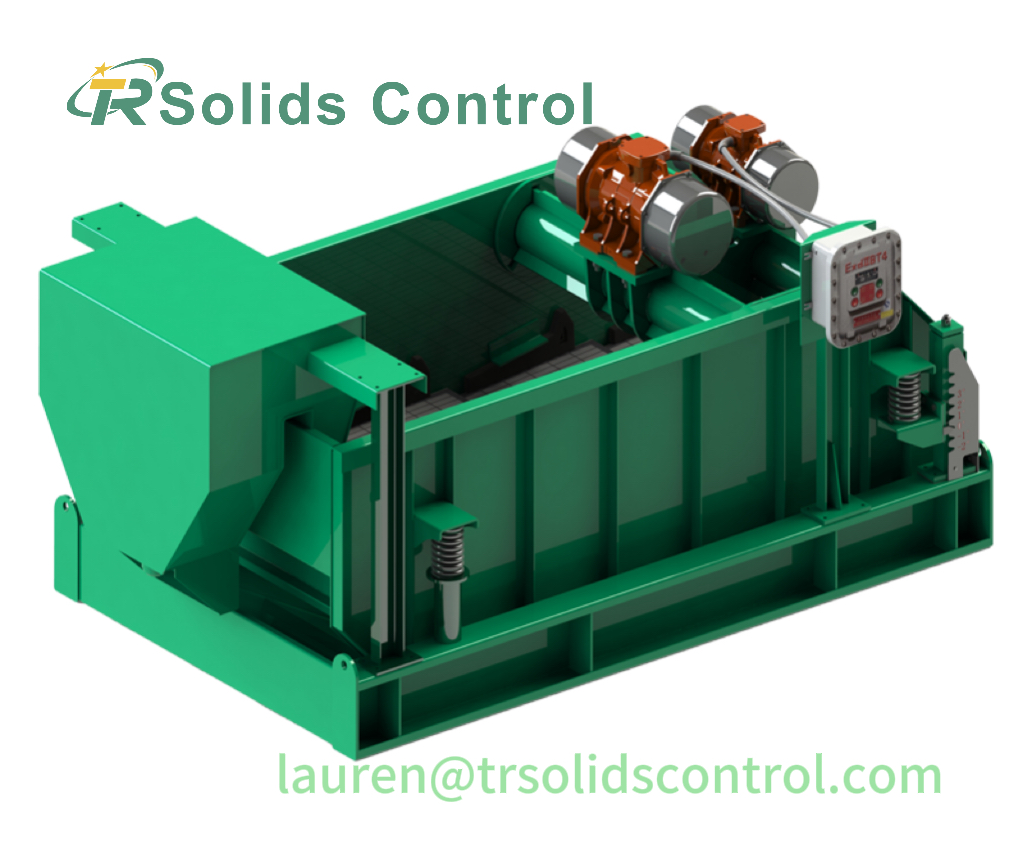
Understand Your Drilling Needs .
Before selecting a drilling shale shaker, analyze the type of drilling fluids, the volume of cuttings, and the expected drilling depth. High-volume drilling requires shakers with larger screening areas, while complex drilling fluids may need multi-deck shale shakers for better separation efficiency.
Evaluate Shaker Performance .
Key performance factors include vibration frequency, stroke length, deck angle, and mesh size. Higher vibration frequency improves fine solids removal, while adjustable deck angles allow optimization for different drilling fluids. Choose a shaker that can maintain consistent performance under heavy-duty drilling conditions.
Consider Durability and Maintenance .
Drilling shale shakers operate under harsh conditions. Material selection, such as stainless steel or high-strength alloy, and easy-to-replace screen panels are critical for minimizing downtime. Regular maintenance ensures long-term reliability and reduces operational costs.
Look for Energy Efficiency .
Energy-efficient shakers reduce operational costs and environmental impact. Modern drilling shale shakers often feature low-power motors with optimized vibration mechanisms, which save electricity while maintaining high solids separation efficiency.
Choose the Right Supplier .
Partner with a reputable manufacturer that provides technical support, spare parts, and after-sales service. A reliable supplier ensures timely delivery, installation support, and troubleshooting assistance for your drilling projects.
Selecting the right drilling shale shaker is essential for improving drilling efficiency, reducing downtime, and controlling operational costs. Focus on your drilling needs, performance, durability, energy efficiency, and supplier reputation to make the best choice for your oil drilling project.
What Are Some Shale Shaker Factories In China?
What is the shale shaker and why is it important in drilling?
Shale Shaker is a primary piece of solids control equipment used in drilling operations to remove drilled solids from drilling fluids. Efficient separation ensures drilling efficiency, reduces wear on pumps, and protects downstream equipment.
Which shale shaker factories are leading in China?
China hosts multiple shale shaker factories known for producing high-quality and reliable solids control equipment. Leading factories offer customizable designs, compliance with API standards, and support for both onshore and offshore drilling operations.
How to choose the right shale shaker factory?
When selecting a factory, consider:
- Production capacity and experience in the oil & gas industry
- Quality certifications and compliance with standards
- Availability of technical support and spare parts
- Innovations that enhance drilling efficiency
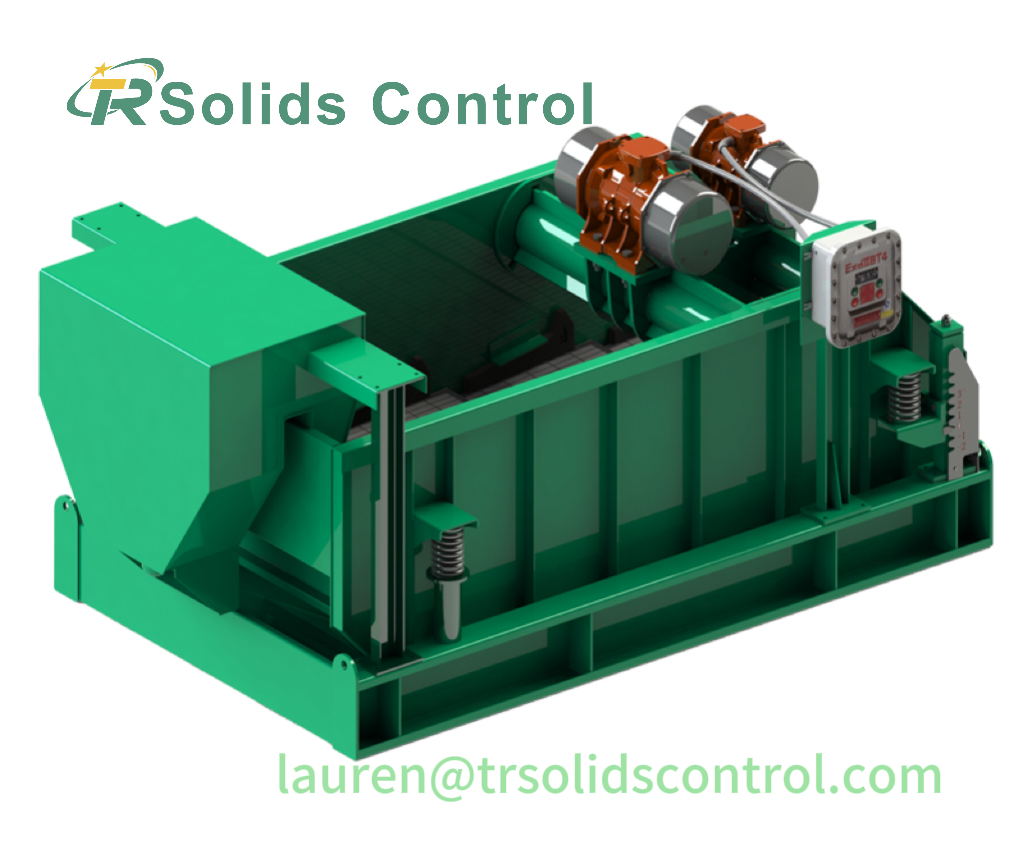
What are the advantages of sourcing from Chinese shale shaker factories?
- Competitive pricing without compromising quality
- Access to the latest solids control equipment technology
- Flexibility for custom orders and fast delivery
- Reliable support for global oil & gas projects
How can a shale shaker factory improve drilling efficiency?
The professional shale shaker factory provides advanced equipment that efficiently separates solids, reduces mud loss, minimizes downtime, and ensures stable drilling operations.
What are the different types of Shale Shakers?
What are Shale Shakers and Why are They Important?
Shale shakers are essential solid control equipment used in the oil and gas industry, specifically in drilling operations. These machines are responsible for separating drilled cuttings (also known as shale) from the drilling fluid or mud. They play a crucial role in maintaining the efficiency of drilling operations by ensuring that the mud is kept clean and free of debris, allowing for the continuous and effective circulation of the drilling fluid.
What Are the Different Types of Shale Shakers?
There are several types of shale shakers, each designed to address specific needs in drilling operations. The most common types include:
- Linear Motion Shale Shakers:Linear motion shakers are the most widely used type of shale shaker in the industry. They move the screen in a straight-line motion, making them effective for drilling applications that involve light to medium viscosity fluids. These shakers are ideal for general-purpose use in both onshore and offshore drilling operations.
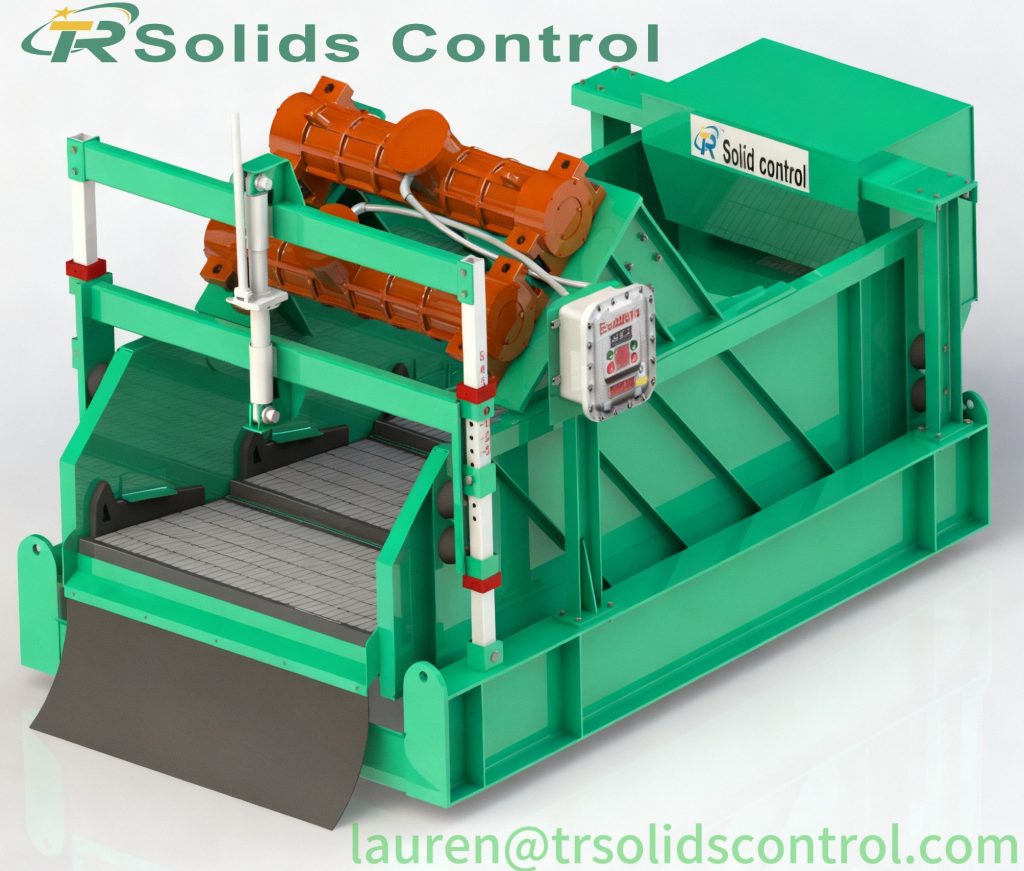
- Elliptical Motion Shale Shakers:Elliptical motion shakers combine both linear and elliptical motion, which allows them to provide higher separation efficiency compared to linear motion models. The combination of motions enhances the fluid and solids separation process, making them highly suitable for more demanding drilling operations, including high-viscosity fluids.
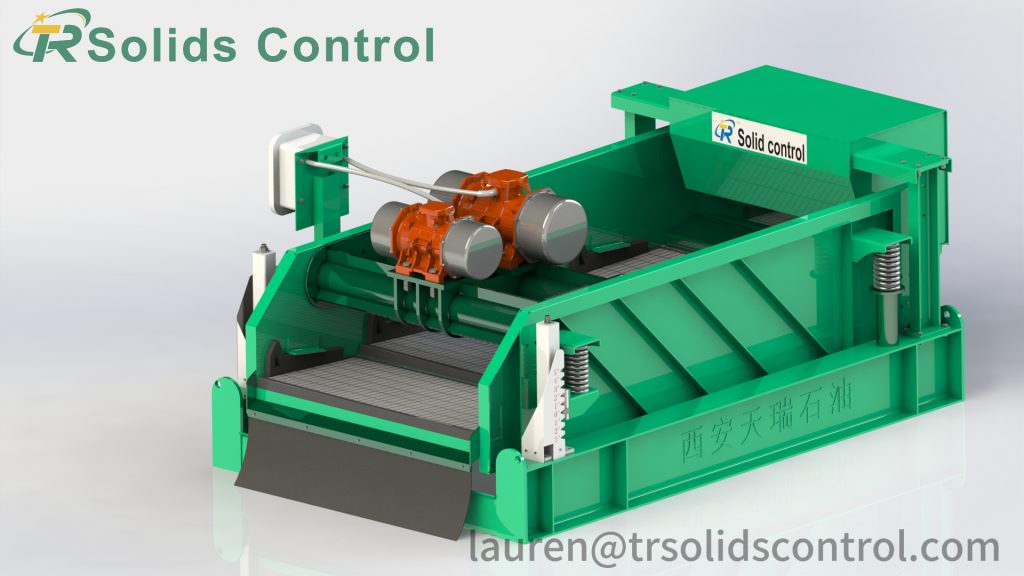
- Mud Shale Shaker:The Mud Shale Shaker is a specific type of shaker designed to work with mud-based drilling fluids. These shakers are designed for use in more challenging environments where the drilling fluid needs to be efficiently separated from larger solids. A Mud Shale Shaker helps optimize the drilling mud’s performance, improving the efficiency of the entire drilling operation.
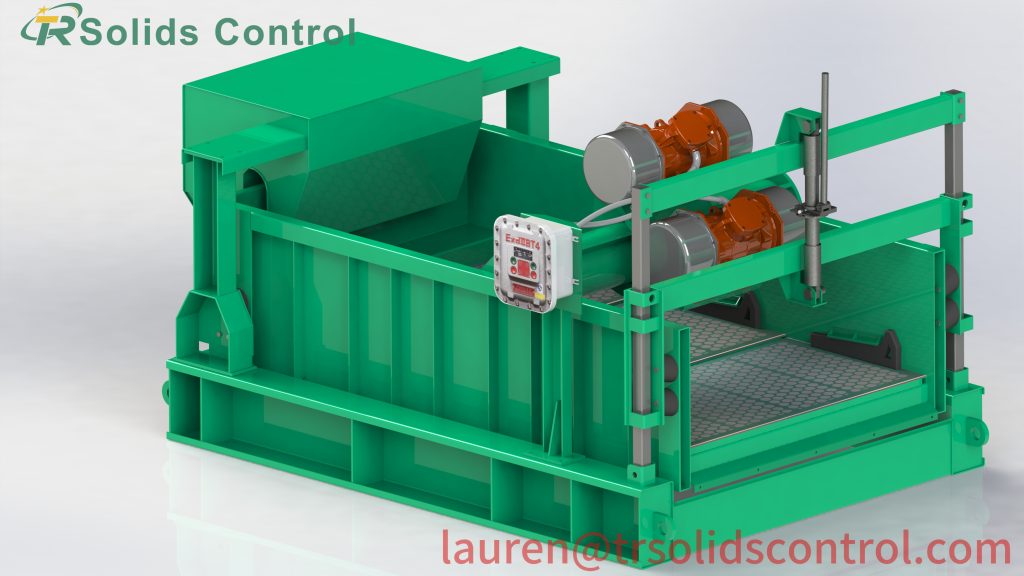
What is TR Solids Control’s Role in Shale Shakers?
TR Solids Control is a leading manufacturer and supplier of advanced solid control equipment, including shale shakers. Known for its high-quality products, TR Solids Control provides a range of shale shaker models, such as linear motion and elliptical motion shakers, to meet the specific needs of drilling operations. Their equipment is designed to offer high separation efficiency, durability, and reliability, ensuring that your drilling operations run smoothly.
Why Choose TR Solids Control for Your Shale Shaker Needs?
When choosing a shale shaker for your operations, it is essential to consider performance, efficiency, and long-term reliability. TR Solids Control offers a variety of models tailored to different drilling requirements, backed by years of expertise in the solid control industry. Their products are designed to reduce downtime and improve the overall cost-effectiveness of drilling projects.
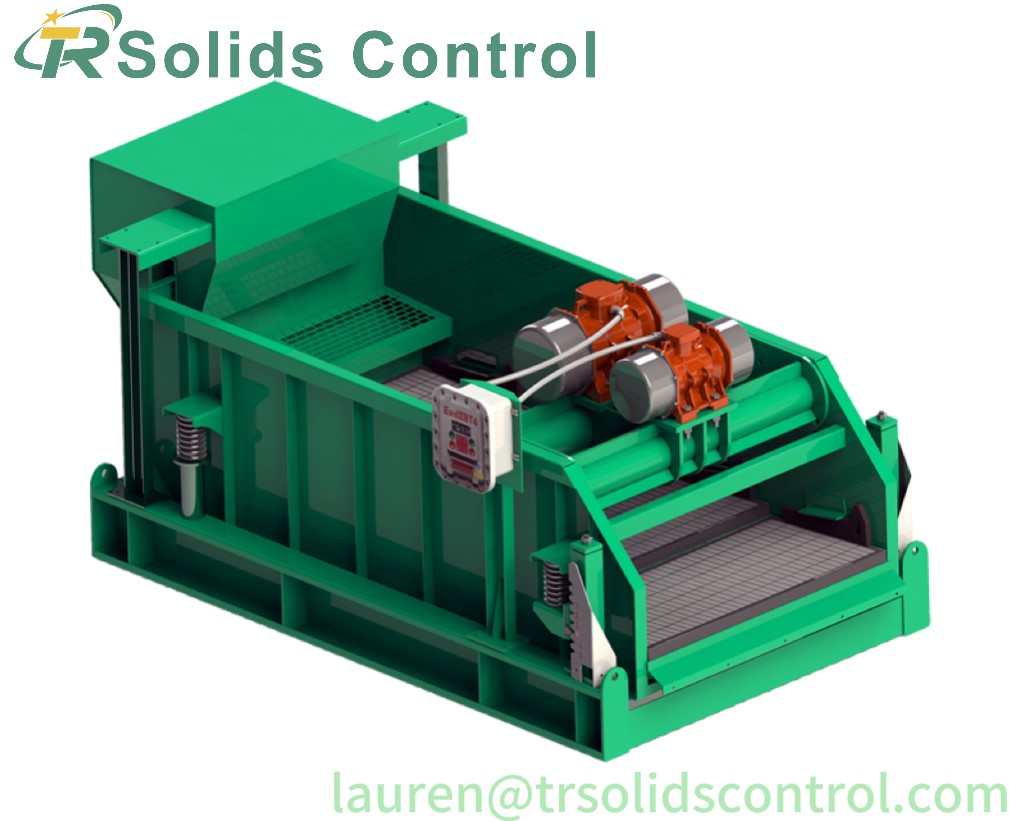
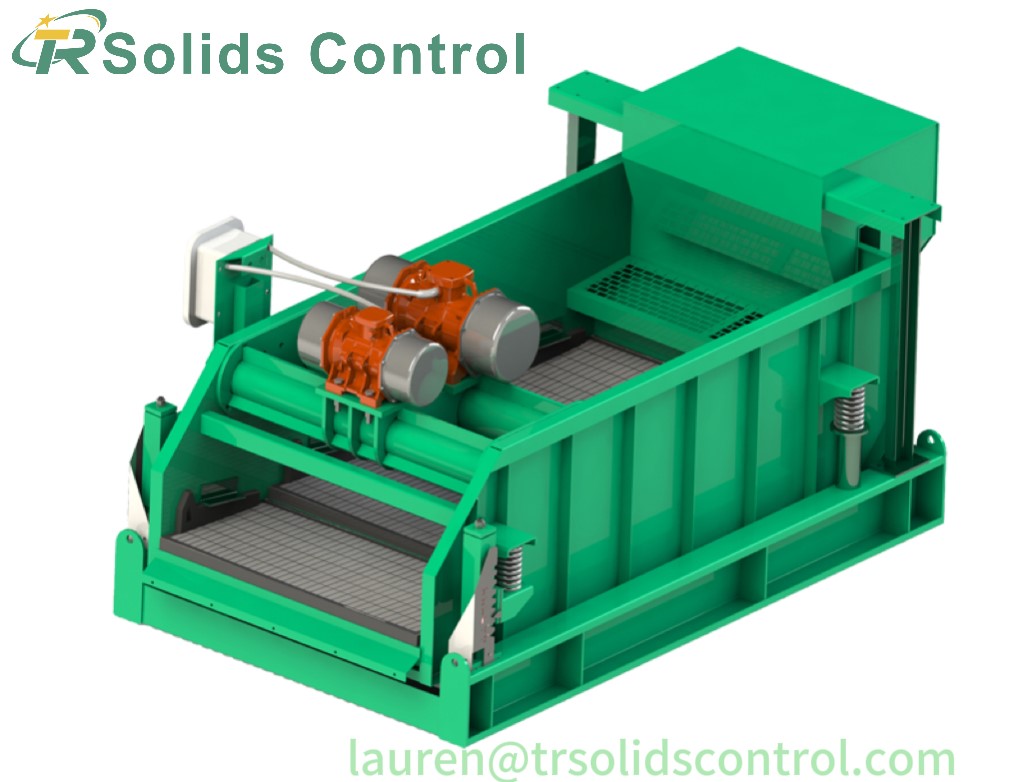
Translational Elliptical Shale Shaker: Efficient Solids Control
Translational Elliptical Shale Shaker is the specialized piece of drilling equipment used to separate drilled cuttings and solids from the drilling fluid during the drilling process. This shaker utilizes the translational elliptical motion to effectively separate and remove unwanted particles from the fluid, which is crucial for maintaining the efficiency and performance of the drilling operation. Unlike traditional shakers that use linear or circular motions, the elliptical motion of the translational shaker enhances the screening process, leading to better solids control, higher performance, and longer equipment life.
Why is Translational Elliptical Motion Used in Shale Shakers?
The key advantage of using a translational elliptical motion is its ability to maximize the efficiency of solids separation. Traditional shakers with linear or circular motions often fail to efficiently separate finer particles, whereas the elliptical motion provides an optimal trajectory that helps in separating both large and fine cuttings more effectively. This enhanced separation process reduces wear on the shaker, increases fluid flow, and improves the overall performance of the drilling operation.
How Does the Translational Elliptical Shale Shaker Improve Solids Control?
By using the translational elliptical motion, this shaker creates a more effective screening action that can handle larger quantities of drilled cuttings. The shaker’s movement enhances the efficiency of separating solids from the drilling fluid, reducing the risk of clogging and helping maintain the consistent flow of clean fluid to the drill bit. This continuous removal of solids also helps to prevent the formation of unwanted buildup in the drilling system, allowing for longer operational intervals without maintenance.
What Are the Benefits of Using a Translational Elliptical Shale Shaker in Drilling Operations?
The use of this advanced shaker technology offers several key benefits to drilling operations:
- Enhanced Efficiency: The elliptical motion allows for faster and more thorough separation of cuttings, improving the overall drilling speed.
- Reduced Wear: The optimal motion pattern reduces strain on the shaker components, leading to the longer service life.
- Improved Performance: With better solids control, drilling operations can achieve higher penetration rates, lower risk of wellbore instability, and cleaner fluid flow.
Key Industries that Benefit from Translational Elliptical Shale Shakers
This shaker technology is widely used in industries like oil and gas, geothermal energy, and mining, where maintaining fluid integrity is essential for efficient and effective drilling operations. It is particularly valuable in environments with high solids content in the drilling fluid, as it ensures that the fluid remains clean and effective throughout the drilling process.
The Translational Elliptical Shale Shaker represents the significant advancement in drilling technology, offering superior solids control, enhanced performance, and longer equipment life. By utilizing the unique elliptical motion, this shaker improves the efficiency of solids separation, leading to cleaner drilling fluid and more stable operations. Industries such as oil and gas, mining, and geothermal energy can benefit greatly from adopting this technology, as it helps optimize drilling processes and reduce operational downtime.