Tag Archives: shale shaker efficiency
Mud Shale Shaker Working Principle – Efficient Drilling Mud Separation
The mud shale shaker is a crucial component in the drilling fluid management system, commonly used in oil and gas drilling operations. Its primary role is to remove solid particles from drilling mud, ensuring smooth drilling operations and prolonging the life of drilling equipment. Understanding the mud shale shaker working principle is essential for engineers and operators aiming to maximize efficiency in the field.
The shale shaker operates based on a combination of vibration and screening. The drilling mud, which contains cuttings, sand, and other solid materials, is pumped onto a vibrating screen. The screen is designed with mesh sizes suitable for separating solids of different sizes. As the screen vibrates, the mud passes through, while the larger solid particles are thrown off the screen and collected for disposal.
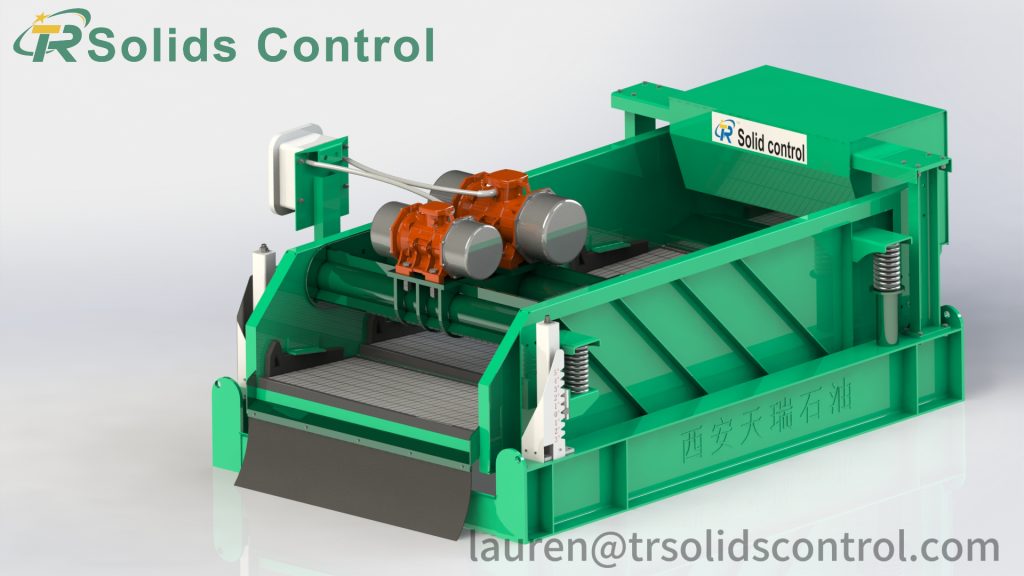
d particles are thrown off the screen and collected for disposal.
The working principle of a mud shale shaker can be broken down into several key steps:
- Feeding: Drilling mud is pumped from the wellbore onto the shaker screen. Proper flow control is critical to ensure uniform distribution and prevent overloading.
- Vibrating Mechanism: Shale shakers typically employ elliptical or linear vibration mechanisms. The elliptical motion is preferred in many modern units because it provides a balanced and efficient separation process, reducing screen blinding and increasing throughput.
- Screening: The mesh on the screen separates particles based on size. Fine particles pass through the screen as clean mud, while larger cuttings move along the screen surface to the discharge end. Screen selection is crucial: a finer mesh ensures better mud cleaning, whereas a coarser mesh increases mud recovery and reduces clogging.
- Discharge: Separated solids are discharged into a collection trough or conveyor system. Efficient discharge ensures minimal re-contamination of the drilling mud.
- Adjustable Features: Modern mud shale shakers allow for adjustments in vibration intensity, deck angle, and screen type. This adaptability ensures optimal performance under varying drilling conditions and mud types.
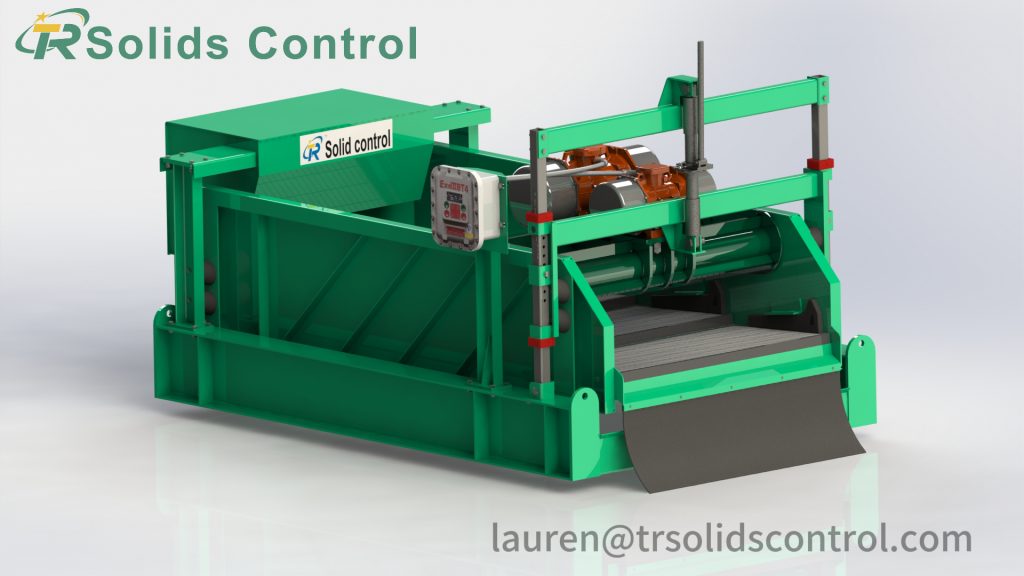
The mud shale shaker working principle is not only about mechanical separation but also about maintaining drilling fluid properties. By efficiently removing solids, shale shakers help maintain the desired mud density and viscosity, which is essential for controlling well pressure, lubricating the drill bit, and preventing formation damage.
Shale shaker efficiency depends on several factors:
- Screen Area: Larger screens increase mud processing capacity.
- Vibration Type and Frequency: Proper vibration prevents clogging and improves solids transport.
- Mud Properties: High-viscosity muds may require specialized screens or shaker settings.
- Flow Rate: Excessive flow can overwhelm the screen, reducing separation efficiency.
Elliptical Shale Shakers are especially effective in complex drilling environments. Their motion mimics an oval pattern, which promotes better stratification of solids and reduces the likelihood of screen damage. Operators often prefer elliptical shakers for high-throughput wells and abrasive drilling conditions.
In conclusion, understanding the mud shale shaker working principle is essential for effective solids control in drilling operations. By optimizing vibration settings, screen selection, and feed distribution, drilling teams can enhance mud recovery, reduce equipment wear, and maintain consistent drilling performance. Investing in high-quality shale shakers, including elliptical models, ensures long-term operational efficiency and cost savings.
Key Factors Influence Drilling Shale Shaker Performance
In oil and gas drilling solid control systems, shale shaker performance directly affects mud recovery efficiency, drilling costs, and the operation of subsequent solid control equipment. As the first process in the mud handling system, the separation capability and operational stability of the drilling shale shaker are influenced by various factors. Understanding the key factors that affect shale shaker performance helps in making informed equipment selection on-site, as well as in scientific operation and maintenance.
Vibration parameters are the core factors determining the performance of a shale shaker, mainly including:
1. Vibration type. Common types of vibrating screens include:
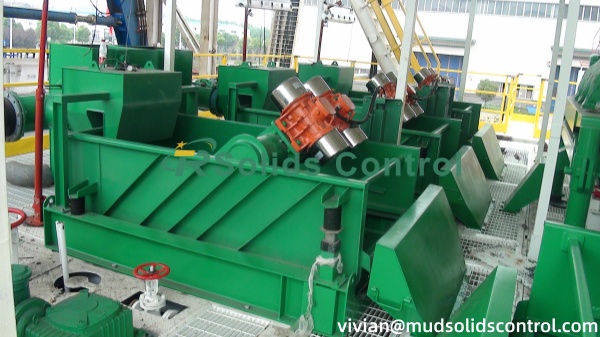
Linear vibrating screens have strong conveying capacity and processing capability, making them suitable for high-discharge drilling conditions, and they are widely used at most oilfield sites.
2. Vibration intensity (G-force). Appropriate vibration intensity helps to:
- Improve solid-liquid separation efficiency
- Accelerate the transport speed of cuttings
- Reduce screen surface blockage
In the design of shale shakers in TR solid control equipment, the vibration motor parameters are reasonably matched to ensure stable operation under different working conditions.
The screen is a component directly involved in the separation process, and its configuration significantly affects shale shaker performance.
1. Screen mesh selection: Too low a mesh count results in insufficient solid separation; too high a mesh count can easily clog the screen and reduce processing capacity. It is necessary to match it appropriately according to the properties of the drilling fluid and the drilling stage.
2. Screen structure and material: Composite frame screens are gradually becoming the mainstream choice in practical applications due to their high strength, long service life, and easy replacement. TR Solid Control equipment can provide screens in various specifications to meet the needs of different shaker models.
Impact of Operating and Installation Conditions
- 1. Vibration Screen Installation Angle: A reasonable screen box angle can improve cuttings discharge and increase screening efficiency.
- 2. Uniformity of Slurry Distribution: Uneven slurry flow can cause local screen overload, affecting the overall shale shaker performance.
- 3. Routine Maintenance: This includes checking the vibration motor, the tension of the screens, and the condition of the shock-absorbing springs. Proper maintenance helps ensure long-term stable operation of the equipment.
A reasonable selection helps improve screening efficiency and reduce operating costs.
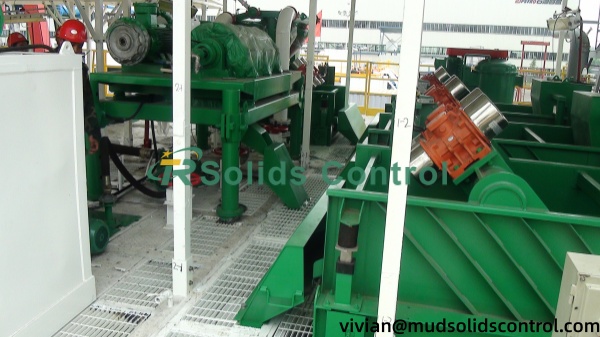
From a long-term operational perspective, a shale shaker’s structural design and manufacturing quality are fundamental to its performance. As a professional Chinese solid control equipment supplier, TR Solid Control Equipment prioritizes structural strength, durability, vibration system stability, and screen compatibility in its shale shaker manufacturing. Its shale shaker products are widely applied in oil and gas drilling and related solid control fields.
Shale shaker performance is affected by multiple factors, including vibration parameters, screen configuration, operating conditions, and equipment design. Only through proper selection, rational operation, and standardized maintenance can drilling shale shakers achieve stable and efficient separation. With scientific configuration and reliable equipment support, they will continue to play a key role in the entire drilling solids control system.