Tag Archives: Shaker Screen supplier
Shale Shaker: The Core of Efficient Solids Control
In oil and gas drilling, the shale shaker is the core of an efficient solids control system, performing the critical function of separating large solid particles from drilling fluid and supplying clean liquid to downstream mud treatment equipment. As the indispensable first line of defense in the solids control workflow, it safeguards drilling fluid quality, boosts operational efficiency, and cuts costs.
A professional solids control equipment manufacturer, TR Solids Control offers a full range of shale shakers—including linear and elliptical models—to meet the demands of diverse drilling projects. With precision engineering and stable performance, TR shale shakers deliver high-efficiency solid-liquid separation, providing dependable support for oil and gas drilling operations.
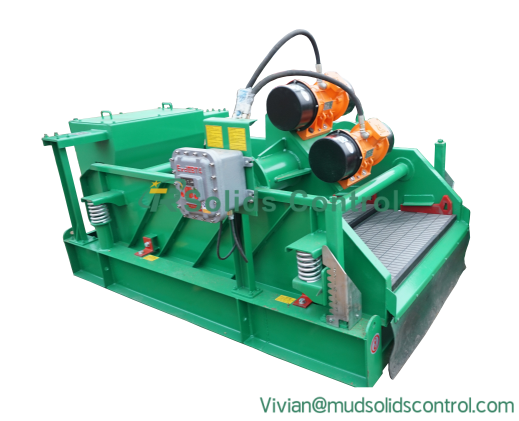
Shale shakers are the first equipment in a solids control system, primarily used for primary solid-liquid separation of drilling fluid. Their working principle is that a vibration motor generates vibrations, allowing drilling fluid to pass through the screen and separating out large solid particles. Their main functions include:
- Improving solids control efficiency: The Shale Shaker efficiently removes cuttings and solid particles from the drilling fluid, reducing the treatment load of subsequent equipment.
- Extending the lifespan of the mud: By effectively separating solid materials, the Shale Shaker can reduce drilling fluid consumption and improve the recycling efficiency of the mud.
- Optimizing downstream processing: The cleaned liquid phase enters downstream equipment, such as desanders and centrifuges, ensuring smooth subsequent processing.
The Shale Shaker provided by TR Solid Control Equipment performs excellently in drilling solid control systems. Here are several prominent advantages of TR Solid Control Equipment:
- High Stability: The Shale Shaker of TR Solid Control Equipment is designed with a focus on stability, ensuring continuous operation in high-intensity working environments.
- Efficient Separation: Whether it is a linear vibrating screen or an elliptical vibrating screen, the Shale Shaker from TR Solid Control Equipment can efficiently separate large solid particles from drilling fluid, ensuring stable mud performance.
- Long Service Life: The Shale Shaker of TR Solid Control Equipment is equipped with wear-resistant screens, capable of operating stably over a long period under high-intensity drilling operations.
- Strong Adaptability: TR Solid Control Equipment offers various models of Shale Shakers to meet different working conditions according to different drilling fluid characteristics and drilling environments.
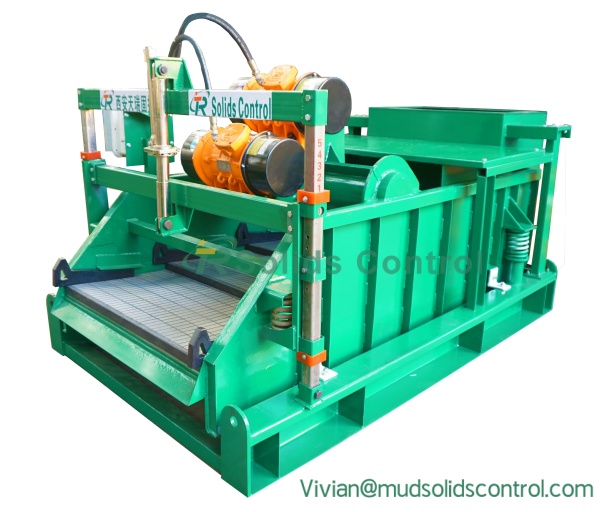
The application of Shale Shakers in the oil and gas industry is very extensive, including but not limited to the following areas:
- Conventional oil and gas drilling: Shale Shakers are essential equipment in traditional drilling operations.
- Shale gas drilling: Shale Shakers can efficiently separate solid particles from drilling fluids, maintain fluid properties, and adapt to complex shale gas drilling operations.
- Deepwater drilling: TR solid control equipment’s Shale Shakers can operate stably in high-pressure, high-flow deepwater drilling environments, ensuring efficient circulation of drilling fluids.
The shale shaker is an indispensable core component of drilling solid control systems. It efficiently separates solids from drilling fluid, delivering a stable liquid supply for downstream mud treatment equipment. TR Solids Control provides high-efficiency, stable shale shaker products that are widely used in oil and gas drilling operations globally, offering customers reliable solid control solutions.
Different types of Shale Shakers | How Does it Work
In oil and gas drilling and mud solid control systems, the shale shaker plays a crucial role. It is the first step in the solid separation system, responsible for separating large rock cuttings or solid materials from the drilling fluid to ensure that the mud can be repeatedly recirculated, thereby improving the efficiency and cost-effectiveness of drilling operations.
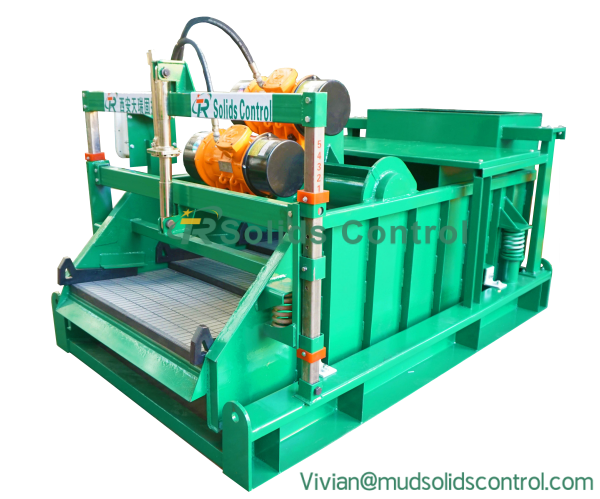
In the process of oil and gas drilling, the commonly used types of shale shakers mainly include the following:
- Linear Motion Shale Shaker: use a linear movement, generating strong vibrations through dual vibration motors, which can effectively separate large solid particles in the drilling fluid. This type of shaker is suitable for handling drilling fluids with high flow rates and can efficiently discharge solid particles.
- Balanced Elliptical Motion Shale Shaker: use an elliptical movement. This motion ensures a smoother screening process and reduces wear on the equipment. It is suitable for handling finer drilling fluids and can achieve higher separation efficiency.
- Dual-Deck Shale Shaker: have two layers of screens, allowing them to process more drilling fluid simultaneously. They are suitable for drilling operations that require high-capacity handling. They can improve mud handling capacity while maintaining efficient solid separation.
The working principle of shale shaker is essentially to drive screen vibration via a vibratory motor, creating intense motion that propels solid particles in drilling fluid along the screen surface for discharge. During this process, liquid components (e.g., mud) pass through the screen mesh, while larger solids are trapped and removed. The key steps are:
- Drilling fluid flows from the feed box onto the shale shaker; liquid seeps through into the collection tank, and solids remain on the surface.
- The vibratory motor drives linear or elliptical screen motion, pushing solids forward.
- Screened liquid is collected for recycling, and solid particles are discharged as waste.
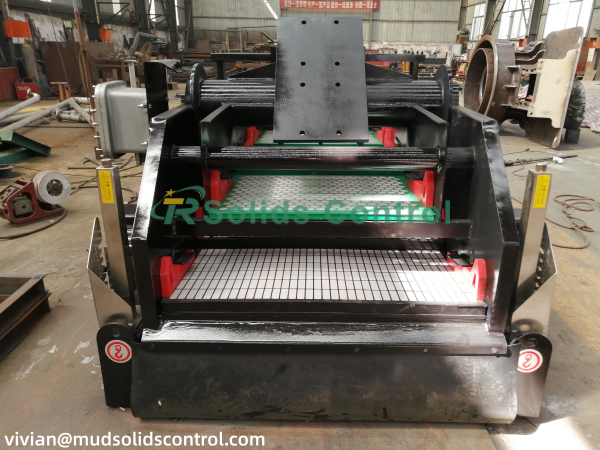
TR solid control offers various types of shale shakers, each carefully designed to meet the solid separation needs in different drilling environments. TR’s shale shakers have the following advantages:
- High-efficiency solid separation: Whether it’s a linear shale shaker or an elliptical shale shaker, they can efficiently separate solid particles from drilling fluid in a short time, ensuring the recycling rate of the mud.
- Durable screen material: The shale shakers provided by TR use wear-resistant composite material screens, capable of withstanding the high-intensity drilling work environment and extending the equipment’s service life.
- Stable vibration system: TR’s vibration motor and vibration system design ensure stable operation of the equipment, reducing maintenance costs and downtime caused by excessive wear.
- Modular design: TR solid control equipment shale shakers can be integrated with other solid control equipment such as centrifuges and mud cleaner, providing an integrated solution.
The shale shaker plays a crucial role in the solid control system of the oil and gas industry. It not only helps improve the quality of drilling fluid but also reduces mud waste and lowers drilling costs. In addition, the high-efficiency separation capability of the shale shaker can effectively protect subsequent solid control equipment (such as centrifuges and mud cleaner), extending the service life of the equipment.
TR Solid Control provides efficient and stable shale shaker solutions, helping companies improve drilling efficiency, reduce costs, and protect the environment. Choosing the right type of shale shaker and equipment will greatly enhance the operational efficiency of oil and gas drilling.
Shale Shaker Applications in Oil and Gas Industry
Shale shakers are key components of drilling solids control systems. As drilling equipment, they are mainly used for solid-liquid separation of drilling mud in oil and gas drilling processes—separating cuttings and recovering reusable drilling fluid to ensure continuous, stable drilling operations. In modern oil and gas drilling engineering, proper use of shale shakers has become a crucial way to improve the operational efficiency of solids control systems.
In oil and gas drilling operations, drilling mud carries a large amount of cuttings back to the surface. As a primary solid control device, the shale shaker mainly performs the following tasks:
- – Separates large solid particles from the drilling fluid
- – Reduces the workload of subsequent desanders and desilters
- – Minimizes mud loss and improves recycling efficiency
- – Helps stabilize mud properties and protect drilling equipment
With a smoothly operating shale shaker system, the mud system at an oil and gas drilling site can be kept clean and balanced.
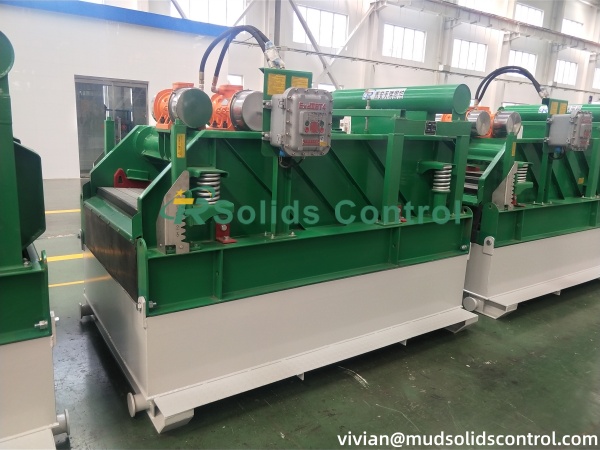
The application of shale shakers in the oil and gas industry covers multiple operational scenarios:
- Onshore oil and gas drilling – Shale shakers are used in conventional oil and gas wells, shale gas wells, and other drilling operations, adapting to drilling fluids of different densities and flow rates.
- Offshore drilling platforms – Shale shakers feature a compact structure and stable operation, making them suitable for offshore drilling environments with limited space.
- Unconventional energy development – During shale oil and shale gas drilling, there is a higher requirement for fine particle separation, and the shaker screen configurations are more flexible.
In practical oil and gas industry applications, the operational performance of a Shale Shaker is affected by various factors:
- – Vibration mode (linear motion, elliptical motion)
- – Selection of screen mesh size and material
- – Configuration of the vibrating motor’s excitation force
- – Drilling mud flow rate and viscosity
- – Equipment installation angle and maintenance condition
Proper selection and standardized operation help to maximize the value of the shaker in oil and gas drilling applications.
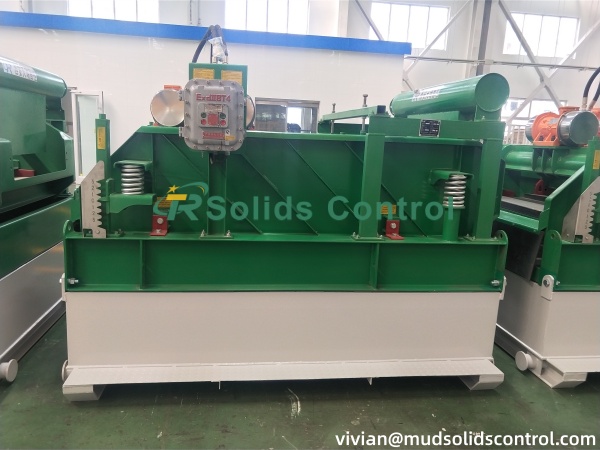
As a professional solid control equipment supplier in China, TR Solid Control has long provided shale shakers and supporting solutions for oil and gas drilling projects. TR’s Shale Shaker products focus on:
- – Stable vibration system structure
- – Compatibility with multiple screen specifications
- – Convenient screen replacement methods
- – Operation adaptability for different working conditions
TR Solid Control has been widely used in oil and gas drilling and mud treatment systems, helping customers achieve stable and efficient solid control operations.
With the continuous development of oil and gas drilling technology, the application of Shale Shakers in the oil and gas industry is also showing new trends:
- – Shaker designs with higher processing capacity
- – More wear-resistant screens with longer service life
- – Equipment solutions that focus more on energy saving and environmental protection
- – Collaborative application with automated solids control systems
These trends are driving the continuous optimization and upgrading of shaker applications in the oil and gas industry.
Overall, the application of shale shakers in the oil and gas industry is of great significance for drilling mud treatment and the operation of solids control systems. By reasonably selecting shaker equipment and applying it according to actual working conditions, oil and gas drilling projects can achieve more stable mud circulation and more efficient solids control management. TR solids control equipment will continue to provide reliable shale shakers and supporting solutions for the oil and gas industry.
Shale Shaker – Efficient Mud Control Solutions
The Shale Shaker is the core link in the oil and gas drilling mud processing system. It is mainly used to screen and separate cuttings and solid particles in the drilling fluid. Through reasonable vibration parameters and screen configuration, the Shale Shaker can improve the recycling rate of drilling fluid and reduce the overall drilling cost while ensuring stable mud performance.
In actual drilling operations, the mud first enters the shale shaker system after returning from the wellhead. The Shale Shaker uses the excitation force generated by the vibration motor to cause the mud to form continuous motion on the screen. The liquid phase enters the mud tank through the screen, while the solid phase particles are transported to the slag discharge port to achieve primary solid-liquid separation.

The Shale Shaker operates based on the vibrating screening principle and mainly includes the following aspects:
- Vibration system: dual vibration motors operate synchronously to form a stable vibration trajectory
- Screen system: Screens with different mesh sizes are suitable for various drilling conditions
- Screen box structure: Reasonable angle design facilitates cuttings transportation and deliquification
- Shock absorbing device: Reduce the impact of equipment operation on the infrastructure
Through these structures working together, the Shale Shaker can continuously and stably complete the primary purification of drilling fluids.
In drilling operations, the use of Shale Shake can bring practical value in many aspects:
- Improve solid control efficiency: separate large solid particles in a timely manner to reduce the burden on subsequent equipment
- Protect drilling fluid performance: reduce mud pollution and facilitate well wall stability
- Reduce operating costs: extend the life of drilling fluids and downstream solids control equipment
- Adaptable to a variety of working conditions: can be used in oil and gas drilling, directional drilling, geothermal drilling and other scenarios

As one of China’s professional solids control equipment suppliers, TR solids control equipment has long been focused on the development and application of Shale Shaker. The drilling shale shakers produced by TR Solid Control Equipment focus on on-site adaptability in terms of structural design, vibration system configuration and screen compatibility, and can be configured and adjusted according to different drilling fluid performance and processing capacity requirements.
In multiple oil and gas drilling projects, the Shale Shaker mud control solution provided by TR Solid Control Equipment has been successfully used in the mud solid-liquid separation process, providing reliable support for the continuity and stability of drilling operations.
Overall, the Shale Shaker mud control solution plays a basic and key role in the drilling solids control system. Through reasonable selection, standardized installation and scientific maintenance, shale shaker equipment can continue to provide stable mud purification effects for drilling operations. Combined with the engineering experience of TR solids control equipment, Shale Shaker mud control solutions are constantly meeting the actual needs of diverse drilling conditions.
Shale Shaker: Core Support for Drilling Solids Control
In drilling operations, the core supportive role of the Shale Shaker in the drilling solids control system has been increasingly recognized. As the first processing equipment in the solids control system, the Shale Shaker is primarily used for the primary separation of cuttings and solid particles from the drilling fluid, providing stable and controllable operating conditions for subsequent solids control equipment, and is an important component for ensuring the reuse of drilling fluid and drilling efficiency.
Shale Shaker, also known as mud shale shaker, its main functions include:
- Remove larger solid particles from drilling fluids
- Reduce sand content in drilling fluid
- Reduce the load on subsequent equipment such as mud cleaner and centrifuges
- Improve drilling fluid reuse rate
In the entire drilling solid control process, the operating status of the Shale Shaker directly affects the overall separation effect of the system, so it is regarded as the basic support equipment of the solid control system.
The brief overview of the working principle of a Shale Shaker. Shale Shaker uses the excitation force generated by the vibration motor to cause the screen box to drive the screen mesh to vibrate regularly:
- Drilling fluid is evenly distributed to the screen surface through the feed box
- The liquid phase enters the mud tank through the screen
- Solid particles are transported forward and discharged under the action of vibration
- Complete solid-liquid primary separation
Screen mesh number, vibration intensity and screen box angle are important factors affecting the separation effect.
Shale Shaker core supporting value in solids control systems
- Stable solids control system operation: shale shaker provides cleaner and more stable mud conditions for subsequent equipment and avoids overloading the system.
- Control drilling costs: helps control overall drilling operating costs by reducing mud losses and equipment wear.
- Improve the continuity of drilling operations: stable screening performance can reduce unplanned shutdowns and improve construction efficiency.
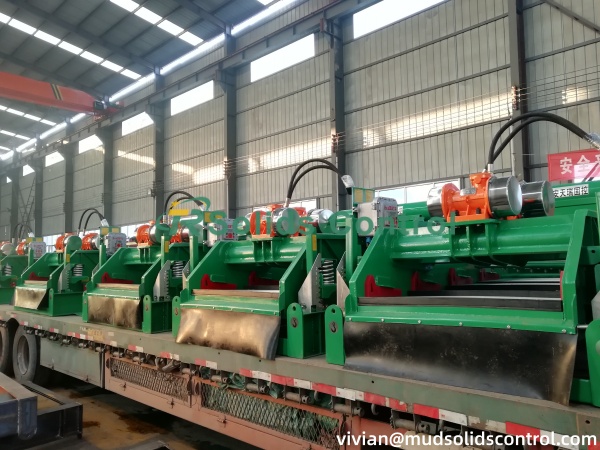
As one of the professional solid control equipment suppliers in China, TR Solid Control Equipment has accumulated rich experience in Shale Shaker design and manufacturing:
- Reasonable structural design, suitable for different drilling conditions
- Supports a variety of screen specifications for easy on-site adjustment
- Stable operation, easy maintenance and screen replacement
- Can be well matched with the entire solid control system
The Shale Shaker provided by TR Solids Control Equipment is widely used in oil and gas drilling, directional drilling, environmentally friendly mud treatment and other fields.
Overall, the core supporting role of shale shaker in the drilling solids control system is reflected in the stability of the solids control process, separation efficiency and cost control. Through reasonable selection and standardized use, Shale Shaker can effectively improve the overall performance of the drilling solids control system. Combined with the mature product solutions of TR solid control equipment, it can provide more stable and reliable solid control support for drilling projects.
Key Factors Influence Drilling Shale Shaker Performance
In oil and gas drilling solid control systems, shale shaker performance directly affects mud recovery efficiency, drilling costs, and the operation of subsequent solid control equipment. As the first process in the mud handling system, the separation capability and operational stability of the drilling shale shaker are influenced by various factors. Understanding the key factors that affect shale shaker performance helps in making informed equipment selection on-site, as well as in scientific operation and maintenance.
Vibration parameters are the core factors determining the performance of a shale shaker, mainly including:
1. Vibration type. Common types of vibrating screens include:
Linear vibrating screens have strong conveying capacity and processing capability, making them suitable for high-discharge drilling conditions, and they are widely used at most oilfield sites.
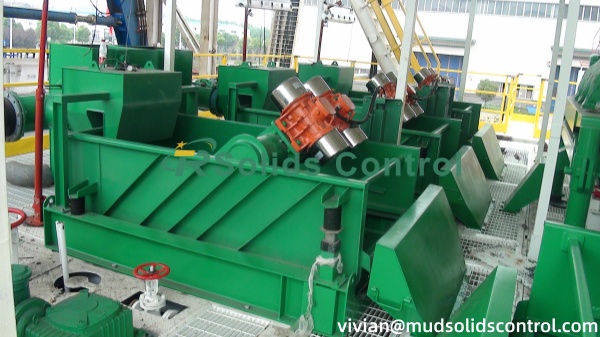
2. Vibration intensity (G-force). Appropriate vibration intensity helps to:
- Improve solid-liquid separation efficiency
- Accelerate the transport speed of cuttings
- Reduce screen surface blockage
In the design of shale shakers in TR solid control equipment, the vibration motor parameters are reasonably matched to ensure stable operation under different working conditions.
The screen is a component directly involved in the separation process, and its configuration significantly affects shale shaker performance.
1. Screen mesh selection: Too low a mesh count results in insufficient solid separation; too high a mesh count can easily clog the screen and reduce processing capacity. It is necessary to match it appropriately according to the properties of the drilling fluid and the drilling stage.
2. Screen structure and material: Composite frame screens are gradually becoming the mainstream choice in practical applications due to their high strength, long service life, and easy replacement. TR Solid Control equipment can provide screens in various specifications to meet the needs of different shaker models.
Impact of Operating and Installation Conditions
- 1. Vibration Screen Installation Angle: A reasonable screen box angle can improve cuttings discharge and increase screening efficiency.
- 2. Uniformity of Slurry Distribution: Uneven slurry flow can cause local screen overload, affecting the overall shale shaker performance.
- 3. Routine Maintenance: This includes checking the vibration motor, the tension of the screens, and the condition of the shock-absorbing springs. Proper maintenance helps ensure long-term stable operation of the equipment.
A reasonable selection helps improve screening efficiency and reduce operating costs.
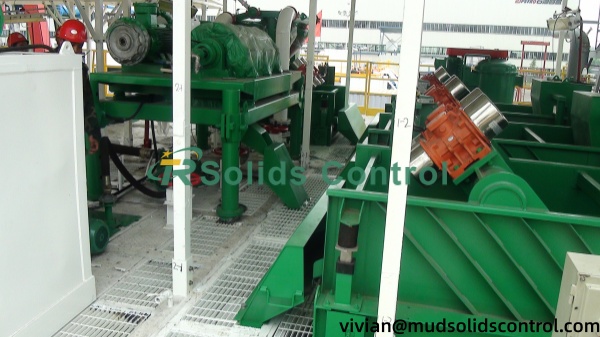
From a long-term operational perspective, a shale shaker’s structural design and manufacturing quality are fundamental to its performance. As a professional Chinese solid control equipment supplier, TR Solid Control Equipment prioritizes structural strength, durability, vibration system stability, and screen compatibility in its shale shaker manufacturing. Its shale shaker products are widely applied in oil and gas drilling and related solid control fields.
Shale shaker performance is affected by multiple factors, including vibration parameters, screen configuration, operating conditions, and equipment design. Only through proper selection, rational operation, and standardized maintenance can drilling shale shakers achieve stable and efficient separation. With scientific configuration and reliable equipment support, they will continue to play a key role in the entire drilling solids control system.
Shale Shaker Benefits in Drilling Applications
In oil and gas drilling, shale shakers are indispensable solid control devices that directly impact drilling mud purification and overall construction progress. As the first solid control barrier, they use optimized vibration frequencies and screen designs to efficiently separate cuttings, sand, and other solid particles from drilling mud—ensuring stable circulating mud performance and laying the foundation for smooth drilling. Suitable for onshore and offshore operations alike, shale shakers reduce equipment wear from solids, minimize mud waste, boost drilling fluid recycling rates, and meet the oil and gas industry’s dual demands for efficiency and cost control.
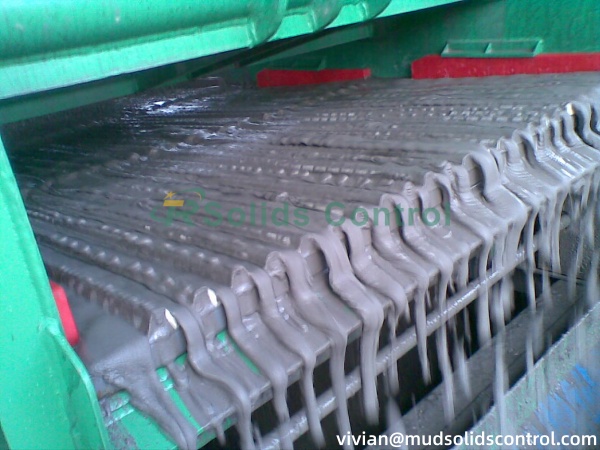
1.Optimise drilling mud performance to ensure drilling safety
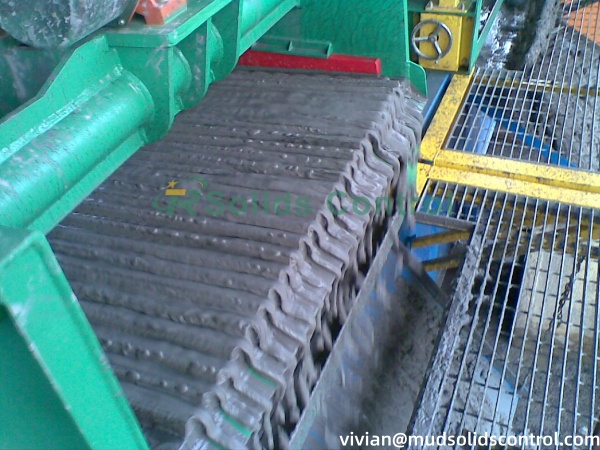
A core function of shale shakers is rapid drilling mud purification: after mud carries cuttings to the surface, shale shakers promptly separate solid impurities, preventing abnormal viscosity/density that risks wellbore collapse or stuck drill pipe. High-quality models adjust vibration parameters to mud characteristics and cuttings size, ensuring efficient solid-liquid separation, preserving mud’s lubrication, cooling, and sand-carrying capabilities, and indirectly extending drilling equipment lifespan by maintaining optimal working conditions for drill bits and strings.
2. Reduce construction costs and improve resource utilisation
In oil and gas drilling, drilling mud materials and equipment maintenance represent significant costs. Shale shakers efficiently separate solid particles, enabling purified mud to be reused in the circulation system—greatly reducing the need for new mud and lowering material consumption costs. Additionally, they minimize wear on key equipment, reducing failure and maintenance frequency, and effectively controlling drilling costs through both material and maintenance savings.
3. Adapt to complex drilling scenarios and enhance operational stability
Oil and gas fields feature diverse geological conditions, with varying cuttings characteristics and mud types. High-quality shale shakers offer strong adaptability: interchangeable screens of different apertures, plus adjustable vibration amplitude and frequency, enable them to meet solid-liquid separation needs across geological conditions. Whether drilling in complex formations or operating in high-temperature, high-pressure environments, they deliver consistent separation performance, ensuring drilling continuity and minimizing interruptions from inadequate solid control.
4.Supporting environmental compliance and reducing environmental impact
During oil and gas drilling, improperly disposed waste mud can pollute surrounding soil and water. Shale shakers efficiently separate solid particles, allowing purified mud to be recycled, thereby reducing waste mud discharge; meanwhile, the separated cuttings can be dried and further recycled or properly disposed of, minimizing the negative environmental impact of drilling operations, supporting drilling projects to meet environmental regulations, and achieving green drilling.
Amid the oil and gas drilling industry’s focus on efficiency, safety, and environmental protection, shale shakers are growing in application value. Selecting highly adaptable, efficient shale shakers enhances solids control to keep drilling operations on track, while also driving more value for projects through cost control and environmental compliance. As drilling technology advances, shale shakers will continue to evolve toward intelligence, efficiency, and eco-friendliness, supporting the industry’s high-quality development.
Linear Shale Shaker: Applications and Core Features
The Linear Motion Shale Shaker is a commonly used type of vibrating screen in oil drilling solids control systems, mainly used for the primary separation of solid particles in drilling fluid. Through linear vibration, the equipment can achieve stable screening performance under large processing capacities and is widely used in oil and gas drilling, mud treatment, and related engineering fields.
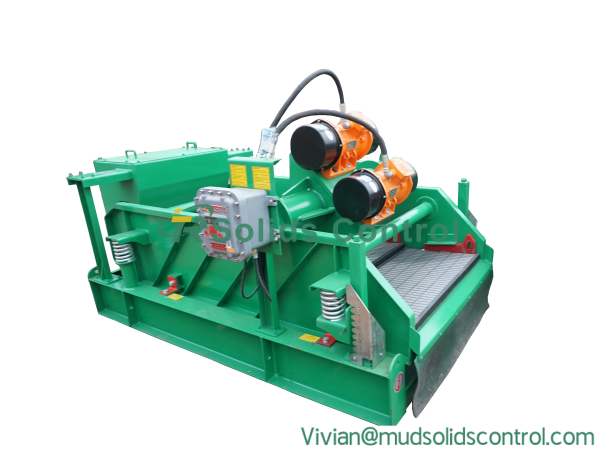
The Linear Motion Shale Shaker is a mud vibrating screen that adopts a linear vibration trajectory. Driven by two synchronously counter-rotating vibration motors, its screen box moves linearly, pushing drilling cuttings forward while enabling liquid to pass through the screen smoothly. With a robust structure and uniform force distribution, it is ideal for high-flow, high-solid-content drilling mud.
The working process of a Linear Motion Shale Shaker mainly includes the following steps:
– Drilling fluid flows from the stock tank into the shaker basket.
– The vibrating motor generates a linear excitation force.
– The mud moves forward on the screen surface.
– The liquid phase passes through the screen into the lower mud tank.
Solid particles move along the screen surface and are discharged through the cuttings outlet.
This working principle helps improve screening efficiency while reducing the likelihood of screen clogging.
Linear Motion Shale Shakers typically have the following structural features:
– Linear vibration pattern with stable conveying capacity
– Adjustable excitation force to adapt to different working conditions
– Multi-layer screen structure for easy graded screening
– Modular design for convenient maintenance and replacement
This type of shaker demonstrates good adaptability in the treatment of high-density, high-viscosity drilling fluids.
In oilfield drilling operations, the Linear Motion Shale Shaker, as the first piece of equipment in the solids control system, mainly serves to:
– Remove large drill cuttings from the drilling fluid
– Reduce the load on subsequent desanders and desilters
– Improve the circulation performance of the drilling fluid
– Reduce the cost of drilling fluid treatment and disposal
This equipment is suitable for land drilling, offshore platforms, and various types of mud circulation systems.
The Linear Motion Shale Shaker plays an important role in the solid control field of oil drilling due to its stable linear vibration mode and good handling capacity. With proper configuration and standard use, this equipment can effectively improve the purification level of drilling fluid and ensure the continuity and safety of drilling operations.
As a mature solids control equipment supplier in China, TR Solids Control has accumulated extensive experience in the design and manufacture of Linear Motion Shale Shakers. Its products focus on structural stability, vibration system compatibility, and screen mesh compatibility, and can provide customized configuration solutions based on customer operating conditions to meet the needs of different drilling projects.
Drilling Shale Shaker: Applications and Value in Oil-Gas Solids Control
In the process of oil and gas exploration and development, the Drilling Shale Shaker is one of the core pieces of equipment in the drilling solids control system, mainly used for the primary solid-liquid separation of drilling fluid. Through high-frequency vibration and screen filtration, the shaker can effectively separate cuttings and maintain the stability of the drilling fluid.
The Drilling Shale Shaker provided by TR Solids Control is widely used in various types of drilling projects due to its reasonable structural design, stable operation, and adaptability to different working conditions.
Basic working principle of a Shale Shaker: Regular vibrations are generated by a vibrating motor, causing the drilling fluid to form a flow path on the screen surface: drilling fluid passes smoothly through the screen for recovery; solid particles are retained and quickly discharged; reduces the sand content in the drilling fluid; improves the operating conditions of subsequent solids control equipment.
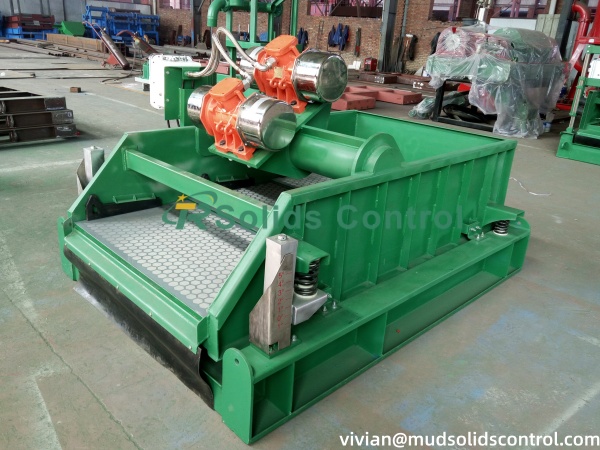
TR Solids Control in the design and application of Drilling Shale Shakers, focuses on equipment stability and practicality, mainly reflected in:
– Multiple mesh configurations to adapt to different drilling fluid systems
– Dual motors or linear vibration structures to ensure screening efficiency
– Adjustable screen box angles to meet different flow and viscosity requirements
– Modular structural design for easy on-site maintenance and replacement
Application Scenarios of Drilling Shale Shaker in Drilling Solid Control Systems
Onshore oil and gas drilling projects
Offshore platform drilling projects
Directional and horizontal well operations
High-circulation drilling fluid handling systems
By properly configuring the Drilling Shale Shaker, the overall efficiency of the solid control system can be effectively improved.
How to Choose the Right Drilling Shale Shaker?
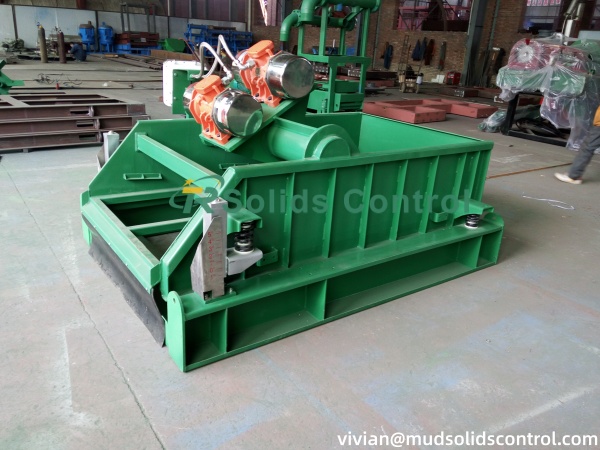
When selecting a model, you can focus on the following factors:
– Drilling fluid handling capacity and flow requirements
– Screen size and ease of replacement
– Vibration type and excitation force parameters
– Stability of continuous equipment operation
– Manufacturer’s technical support and service capabilities
TR solid control equipment can provide various models of Drilling Shale Shakers according to different drilling conditions, meeting the diverse needs of projects.
As an important component of the drilling solid control system, the Drilling Shale Shaker plays a crucial role in ensuring the quality of drilling fluid, reducing equipment load, and improving operational efficiency. With the application experience of TR solid control equipment, it can provide more stable and sustainable solid control solutions for oil and gas drilling projects.
Shale Shaker: Core Role in Drilling Solid Control Operations
In the current oilfield solid control process, the shale shaker is a key fundamental equipment of the solid control system. It separates the solid particles in the drilling fluid, improves the quality of the circulating fluid and ensures the drilling efficiency. As one of the domestic enterprises providing solid control equipment, TR solid control equipment demonstrates stable performance in practical applications due to its robust structure, high adaptability in processing capacity, and convenient maintenance.
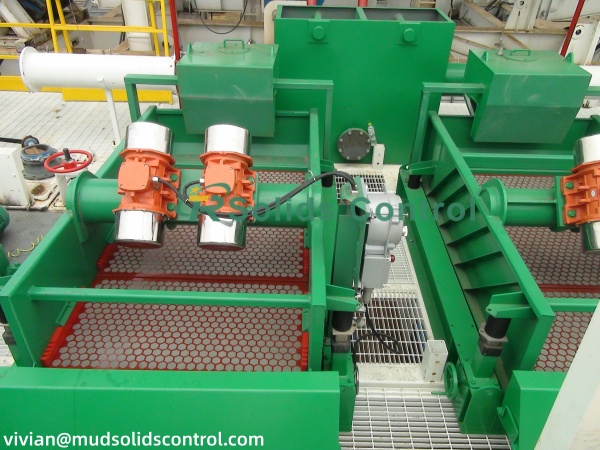
The main functions of the Shale Shaker:
- Solid-liquid separation. The vibrating screen separates the drilling fluid from the rock debris through the vibration generated by the excitation motor, improving the cleanliness of the mud.
- Protecting the subsequent equipment, reducing the wear of subsequent equipment such as cyclones, mud cleaners, and centrifuges, and extending their service life.
- Increasing the drilling speed, by improving the quality of the drilling fluid, maintaining the stability of the wellbore, thereby enhancing the overall drilling efficiency.
- Reducing drilling costs, reusing the clean mud, and reducing the consumption and treatment costs of the mud.
The Shale Shaker provided by TR Solid Control has the following design advantages:
- Multi-layer composite screen structure: Improves screening accuracy and durability.
- Dual-motor vibration system: Maintains high-efficiency amplitude, facilitating rapid solid discharge.
- Adjustable screen box angle design: Suitable for different mud densities and working conditions.
- Modular structure: Facilitates maintenance and replacement of the screen mesh, enhancing the flexibility of use.
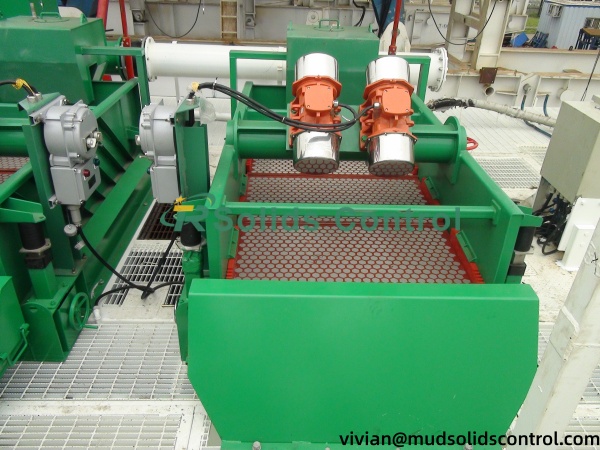
The application value of Shale Shaker in oilfield drilling is applicable to both onshore and offshore drilling solid control systems. It meets the mud treatment requirements of different depth drilling projects. It ensures the stability of drilling fluid performance. Improve the efficiency of continuous operations.
When choosing a shale shaker, the following aspects should be considered: processing capacity requirements; screen size and compatibility; excitation force and vibration mode; ease of maintenance; equipment stability and after-sales support. TR Solids Control and control equipment offers a range of oilfield vibrating screens. These can be customized according to specific conditions to meet the needs of different drilling teams.
The Shale Shaker is a key equipment for the stable operation of the solid control system. Combined with the application of TR solid control products, it can further improve the quality of the drilling fluid circulation, reduce equipment wear and tear, and enhance the overall drilling efficiency. Reasonable selection and configuration of the vibrating screen is of great significance for oilfield engineering.