Tag Archives: Shaker Screen supplier
Shale Shaker – Professional Drilling Mud Equipment
As a specialized mud handling equipment in the oil and gas drilling industry, the Shale Shaker plays a fundamental and key role in the solids control system. TR Solids Control focuses on the research, development, and manufacturing of high-performance Shale Shakers, using mature processes and stable configurations to ensure that the shale shaker delivers stable purification and separation performance at various drilling sites.
During drilling operations, the mud returning from the wellbore carries cuttings, sand, and solid impurities that must be purified before reuse. As key drilling mud equipment, the shale shaker uses high-frequency vibration to rapidly separate mud from solid particles—effectively removing large impurities and reducing the load on downstream desanders, desilters, and centrifuges. This makes it essential for maintaining mud performance and improving drilling efficiency.
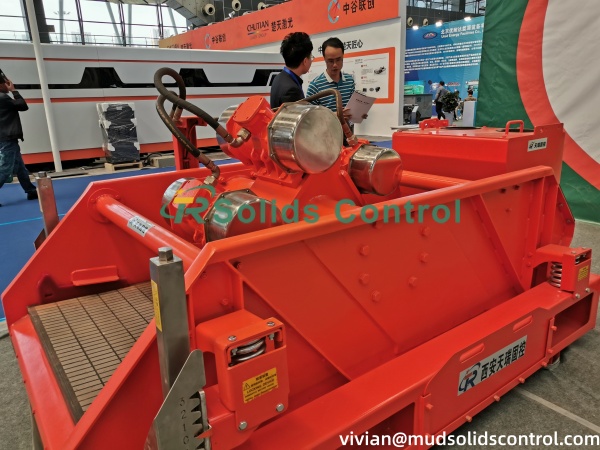
TR Solid Control has systematically optimized its shale shakers to meet the demands of real drilling environments.
The unit features a high-strength welded screen box for rugged durability and long-term continuous operation. The vibration system employs dual-motor self-synchronization technology, delivering a stable vibration trajectory and adjustable excitation force. This allows the shaker to effectively handle drilling muds of varying viscosities and flow rates, reducing screen clogging and significantly improving separation efficiency.
The TR solids control shale shaker features a modular design for easy installation and simplified maintenance. Screen changes are fast and efficient, helping to reduce on-site downtime and improve overall operational continuity.
The equipment is also reinforced against corrosion, dust, and moisture, making it well-suited for challenging environments such as open fields, saline-alkaline areas, and humid conditions—ensuring reliable, long-term performance.
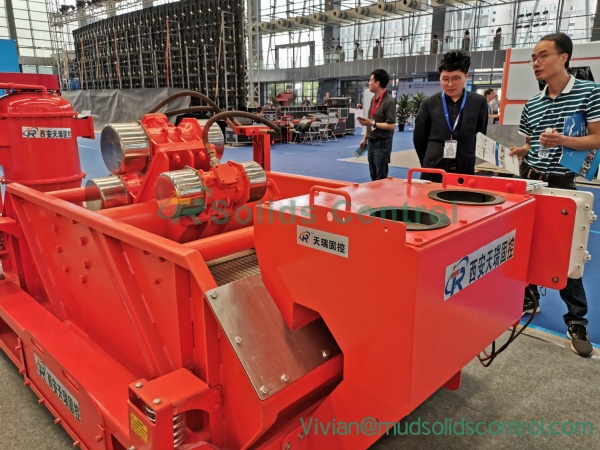
TR Solid Control offers customized shale shaker solutions to meet diverse project requirements. These shakers integrate seamlessly with mud tanks and complete solids control systems, forming an efficient purification process that enhances mud recovery and reduces overall drilling costs.
As professional drilling mud equipment, the quality of shale shakers directly impacts operational stability and economic performance. TR Solid Control remains deeply focused on the solids control industry, continuously improving product performance and delivering reliable, high-efficiency shakers and comprehensive solutions to drilling clients worldwide.
Shale Shakers for Efficient Drilling Operations
Shale shakers directly impact drilling continuity and cost-efficiency, making them essential in modern solids control systems. TR Solid Control specializes in developing high-performance shakers that improve drilling efficiency, extend equipment life, and reduce on-site failures through reliable design and stable operation.
During drilling, returning fluid carries cuttings and solids that must be removed. Without effective separation, fluid performance drops, tools wear faster, and downhole risks increase.
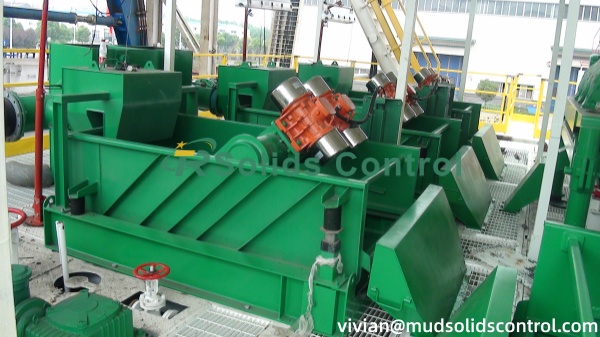
Shale shakers use high‑frequency vibration to quickly separate solids from liquid. Large cuttings are discharged, while clean fluid is recycled—helping maintain drilling speed and operational stability.
TR solid control shale shakers are designed for real oilfield conditions, offering key practical advantages: A high-strength welded screen box ensures durability for continuous operation. The smooth‑running vibration system delivers moderate, adjustable excitation force—handling varying flow rates and fluid viscosities while reducing screen blockage and boosting screening efficiency.
The TR drilling control shale shakers feature a quick‑release screen design for easy replacement and maintenance, helping to reduce on‑site downtime and improve overall operational efficiency. Built with reinforced corrosion, dust, and water resistance, they are well‑suited for harsh environments—including fields, saline‑alkali areas, and humid conditions—ensuring long‑term, stable performance.
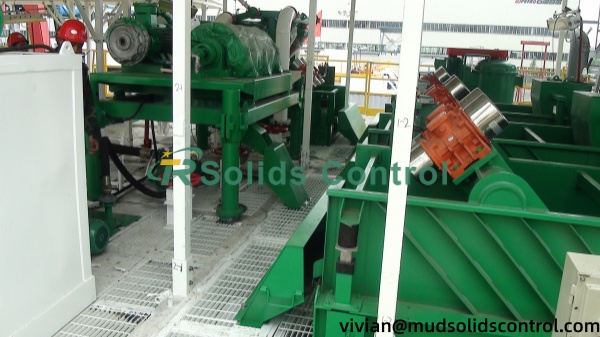
To further enhance drilling efficiency, TR Solid Control offers customized shale shaker solutions tailored to your wellsite conditions, drilling depth, and processing capacity. These shakers can be fully integrated with desanders, desilters, centrifuges, and other equipment to form a complete drilling fluid solids control system. This enables multi-stage purification and continuous processing—making drilling operations smoother, more efficient, and more economical.
As the drilling industry moves toward higher efficiency, safety, and environmental responsibility, choosing a reliable shale shaker manufacturer and equipment becomes increasingly important.
TR Solid Control Equipment continues to focus deeply on the solids control field, constantly improving product performance and service systems. With stable, high‑quality shale shakers, we support a wide range of drilling operations—helping users achieve greater efficiency and lower costs on site.
Shale Shaker for Oilfield Drilling
Oilfield drilling shale shakers are the core front-end solid control equipment that ensure the normal operation of oilfield drilling, playing a key role in drilling fluid treatment and cuttings separation. As a professional solid control equipment manufacturer, TR Solid Control has long been committed to the research, production, and optimization of shale shakers for oilfield drilling. Its products can adapt to various oilfield drilling conditions, improve drilling fluid recycling efficiency, and reduce overall drilling costs.
In oilfield drilling, returning fluid contains solid particles like cuttings and sand. Without prompt treatment, fluid performance degrades, tools wear faster, and downhole safety may be compromised. The oilfield drilling shaker, as the first purification unit in the solids‑control system, uses high‑frequency vibration for rapid liquid‑solid separation. It discharges large cuttings and sends the cleaned fluid downstream—making it an indispensable part of the process.
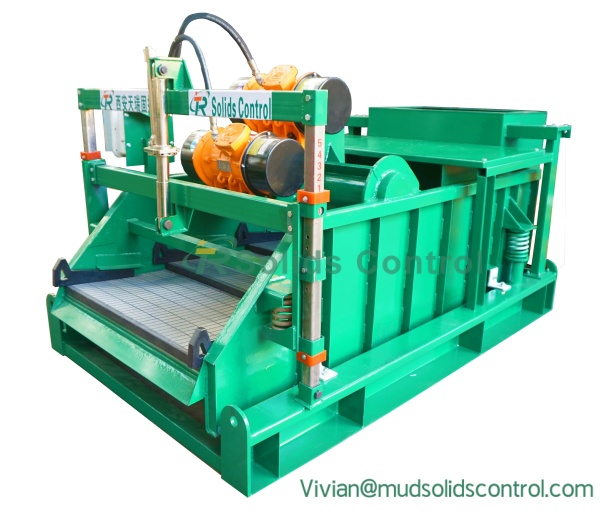
TR Solid Control shale shakers are engineered for demanding oilfield conditions. The high‑strength, welded structure ensures long‑term stability in saline, alkaline, and high‑humidity environments. The vibration system uses dual‑motor self‑synchronization for a stable, adjustable excitation force. This allows the shaker to efficiently process both high‑volume, low‑viscosity fluids and high‑solids, high‑viscosity muds with consistent screening performance.
To meet the needs of on-site use in oilfields, the TR Solid Control oilfield drilling shaker is equipped with wear-resistant and corrosion-resistant screens, which are easy to replace and maintain, effectively reducing downtime. At the same time, the overall layout of the equipment is compact, making transportation and installation convenient, suitable for the operational characteristics of frequent relocation of oilfield well sites.
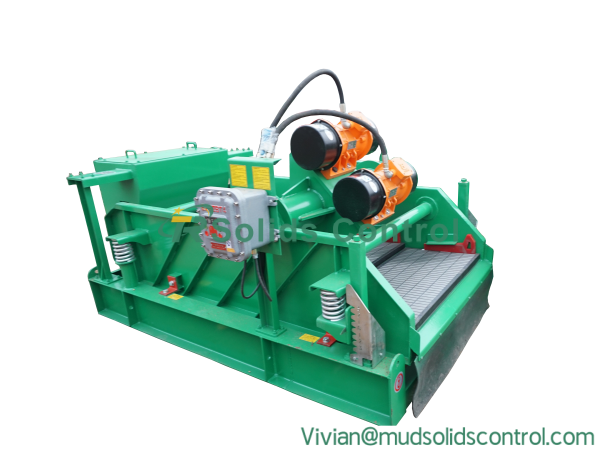
TR Solid Control can also provide customized solutions based on the customer’s drilling depth, displacement, geological conditions, and more, allowing the shale shaker to work in complete coordination with desanders, desilters, centrifuges, and other equipment, achieving multi-stage purification of drilling fluid, improving drilling fluid recovery and utilization, and helping oilfield drilling achieve efficient, environmentally friendly, and economical operation.
In today’s era of oilfield drilling moving towards high efficiency, intelligence, and environmental friendliness, stable and reliable shale shakers are becoming increasingly important. TR Solid Control will continue to deeply cultivate the oilfield drilling solid control sector, continuously improve product quality and technical levels, and provide more reliable and efficient vibrating screens and overall solid control solutions for global oilfield drilling operations.
Shale Shaker: The Core of the Drilling Fluid Solids Control
The drilling fluid solids control process is a staged purification system. Its goal is to remove solids of varying sizes through coordinated equipment, restoring fluid viscosity and density for recycling thereby cutting costs and environmental impact. Arranged by particle size, the process begins with the shale shaker as the “first gate” of solids control.
- Front End – Shale Shaker: Fluid returning from downhole, carrying solids >74 µm, enters the shaker. High‑frequency vibration separates and discharges large cuttings, removing over 80% of solids and greatly reducing the load on downstream equipment.
- Mid Stage – Desander + Desilter: Fluid then flows to the desander (removing 74–44 µm sand) and desilter (removing 44–20 µm clay).
- Back End – Centrifuge: Finally, the centrifuge removes ultra fine solids below 20 µm, producing clean fluid that returns to the well.
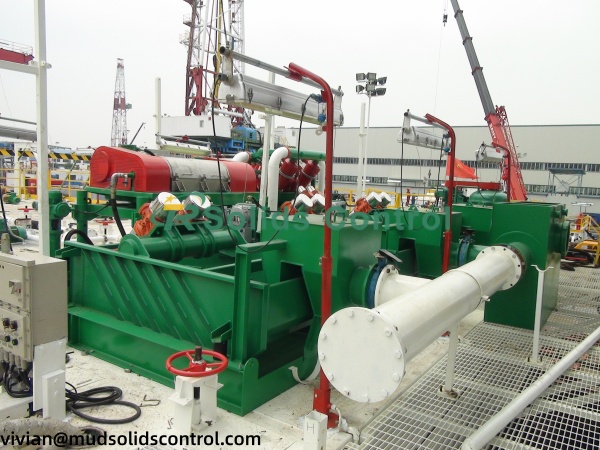
In the drilling fluid solids control process, the shale shaker is more than just a “cuttings separator” its performance directly impacts overall efficiency, equipment wear, and fluid reuse. Its core role, and why it is the front end key, is threefold:
- Reduces Downstream Load & Wear: If large cuttings bypass the shaker, they enter desanders and desilters, wearing impellers, liners, and risking blockages—increasing failures and shortening equipment life.
- Ensures Process Efficiency: A shaker with mismatched capacity can cause fluid overflow or delayed treatment, slowing the entire solids control process.
- Boosts Overall Fluid Recycling: Incomplete separation leaves solids that degrade fluid quality, making full performance restoration difficult even after deep cleaning. An efficient shaker enables staged, thorough purification, significantly raising total recycling rates.
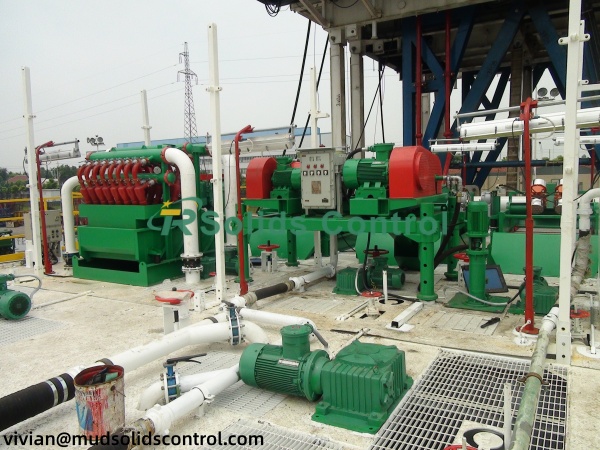
To meet the hierarchical and on site demands of the drilling fluid solids control process, TR solids control has optimized its shale shaker for efficient front end purification and seamless downstream integration. Its core design features align with actual process requirements:
- Multi Level Throughput: Screens in various sizes offer capacities from tens to hundreds of cubic meters per hour, matching drilling flow and system needs. Adjustable excitation force and deck angle allow real time tuning to fluid viscosity and solids, preventing overflow or delays.
- Dual Mode Vibration: Switchable linear and elliptical trajectories: linear for rapid separation in low viscosity, high volume fluid; elliptical for thorough cleaning of high viscosity, high solids mud, minimizing residue carry over.
- System Integrated Design: The shaker is developed alongside TR desanders, desilters, and centrifuges, with outlet size and flow rate precisely matched to downstream inlets for plug and play operation.
- Quick Change Screens: A snap release screen clamp enables one person, tool free replacement in minutes. Durable polyurethane or stainless steel screens extend service life and minimize process interruptions.
Drawing on deep process knowledge and years of manufacturing experience, TR Solids Control has developed shale shakers that precisely meet operational needs. We also provide end to end process optimization solutions from initial purification to deep treatment ensuring full‑system coordination and efficiency.
Moving forward, TR will continue to be guided by field needs, constantly improving our shakers and complete solids control line to deliver reliable support for efficient, stable fluid treatment operations and help drilling projects achieve cost savings, productivity gains, and greener performance.
Shaker Screen Selection: Key to Drilling Screening Efficiency
In drilling solids control, the shale shaker screen is the essential consumable that determines separation precision, fluid-treatment efficiency, and overall shaker reliability. Choosing the wrong screen can cause rapid wear, fluid loss, or reduced purification-raising operational costs.
TR Solids Control supplies a full range of screens tailored to different drilling conditions and fluid properties, and provides a systematic selection method to help operators match the screen precisely to their on-site needs.
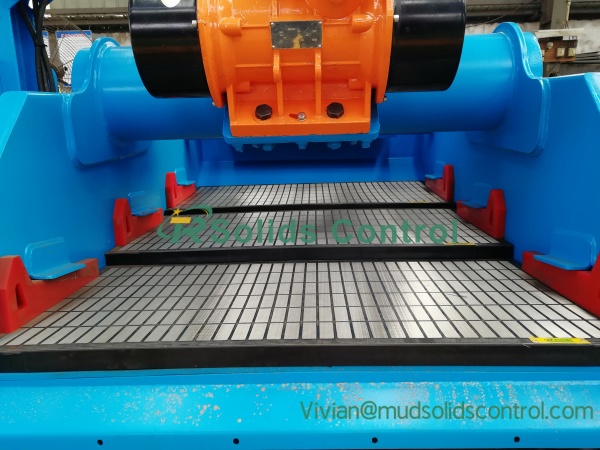
Choosing the right screen involves balancing several key factors based on drilling conditions:
- Mesh Size: Larger mesh (20-60) handles high‑flow, coarse cuttings. Medium mesh (80-120) suits routine fluid purification. Fine mesh (150-200) is for precise separation in shale gas or tight oil drilling.
- Material for Fluid Properties: Polyester: cost-effective for standard water-based fluids. Polyurethane: wear- and clog-resistant for high-viscosity, high-solids mud. 316L stainless steel: for corrosive conditions (e.g., salt-cement or acidic fluids).
- Dimensions & Mounting: Screen size and fastener positions must match your specific shaker model.
- Structure for Operational Intensity: Multi-layer composite screens (coarse base + fine top) withstand continuous, high-intensity vibration. Single-layer screens are adequate for intermittent or lighter operations, helping control costs.
TR Solids Control offers a comprehensive range of screen panels in polyurethane, polyester, and 316L stainless steel, covering 20-200 mesh and sized for all single, double, and triple shaker models. Custom screens are available for specialized drilling conditions.
Our screens are designed for precise fit, tension, and flatness on shakers, reducing fluid pooling and improving separation efficiency. The quick‑release snap design allows tool-free, one-person replacement, cutting maintenance downtime.
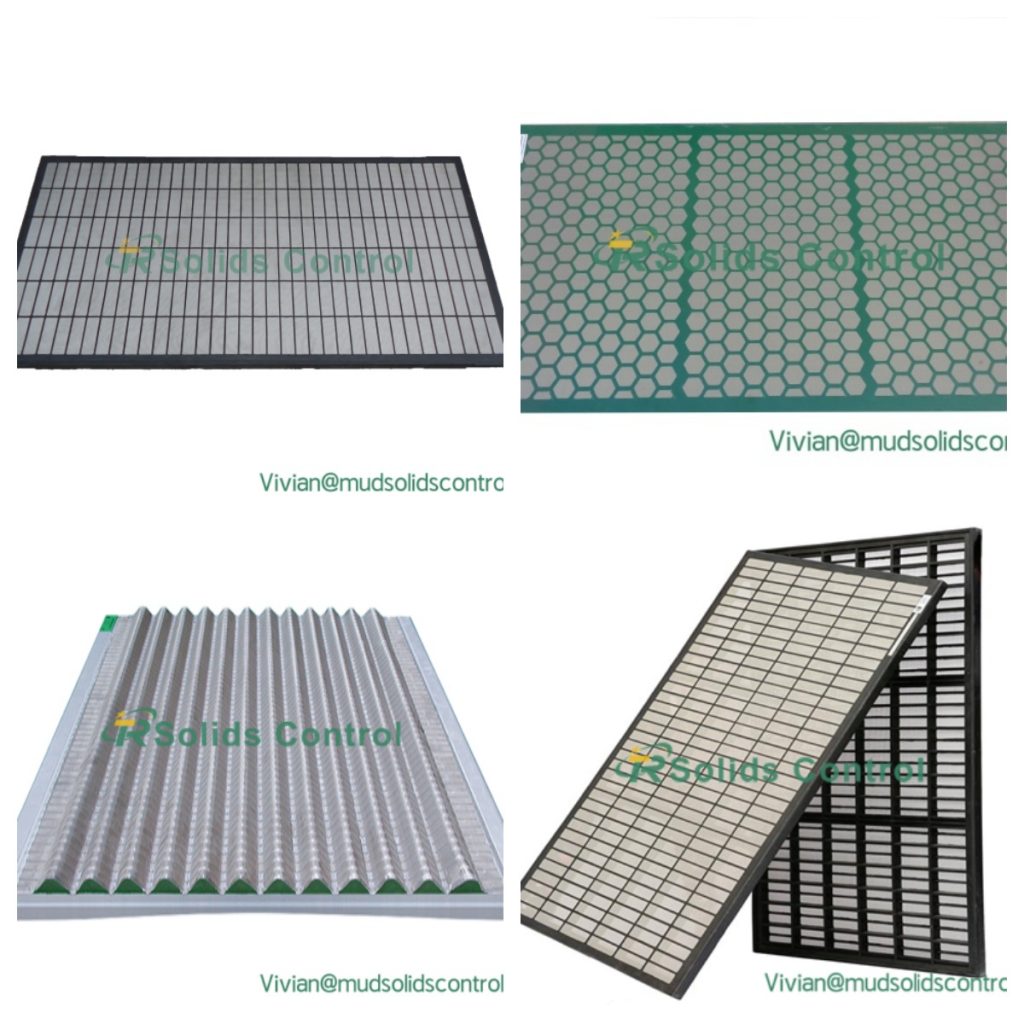
TR Solids Control provides full support to help you select the right shaker screens without guesswork.
- Professional Selection Guidance: Our technical team will recommend the best screen material, mesh size, and specs based on your drilling conditions, fluid type, cuttings size, and shaker model.
- On-Site Compatibility Testing: For complex conditions, we can perform on-site trials with different screens to evaluate performance and efficiency, ensuring the optimal choice.
- Operator Training: We train your on-site staff in screen selection and replacement methods, empowering them to adapt to changing conditions independently.
Screens selection may seem minor, but it directly affects screening efficiency, drilling fluid quality, and overall solids control performance. TR Solids Control not only supplies a full range of high-quality mesh products but also provides scientific selection methods and full technical support based on professional expertise and field experience. This ensures each mesh choice precisely matches drilling conditions, supporting efficient, stable cuttings separation and fluid purification to help reduce costs and improve drilling-process efficiency.
Drilling fluid shale shaker discount
In oil and gas drilling, the shale shaker is a core solids control device whose procurement cost significantly impacts project budgets. Choosing a cost effective purchasing method can lower equipment investment without sacrificing quality, improving overall project efficiency.
Deeply experienced in solids control, TR Solids Control recognizes customers cost concerns. For its full range of shale shakers, TR offers favorable industry-tailored policies that move beyond low-price, low-quality models. This enables customers to obtain both procurement discounts and high-quality, site-suitable equipment with full service support, making TR a preferred shaker partner for drilling companies.
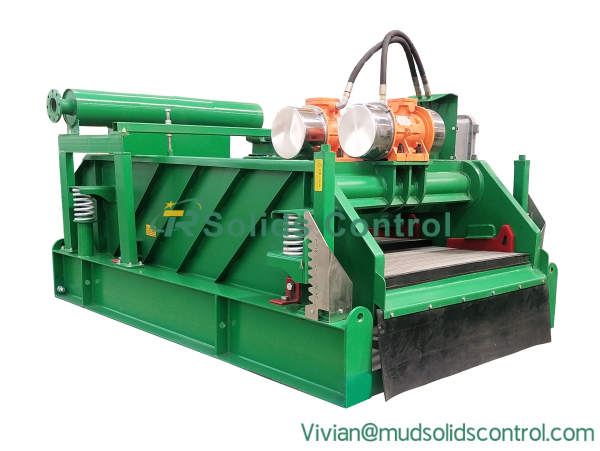
TR drilling fluid shaker purchasing plans are tailored to drilling-company needs, offering clear, transparent discounts for various buying scenarios.
- Volume-Based Discounts: Larger purchases receive greater per‑unit discounts, with free shipping, installation, and commissioning—ideal for block-wide or large-project procurement.
- System-Package Discounts: Higher discounts apply when purchasing complete solids-control systems, including custom layout design for better equipment synergy and fluid‑treatment efficiency.
- Loyal-Customer Discounts: Returning customers receive repurchase discounts, complimentary maintenance service, and free wear‑part gifts.
- Seasonal & Promotional Offers: Limited-time discounts across all shaker models suit small-to medium-scale purchasing, providing cost-effective buying opportunities.
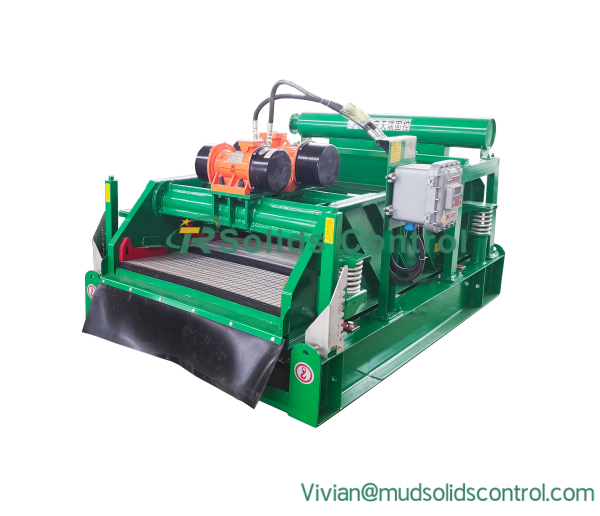
TR Solids Control discounted shale shakers maintain full quality by leveraging direct factory production, eliminating middle-man costs without compromising performance.
- No Reduction in Core Specs: Discounted units still feature a Q345B alloy steel screen box, IP65-rated motor, wear-resistant polyurethane screens, switchable linear/elliptical vibration, and adjustable excitation force and deck angle. All meet industry standards for onshore, offshore, and shale gas drilling.
- Full-Process In-House Production: Every shaker is manufactured in-house under ISO-controlled processes—from materials and machining to final testing—ensuring reliability and stability before delivery.
- Genuine Quality Consumables: Included wear parts (screens, damping springs, etc.) are original TR-made components with superior wear and corrosion resistance, extending service life and reducing long-term operating costs.
TR Solids Control discounted shaker procurement is simple and fully supported, with no complex procedures, so customers can secure savings quickly.
Discounted procurement is an effective way to lower costs—provided you choose a reputable manufacturer with transparent policies and proven quality. As a professional solids-control manufacturer, TR leverages direct factory advantages to offer diverse, clear discount programs. These allow you to control procurement costs while receiving reliable, high‑performance shakers and full service support.Choosing TR discounted shaker program ensures equipment quality and helps manage project costs, making your drilling‑fluid treatment more efficient and economical.
Shale Shaker——Drilling fluid treatment equipment
The shale shaker is designed for efficient liquid-solid separation. Its main components include the screen box, vibration motor, damping system, and frame. Once started, the motor drives the screen deck in high-frequency linear or elliptical motion. When drilling fluid with cuttings is fed onto the screen, vibration quickly separates solids from fluid. Fluid and fine particles pass through the mesh to the next stage, while larger cuttings are conveyed off the screen for discharge.
TR solids control has optimized vibration trajectory and excitation force based on fluid viscosity and solids content, making the screening action better suited to actual drilling conditions. This prevents fluid pooling and screen blinding, improving both separation efficiency and operational stability.
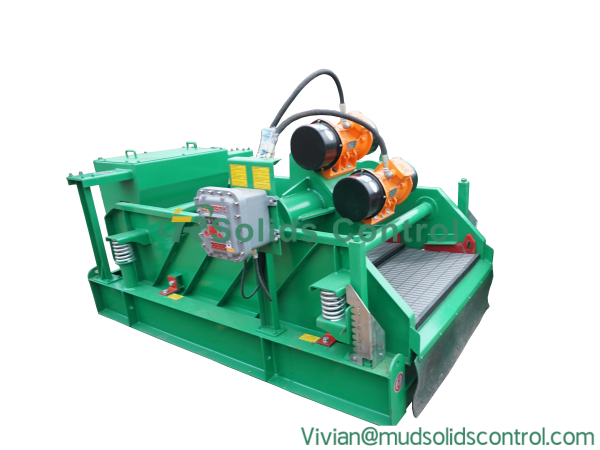
TR Solids Control designs its shale shakers to meet varied drilling conditions—from onshore and offshore drilling to shale gas and geothermal operations—by balancing practicality, adaptability, and ease of maintenance.
- Dual Vibration Modes: Switchable linear and elliptical trajectories: linear for fast, high-volume/low-viscosity fluids; elliptical for thorough screening of high-viscosity, high-solids mud, preventing accumulation and improving separation.
- Durable, Quick-Change Screens: Screens in polyurethane, high-manganese, or 304 stainless steel, in 20-200 mesh, match cuttings size for accuracy and life. A quick-release clamp allows tool‑free screen changes, minimizing downtime.
- Corrosion-Resistant & Damped Construction: The screen box is welded Q345B steel with heavy-duty anti-corrosion coating; frame and fasteners use 304 stainless steel to resist mud acids and saline conditions. Composite damping springs absorb vibration, reduce noise, and extend equipment life.
- Live Adjustable Parameters: Excitation force (5–8g) and screen-deck angle (–2° to +5°) can be adjusted without stopping, letting operators optimize settings in real time based on fluid viscosity, solids, and flow rate.
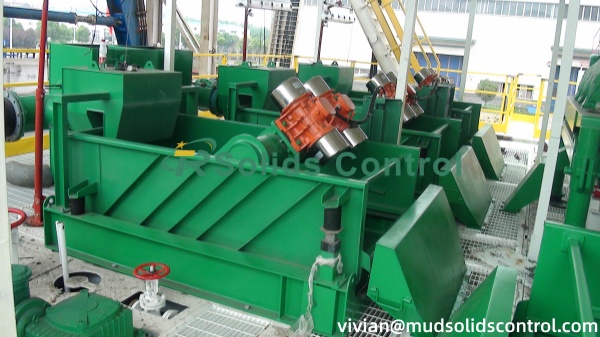
Drilling fluid treatment is a staged purification system involving shale shakers, desanders, desilters, centrifuges, and mud cleaners. Only through seamless, coordinated operation can deep fluid purification be achieved.
As the core front-end equipment in this system, TR Solids Control shale shakers are designed for synergy with downstream units. Their underflow outlet and flow rate are precisely matched to same-series desanders and desilters, allowing fluid to move directly to the next stage without path adjustments, boosting overall system efficiency.
TR also offers custom system configurations based on your fluid-treatment scale and needs, integrating shakers with other equipment, optimizing layout and flow to create a compact, efficient system adaptable to various wellsite spaces and operational demands.
As a core drilling fluid processing unit, the shale shaker performance directly impacts overall treatment efficiency, fluid recycling, and drilling cost-effectiveness. TR Oilfield Technology continuously optimizes shaker design and manufacturing to deliver stable screening performance across varied drilling conditions, providing reliable support for efficient, safe operations.
As a professional drilling fluid equipment manufacturer, TR also offers full-cycle services—from selection and commissioning to operation and maintenance—ensuring worry-free, efficient use of your fluid-treatment equipment.
Analysis of the Practical Advantages of the Shale Shaker
Oilfield drilling sites are harsh, with dampness, dust, and corrosion that challenge equipment durability. TR solids control drilling mud shale shaker is designed for these conditions, offering practical advantages:
- High-Strength Screen Box: The screen box is fully welded from Q345B alloy steel, with weld inspections to eliminate defects. A heavy-duty anti-corrosion coating (≥250 μm) resists acid, alkali, and saline‑alkali conditions, including offshore and corrosive environments.
- Modular, Compact Layout: A modular design integrates the motor, screen bed, and damping system, reducing footprint without compromising capacity. This simplifies installation, transport in tight spaces, and later component replacement.
- Efficient Damping System: Fatigue-resistant composite springs absorb vibration, minimize resonance, lower operating noise, and prevent interference with other site equipment, improving operational comfort.
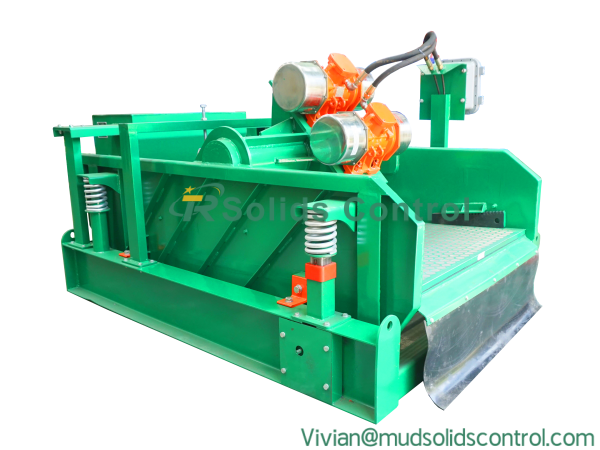
TR solids control drilling mud shale shakers are optimized for screening accuracy and processing efficiency under varied drilling conditions.
- Dual-Mode Vibration: Switchable linear and elliptical modes. Linear mode spreads fluid rapidly for high-volume mud and large cuttings; elliptical mode improves layering and prevents screen blinding in high-viscosity, high-solids mud.
- Adjustable Parameters: Excitation force is adjustable from 5-8g for real-time response to mud viscosity and solids. The screen-deck angle can be changed from –2°to +5°while running, optimizing fluid retention to balance throughput and separation.
- Wide Screen & Quick-Change Mesh: Screen widths range from 800-1800mm, increasing contact area for higher throughput. Wear-resistant polyurethane screens are available in 20-200 mesh and feature a quick-release clip, enabling one-person replacement in under three minutes to reduce downtime.
Beyond its structural and performance strengths, TR drilling mud shale shakers help reduce long-term operating costs through durability and support:
- Long-Life Wear Parts: Key consumables-screens and shock-absorbing springs-use wear-and fatigue-resistant materials. Screens last 800+ hours; springs endure 5,000+ vibration cycles, cutting replacement frequency and parts costs.
- Maintenance-Free Vibration Motor: The sealed, IP65-rated motor prevents mud/dust ingress. It features maintenance-free bearings, eliminating routine lubrication and increasing uptime.
- Full-Process Technical Support: TR service team provides end-to-end assistance from selection and commissioning through operation and maintenance. A fast spare parts network ensures timely replenishment to avoid downtime.
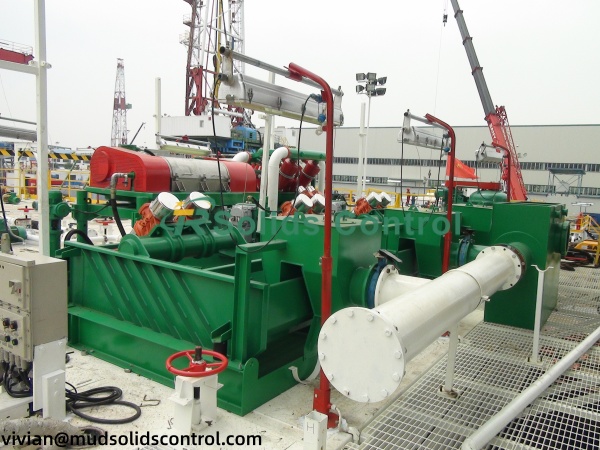
Drilling mud screens are the core of the solid control system. TR shakers integrate seamlessly with desanders, desilters, and centrifuges to form a coordinated, multi‑stage purification process: after initial separation by the shaker, fluid flows to the desander, then the desilter, and finally the centrifuge for deep cleaning and recycling. This system approach can improve solid‑control efficiency by over 30% and reduces waste-fluid discharge, supporting green drilling.
The key advantage of TR shakers is their adaptability to drilling conditions. We refine our product strengths across four dimensions—structure, performance, operation & maintenance, and system integration—enabling stable, efficient fluid purification and practical support for drilling cost reduction and efficiency goals.
Oilfield Mud Shale Shaker
Drilling mud is the “blood” of the well, cooling the bit, lubricating tools, and balancing pressure. When it returns to the surface, it carries solids like cuttings and sand. Without immediate separation, mud performance degrades, tools wear faster, and risks such as stuck pipe increase.
The shale shaker solves this. A vibration motor drives the screen bed at high frequency, quickly separating cuttings from the fluid. Liquid and fines pass through for further treatment, while larger solids are discharged. This restores mud properties, improves recycling, lowers fresh mud costs, and is indispensable in drilling operations.
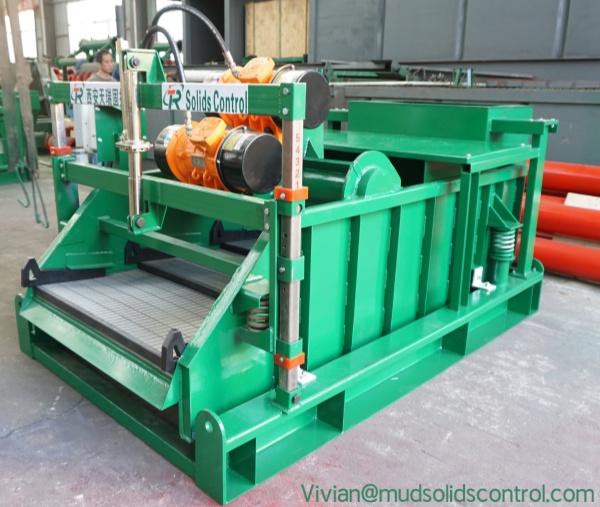
Oilfield drilling presents diverse, challenging conditions, with variations in mud viscosity, solids, and flow rates requiring highly adaptable shale shakers. TR solids control has tailored its shakers for oilfield mud, delivering targeted technical features:
- Anti-Blinding Screen Design: Wear-resistant polyurethane screens with anti-clogging openings prevent sticking in high-viscosity mud. Available in 20-200 mesh to match cuttings size, balancing accuracy and throughput. Quick‑release buckles allow one-person screen changes, reducing downtime.
- Dual-Mode Vibration: Switchable linear and elliptical vibration modes. Linear handles high-volume mud rapidly; elliptical improves screening in high-solids mud. Adjustable excitation and amplitude suit varying block conditions, including shale and tight oil.
- Durable, Corrosion-Resistant Build: The screen box is fully welded Q345B alloy steel with heavy-duty anti-corrosion coating, built for humid, saline oilfield sites. A composite-spring damping system absorbs operational impact, reduces machine vibration, and extends service life.
In oilfield drilling, the shale shaker works as part of a complete TR solids control purification chain alongside desanders, desilters, and centrifuges.
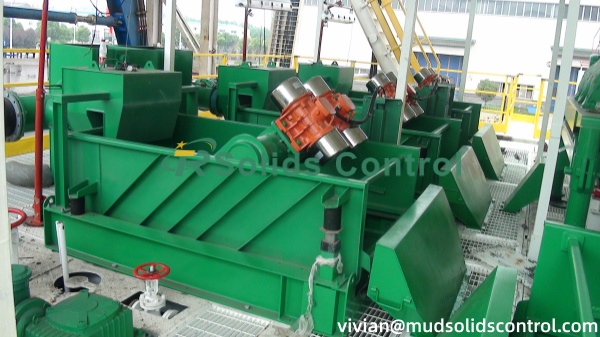
After initial separation by the shaker, mud flows to the desander (removing 20-74 µm sand), then the desilter (removing 2-20 µm clay), and finally undergoes deep purification in a centrifuge. The cleaned mud is returned to the well for reuse.
This multi-stage process can raise mud reuse rates above 90%, lowering both procurement costs and waste discharge, in line with green drilling principles.
When selecting an oilfield shale shaker, match it to your specific block conditions by focusing on three aspects:
- Capacity – Ensure the rated flow matches your drilling output to avoid overflow or oversizing.
- Adaptability – For high-viscosity, high-solids mud, choose units with switchable vibration modes and anti‑blinding screens.
- After-Sales Support – Verify the supplier can supply parts and provide prompt on-site technical assistance.
TR Solids Control offers tailored shaker solutions based on your geology and drilling parameters. We support the entire process—installation, commissioning, training, and spare parts—through our extensive service network.
ISO-certified Shale Shaker Manufacturer
ISO certification is a comprehensive assessment of a manufacturer’s production management, with clear standards covering the entire shale shaker manufacturing process. In global drilling equipment procurement, ISO certification is a key benchmark for evaluating manufacturing quality. As the core of the solid control system, shaker production and quality control that meet ISO standards directly impact operational stability and service life.
With years of experience in solid control, TR Solids Control has established a full‑process ISO-certified management system from R&D to delivery. Our ISO-certified shale shakers meet domestic operational needs and comply with international market requirements.
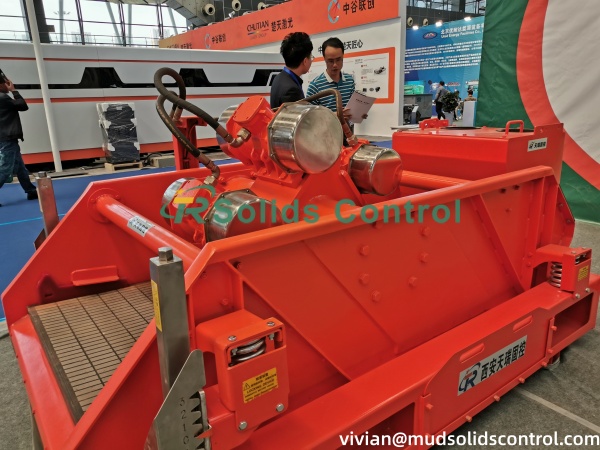
As an ISO-certified manufacturer, TR Solids Control balances international standards with field needs to produce practical, standardized vibrating screens.
- Dual-Trajectory Vibration: Switchable linear and elliptical modes adapt to varied conditions. Linear handles high-volume fluids rapidly; elliptical improves screening for high-viscosity fluids. Suitable for on-shore, horizontal, and offshore wells.
- Quick-Install Screens: A wedge-style clamp enables fast, one-person screen changes without tools, cutting downtime. Wear-resistant polyurethane screens in 20-200 mesh match different particle sizes and extend service life.
- Full-Process Traceability: Each unit has a production record tracking materials, processes, and inspection data. This ensures batch-to-batch consistency in performance and design, supporting reliable system integration.
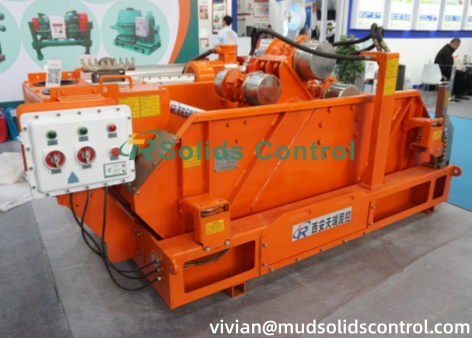
TR Solids Control supports its ISO-certified shale shakers with a full lifecycle service system:
- Professional Selection Guidance: Our technical team recommends suitable ISO-certified models based on your drilling depth, geology, and fluid type, and advises on full system integration with downstream equipment.
- Standardized Installation & Commissioning: We provide on-site setup and calibration, guiding you through secure mounting and parameter settings per ISO standards to ensure stable startup and operation.
- Complete After-Sales Support: A responsive service team offers maintenance support and supplies genuine ISO-standard spare parts, ensuring long-term operational quality and efficiency.
ISO certification is an important milestone for shale shaker manufacturers in moving toward standardization and normalization. Choosing a manufacturer with ISO certification is crucial to ensuring efficient drilling operations. TR Solids Control adheres to ISO standards in manufacturing and, leveraging its mature technical expertise and comprehensive service system, provides the drilling industry with high-quality shale shaker products, assisting drilling companies in achieving cost reduction and efficiency enhancement goals.