Tag Archives: Industrial Shale Shaker
What Are Some Shale Shaker Factories In China?
What is the shale shaker and why is it important in drilling?
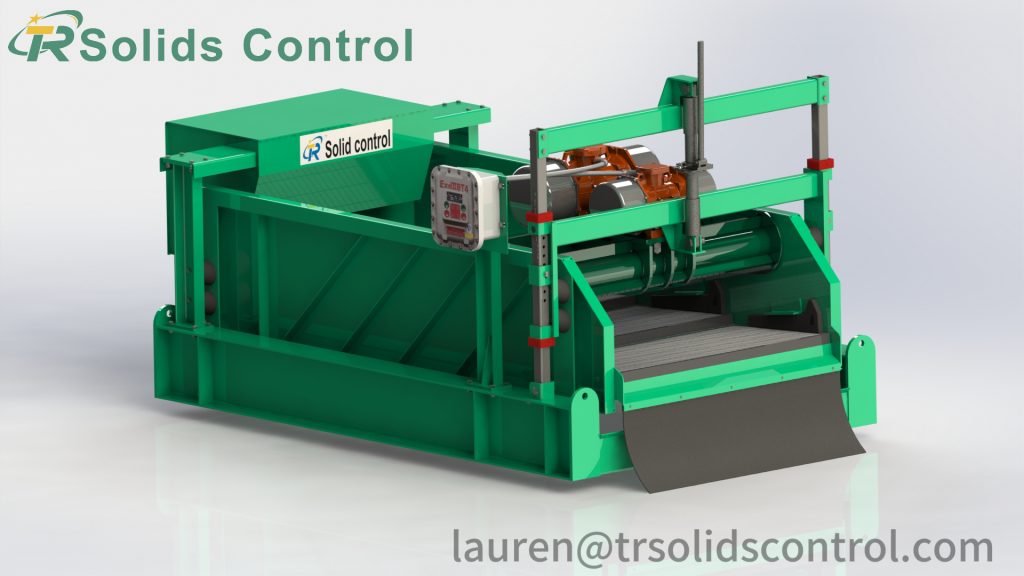
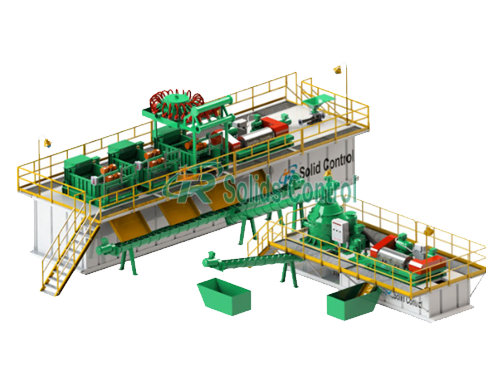
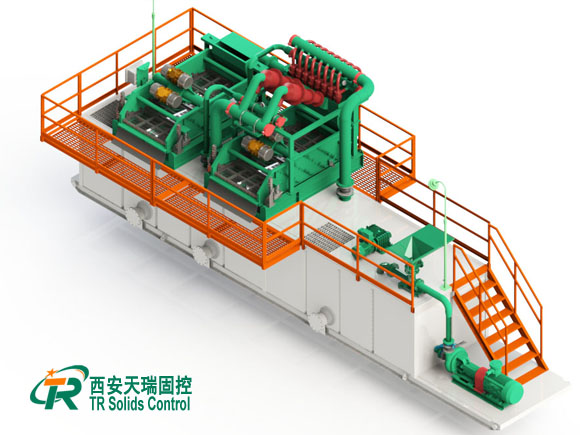
Shale Shaker is a primary piece of solids control equipment used in drilling operations to remove drilled solids from drilling fluids. Efficient separation ensures drilling efficiency, reduces wear on pumps, and protects downstream equipment.
Which shale shaker factories are leading in China?
China hosts multiple shale shaker factories known for producing high-quality and reliable solids control equipment. Leading factories offer customizable designs, compliance with API standards, and support for both onshore and offshore drilling operations.
How to choose the right shale shaker factory?
When selecting a factory, consider:
- Production capacity and experience in the oil & gas industry
- Quality certifications and compliance with standards
- Availability of technical support and spare parts
- Innovations that enhance drilling efficiency
What are the advantages of sourcing from Chinese shale shaker factories?
- Competitive pricing without compromising quality
- Access to the latest solids control equipment technology
- Flexibility for custom orders and fast delivery
- Reliable support for global oil & gas projects
How can a shale shaker factory improve drilling efficiency?
The professional shale shaker factory provides advanced equipment that efficiently separates solids, reduces mud loss, minimizes downtime, and ensures stable drilling operations.
Elliptical Vibrating Screen for Drilling Mud Solids Control
What is an elliptical vibrating screen and why is it widely used?
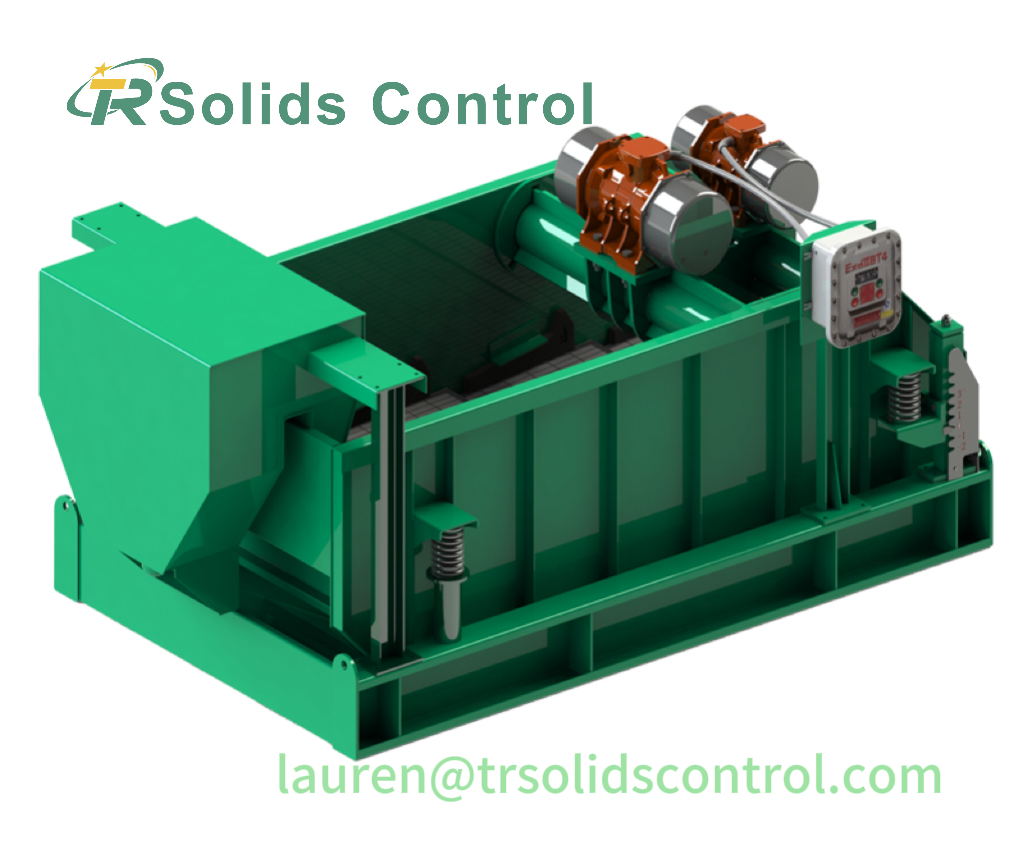
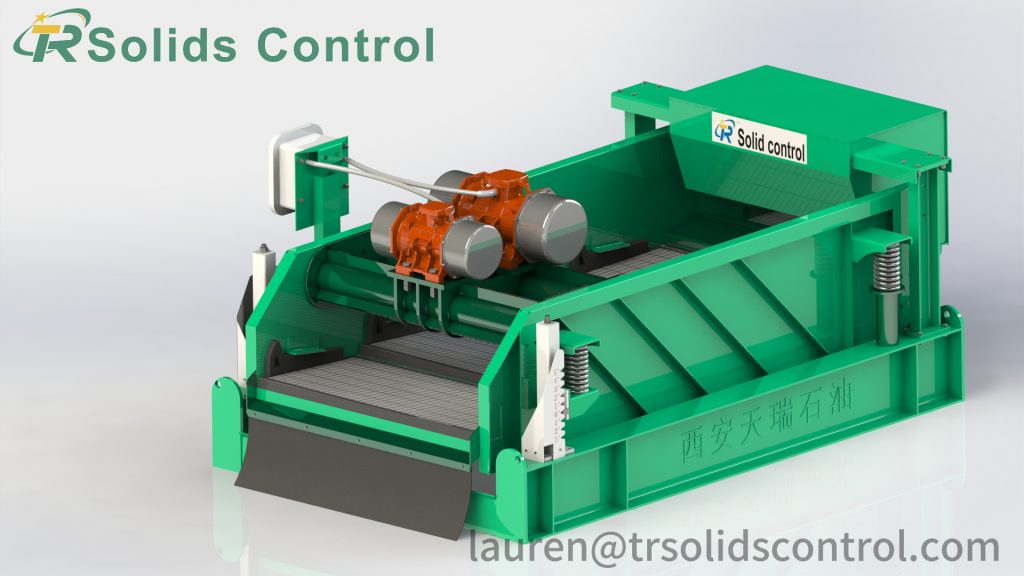
Elliptical Shale Shaker is high-efficiency screening machine that generates an elliptical motion through compound vibration. Unlike linear or circular screens, it produces combined horizontal and vertical movements, allowing materials to move forward, jump, and roll simultaneously. This complex motion improves particle dispersion, making it easier for fine particles to pass through the screen mesh, thus increasing screening accuracy. In real industrial conditions, materials are often moist or sticky, which can cause clogging in traditional equipment. The elliptical motion reduces material retention and minimizes blockage. Another key advantage is adjustability. By modifying vibration parameters such as amplitude and frequency, the screen can adapt to different materials and working conditions, making it highly versatile in modern industries.
How does it work? What is the core principle?
The core of an elliptical vibrating screen lies in the exciter, which generates compound excitation forces. These forces, produced by rotating eccentric blocks, combine in multiple directions to form an elliptical motion. During operation, materials are subjected to gravity, inertia, and friction. They are continuously thrown up and fall back onto the screen, while moving forward. This motion helps separate particles and improves screening efficiency. For wet or fine materials, this motion is especially effective because it reduces adhesion to the screen surface. The ratio of the ellipse’s axes affects performance: the longer horizontal axis increases conveying speed, while the larger vertical component improves screening precision.
What problems does it solve?
In many production processes, screening becomes bottleneck, especially with wet or sticky materials that clog traditional screens. This leads to downtime and increased costs. Elliptical Shale Shaker address these issues by improving material dispersion and reducing residence time on the screen surface. This minimizes clogging and enhances efficiency. They also provide better precision for fine classification tasks, making them ideal for industries requiring both high capacity and accuracy. Ultimately, they improve productivity, reduce maintenance, and enhance product quality.
How to choose and use it properly?
Selecting the right screen requires understanding material properties such as size, moisture, and stickiness. Capacity requirements and installation conditions must also be considered. During operation, regular maintenance is essential. Check the screen mesh, ensure proper lubrication, and avoid overloading. Adjust vibration parameters as needed to achieve optimal performance.