Tag Archives: Hiperpool Shaker Manufacturer
Hiperpool Shaker Factory: What Manufacturers Can Provide
When searching for a Hiperpool shaker factory, buyers usually want more than a basic equipment supplier. A professional factory should provide reliable shale shaker manufacturing, technical support, replacement parts, customization and complete solids control solutions.
Hiperpool shaker is designed to separate drilled solids from drilling fluid during oil and gas drilling operations. As one of the primary solids control machines, the shale shaker can help remove drill cuttings while recovering drilling fluid for continued circulation.
What Is a Hiperpool Shaker Factory?
Hiperpool shaker factory is a manufacturer specializing in the design, production and supply of Hiperpool-type shale shakers and related solids control equipment.
Professional manufacturer may provide complete equipment manufacturing, screen systems, motors, spare parts, technical support and customized configurations. For example, available Hiperpool shaker configurations can include four-screen designs, linear motion vibration systems and adjustable deck angles.
For international drilling contractors, choosing a factory directly can also simplify communication, technical confirmation, quality inspection and spare-parts supply.
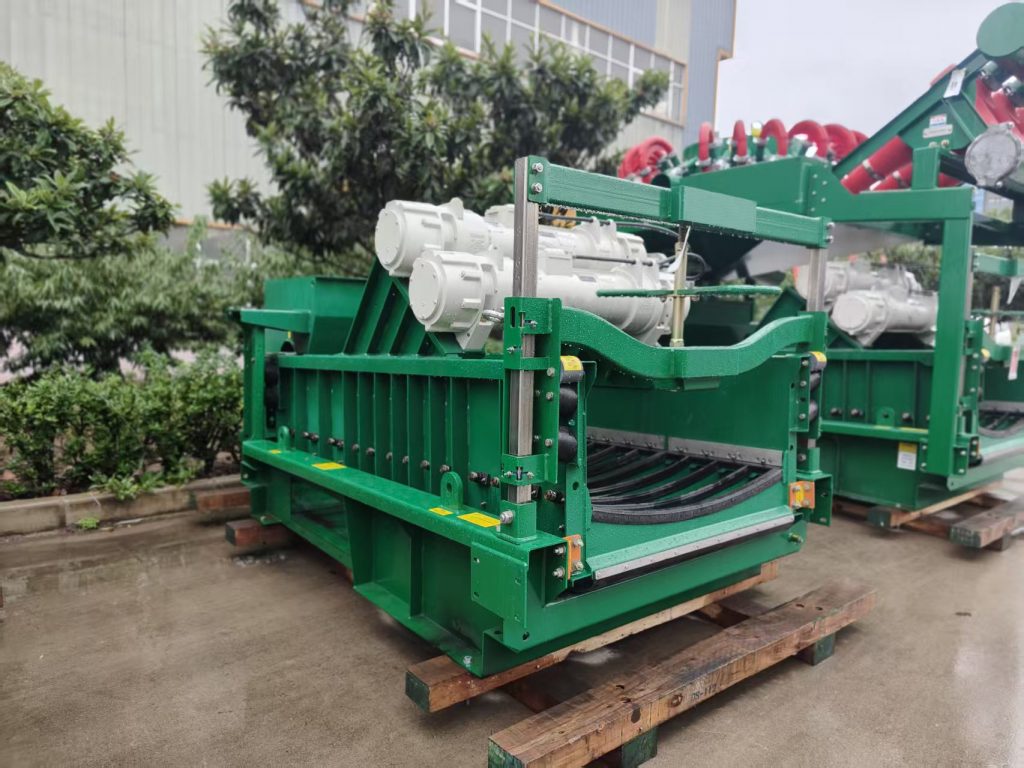
Hiperpool Shaker
What Products Can a Hiperpool Shaker Factory Supply?
Professional factory can supply different types of equipment for drilling fluid solids control.
The main product is the Hiperpool Shale Shaker, which is normally installed at the first stage of solids separation. It removes relatively large drill cuttings from drilling fluid before the mud enters downstream equipment.
Depending on project requirements, manufacturers may also supply:
- Hiperpool shale shakers
- Shale shaker screens
- Replacement screen tensioning systems
- Vibrating motors
- Springs and bearings
- Mud cleaners
- Desanders and desilters
- Centrifugal pumps
- Mud agitators
- Complete solids control systems
This equipment can be integrated into oil and gas drilling, HDD, geothermal drilling and other drilling-fluid treatment applications.
Why Choose a Professional Hiperpool Shaker Manufacturer?
The quality of a shale shaker directly affects solids separation performance and drilling fluid recovery. A professional Hiperpool shaker manufacturer should therefore have appropriate production capabilities and quality-control procedures.
Important factors include material inspection, welding quality, vibration testing, screen compatibility and final equipment testing.
Some manufacturers also provide API-related documentation, factory inspection and pre-shipment inspection services for international customers. These services can help buyers verify equipment specifications before shipment.
Hiperpool Shaker Customization
Different drilling projects have different flow rates, mud properties and installation requirements. Therefore, a Hiperpool shaker factory should be able to provide customized configurations.
Customization may include:
- Screen configuration
- Motor specifications
- Deck adjustment
- Electrical control system
- Equipment dimensions
- Explosion-proof requirements
- Painting and surface treatment
- Spare-parts packages
For example, a Hiperpool-4 model listed by a Chinese manufacturer uses four screens, linear motion and dual vibration motors, with specifications designed for oil and gas solids-control applications.
Hiperpool Shaker Factory Quality Control
Quality control is an important consideration when purchasing oilfield equipment from overseas.
Reliable factory should inspect raw materials and key components before production. The shaker frame, welding structure, vibration system and screen installation should be checked during manufacturing.
Before shipment, manufacturers may conduct equipment running tests to verify vibration stability, mechanical performance and overall operation.
For replacement screens and components, compatibility is equally important. Correct screen dimensions and tensioning systems can help maintain separation efficiency and reduce unnecessary downtime.
Applications of Hiperpool Shakers
Hiperpool shakers are primarily used for drilling fluid solids control.
Typical applications include:
Oil and Gas Drilling:
The shaker separates drill cuttings from drilling mud at the first stage of solids control.
Shale Gas Drilling:
High-flow drilling systems require efficient solids removal and stable mud treatment.
HDD Projects:
Horizontal directional drilling systems can use shale shakers for drilling mud recycling and cuttings separation.
Geothermal Drilling:
The shaker can be integrated into drilling-fluid treatment systems for geothermal projects.
Properly configured shale shaker can also work together with mud cleaners, centrifuges, pumps and other solids control equipment to form a complete treatment system.
How to Choose a Hiperpool Shaker Factory?
When evaluating a supplier, buyers should compare several factors rather than focusing only on the equipment price.
First, check the manufacturer’s production experience and technical capabilities. Second, confirm the treatment capacity, screen configuration, motor power and vibration parameters. Third, ask about replacement screens and long-term spare-parts availability.
Buyers should also check quality certificates, testing procedures, inspection services, delivery capability and after-sales technical support.
For international projects, communication and customization capability are especially important because the equipment may need to match an existing solids control system.
Last But Not Least
Professional Hiperpool shaker factory should offer more than a single shale shaker. It should provide equipment manufacturing, customization, replacement parts, quality control and technical support for different drilling applications.
For buyers looking for a Hiperpool shaker supplier, comparing manufacturing capability, product specifications, quality control, spare-parts availability and technical service can help establish a suitable long-term supply relationship.