Tag Archives: Elliptical Shale Shaker
Mud Shale Shaker Working Principle – Efficient Drilling Mud Separation
The mud shale shaker is a crucial component in the drilling fluid management system, commonly used in oil and gas drilling operations. Its primary role is to remove solid particles from drilling mud, ensuring smooth drilling operations and prolonging the life of drilling equipment. Understanding the mud shale shaker working principle is essential for engineers and operators aiming to maximize efficiency in the field.
The shale shaker operates based on a combination of vibration and screening. The drilling mud, which contains cuttings, sand, and other solid materials, is pumped onto a vibrating screen. The screen is designed with mesh sizes suitable for separating solids of different sizes. As the screen vibrates, the mud passes through, while the larger solid particles are thrown off the screen and collected for disposal.
d particles are thrown off the screen and collected for disposal.
The working principle of a mud shale shaker can be broken down into several key steps:
- Feeding: Drilling mud is pumped from the wellbore onto the shaker screen. Proper flow control is critical to ensure uniform distribution and prevent overloading.
- Vibrating Mechanism: Shale shakers typically employ elliptical or linear vibration mechanisms. The elliptical motion is preferred in many modern units because it provides a balanced and efficient separation process, reducing screen blinding and increasing throughput.
- Screening: The mesh on the screen separates particles based on size. Fine particles pass through the screen as clean mud, while larger cuttings move along the screen surface to the discharge end. Screen selection is crucial: a finer mesh ensures better mud cleaning, whereas a coarser mesh increases mud recovery and reduces clogging.
- Discharge: Separated solids are discharged into a collection trough or conveyor system. Efficient discharge ensures minimal re-contamination of the drilling mud.
- Adjustable Features: Modern mud shale shakers allow for adjustments in vibration intensity, deck angle, and screen type. This adaptability ensures optimal performance under varying drilling conditions and mud types.
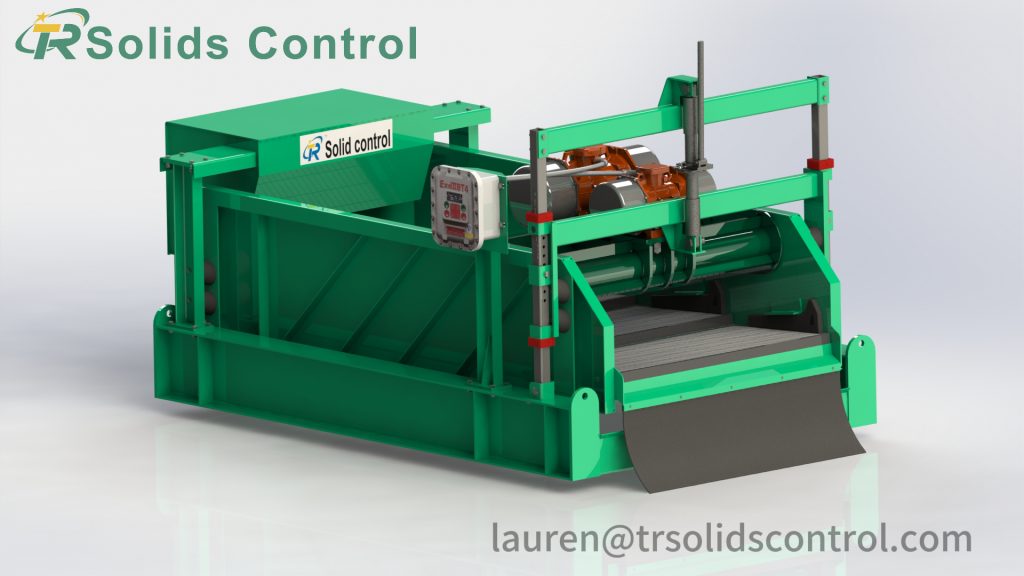
The mud shale shaker working principle is not only about mechanical separation but also about maintaining drilling fluid properties. By efficiently removing solids, shale shakers help maintain the desired mud density and viscosity, which is essential for controlling well pressure, lubricating the drill bit, and preventing formation damage.
Shale shaker efficiency depends on several factors:
- Screen Area: Larger screens increase mud processing capacity.
- Vibration Type and Frequency: Proper vibration prevents clogging and improves solids transport.
- Mud Properties: High-viscosity muds may require specialized screens or shaker settings.
- Flow Rate: Excessive flow can overwhelm the screen, reducing separation efficiency.
Elliptical Shale Shakers are especially effective in complex drilling environments. Their motion mimics an oval pattern, which promotes better stratification of solids and reduces the likelihood of screen damage. Operators often prefer elliptical shakers for high-throughput wells and abrasive drilling conditions.
In conclusion, understanding the mud shale shaker working principle is essential for effective solids control in drilling operations. By optimizing vibration settings, screen selection, and feed distribution, drilling teams can enhance mud recovery, reduce equipment wear, and maintain consistent drilling performance. Investing in high-quality shale shakers, including elliptical models, ensures long-term operational efficiency and cost savings.
Mud Shale Shaker Manual – Comprehensive Guide for Drilling Efficiency
The Mud Shale Shaker Manual is an indispensable resource for drilling engineers and oilfield operators. It provides detailed instructions on the setup, operation, and maintenance of shale shakers, particularly elliptical shale shakers, which are widely used in modern drilling operations. Proper usage ensures effective drilling mud solids control, improving drilling efficiency and equipment lifespan.
1. What is the Mud Shale Shaker?
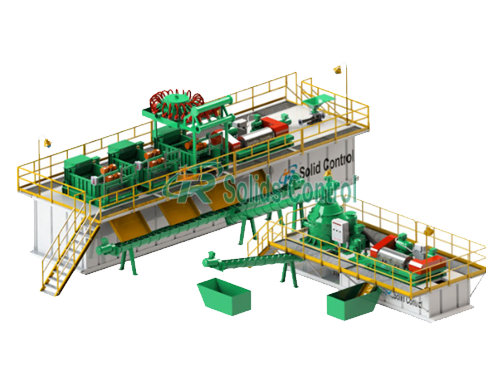
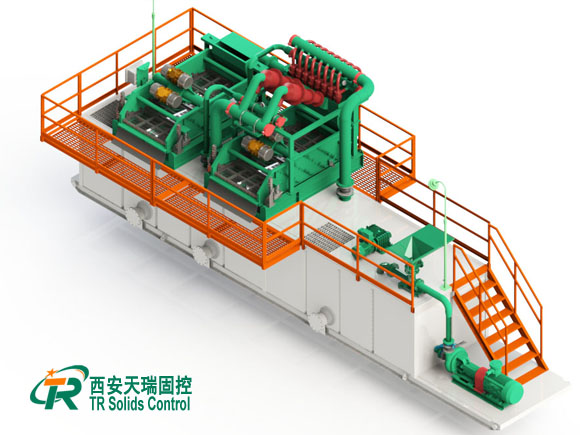
A shale shaker is the first line of defense in solids control, separating large cuttings and debris from drilling mud. Removing these solids early reduces wear on pumps and other downstream equipment, maintains mud quality, and lowers operational costs.
2. Key Components and Types
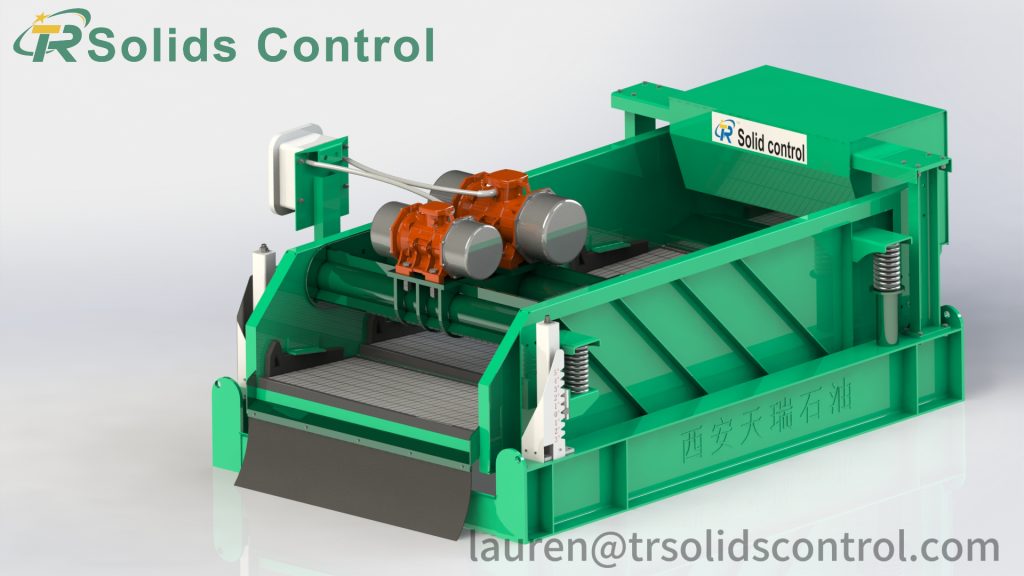
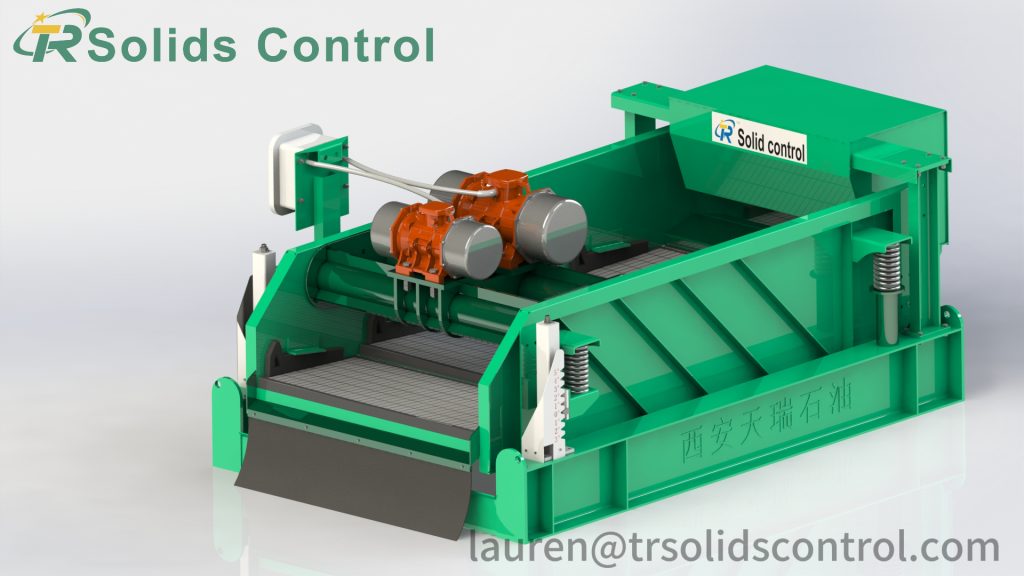
- Screen panels: Capture large cuttings
- Shaker basket and frame: Provide vibration and stability
- Motors and exciters: Control movement and frequency
- Feed chute: Directs mud evenly across the screen
Elliptical shale shakers, in particular, combine vertical and linear motion to maximize solids separation efficiency.
3. Operating the Elliptical Shale Shaker
Step-by-step guide for safe operation:
- Inspect all components before starting.
- Adjust the screen tension and speed according to mud type.
- Evenly distribute the feed mud for consistent separation.
- Monitor vibration and discharge to ensure optimal solids removal.
4. Maintenance and Troubleshooting
- Replace worn or damaged screens promptly.
- Lubricate motors and bearings regularly.
- Check for vibration irregularities or fluid overflow.
- Follow safety procedures to prevent accidents.
5. Benefits of Using a Shale Shaker Manual
- Enhanced mud solids control
- Reduced downtime and operational costs
- Improved drilling performance and safety
- Extended lifespan of drilling equipment
6. FAQ (Frequently Asked Questions)
How often should the shale shaker screen be replaced?
Depending on drilling conditions, screens should be inspected daily and replaced as soon as wear or clogging is observed.
Can the elliptical shale shaker handle high-viscosity mud?
Yes, but adjusting vibration speed and screen type is essential for optimal performance.
What safety measures are recommended?
Always wear protective gear, ensure proper grounding of electrical components, and follow site-specific safety protocols.Conclusion
The Mud Shale Shaker Manual is more than just a guide; it’s a strategic tool for enhancing drilling operations. By following its instructions, operators can achieve superior mud solids control, reduce equipment wear, and maintain efficient drilling cycles.
What are the different types of Shale Shakers?
What are Shale Shakers and Why are They Important?
Shale shakers are essential solid control equipment used in the oil and gas industry, specifically in drilling operations. These machines are responsible for separating drilled cuttings (also known as shale) from the drilling fluid or mud. They play a crucial role in maintaining the efficiency of drilling operations by ensuring that the mud is kept clean and free of debris, allowing for the continuous and effective circulation of the drilling fluid.
What Are the Different Types of Shale Shakers?
There are several types of shale shakers, each designed to address specific needs in drilling operations. The most common types include:
- Linear Motion Shale Shakers:Linear motion shakers are the most widely used type of shale shaker in the industry. They move the screen in a straight-line motion, making them effective for drilling applications that involve light to medium viscosity fluids. These shakers are ideal for general-purpose use in both onshore and offshore drilling operations.
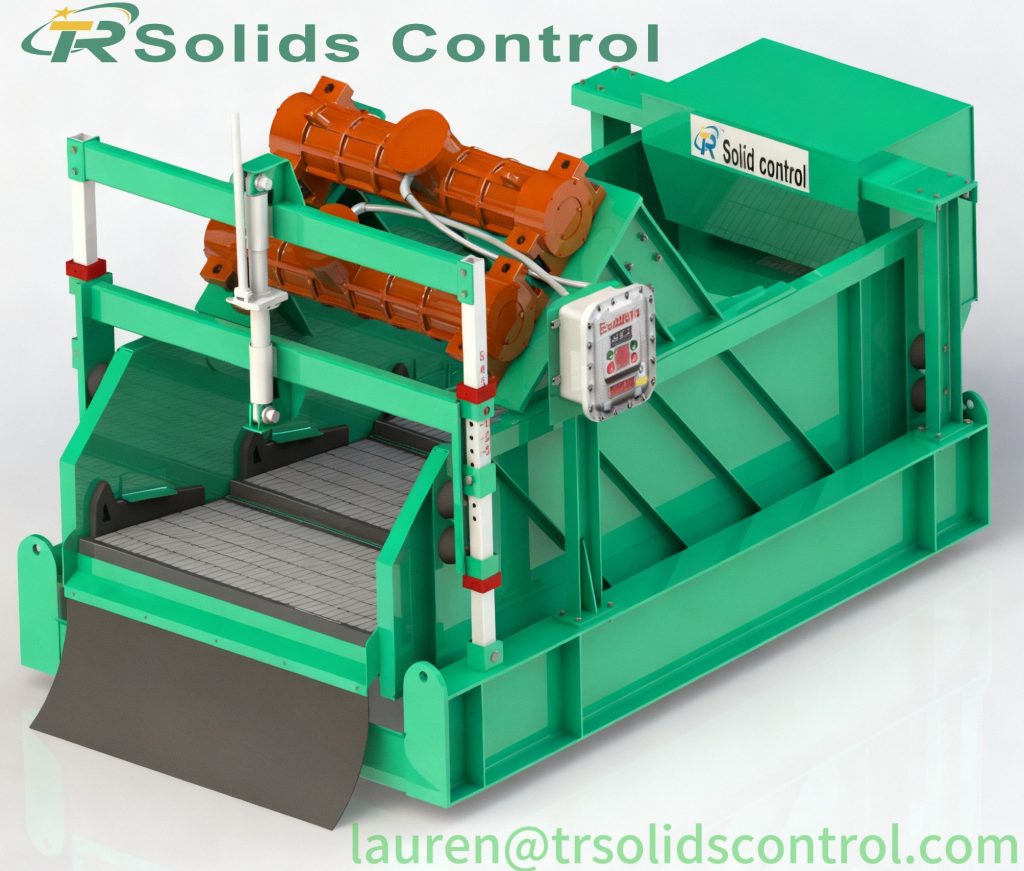
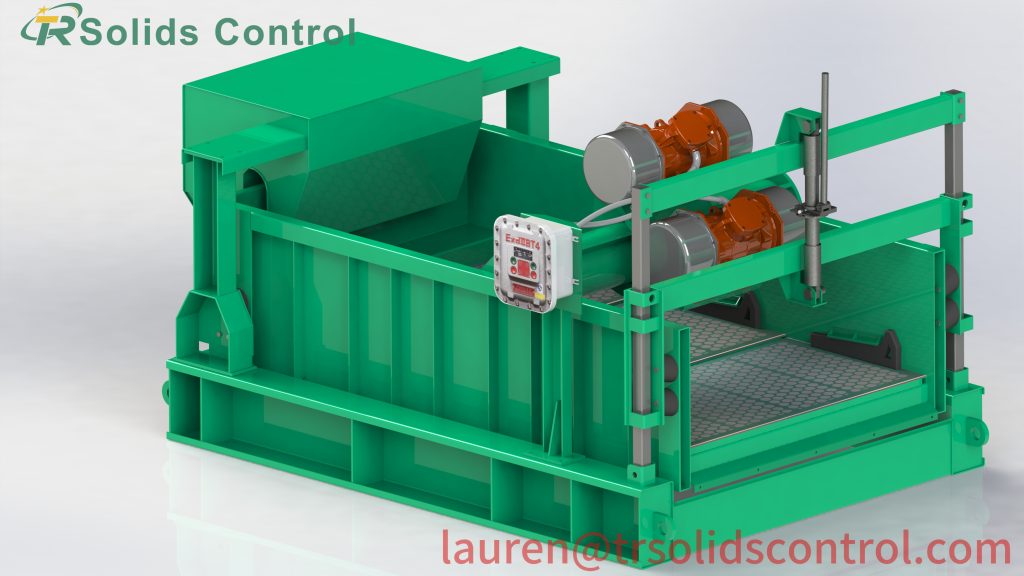
- Elliptical Motion Shale Shakers:Elliptical motion shakers combine both linear and elliptical motion, which allows them to provide higher separation efficiency compared to linear motion models. The combination of motions enhances the fluid and solids separation process, making them highly suitable for more demanding drilling operations, including high-viscosity fluids.
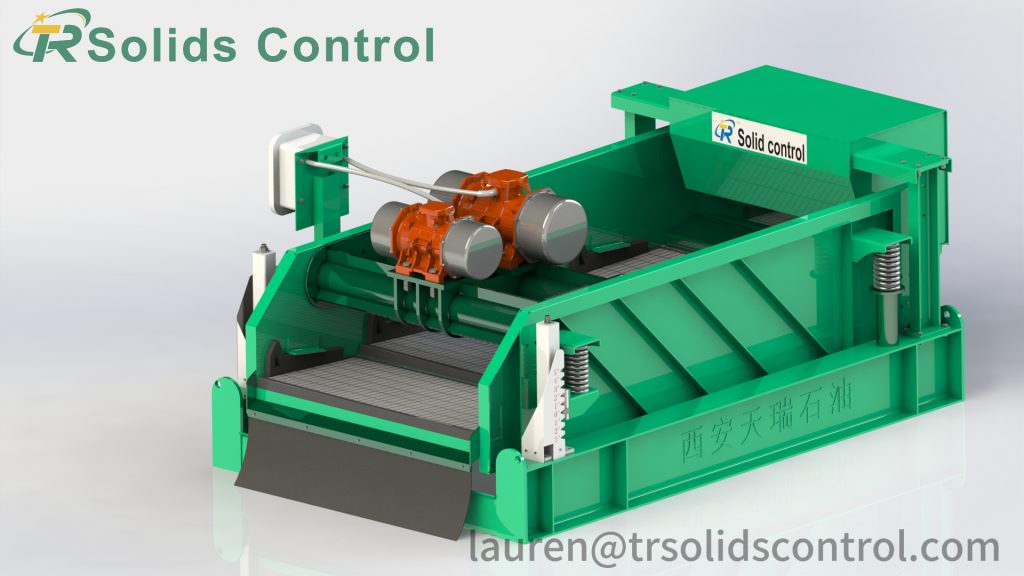
- Mud Shale Shaker:The Mud Shale Shaker is a specific type of shaker designed to work with mud-based drilling fluids. These shakers are designed for use in more challenging environments where the drilling fluid needs to be efficiently separated from larger solids. A Mud Shale Shaker helps optimize the drilling mud’s performance, improving the efficiency of the entire drilling operation.
What is TR Solids Control’s Role in Shale Shakers?
TR Solids Control is a leading manufacturer and supplier of advanced solid control equipment, including shale shakers. Known for its high-quality products, TR Solids Control provides a range of shale shaker models, such as linear motion and elliptical motion shakers, to meet the specific needs of drilling operations. Their equipment is designed to offer high separation efficiency, durability, and reliability, ensuring that your drilling operations run smoothly.
Why Choose TR Solids Control for Your Shale Shaker Needs?
When choosing a shale shaker for your operations, it is essential to consider performance, efficiency, and long-term reliability. TR Solids Control offers a variety of models tailored to different drilling requirements, backed by years of expertise in the solid control industry. Their products are designed to reduce downtime and improve the overall cost-effectiveness of drilling projects.
Elliptical Vibrating Screen for Drilling Mud Solids Control
What is an elliptical vibrating screen and why is it widely used?
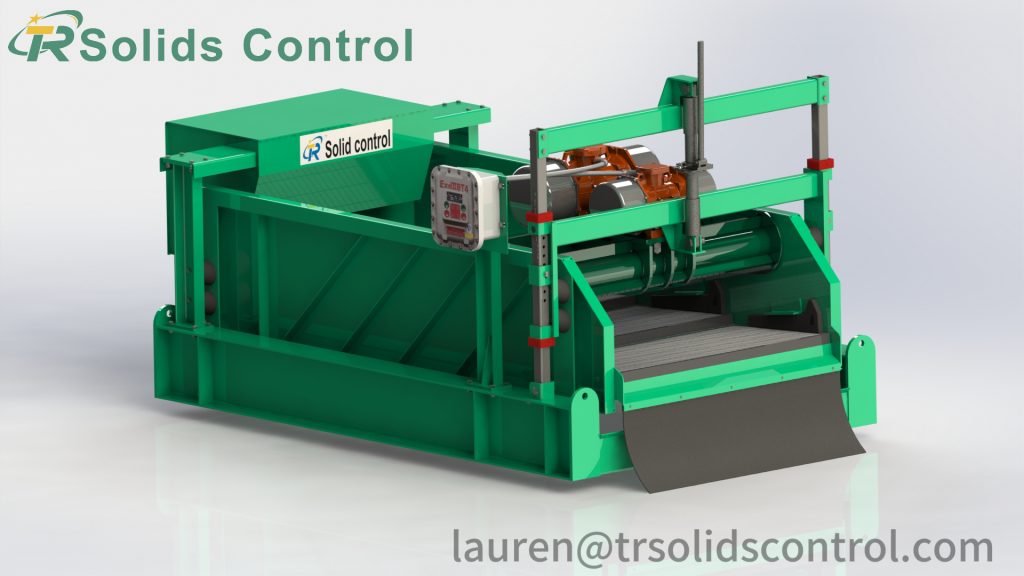
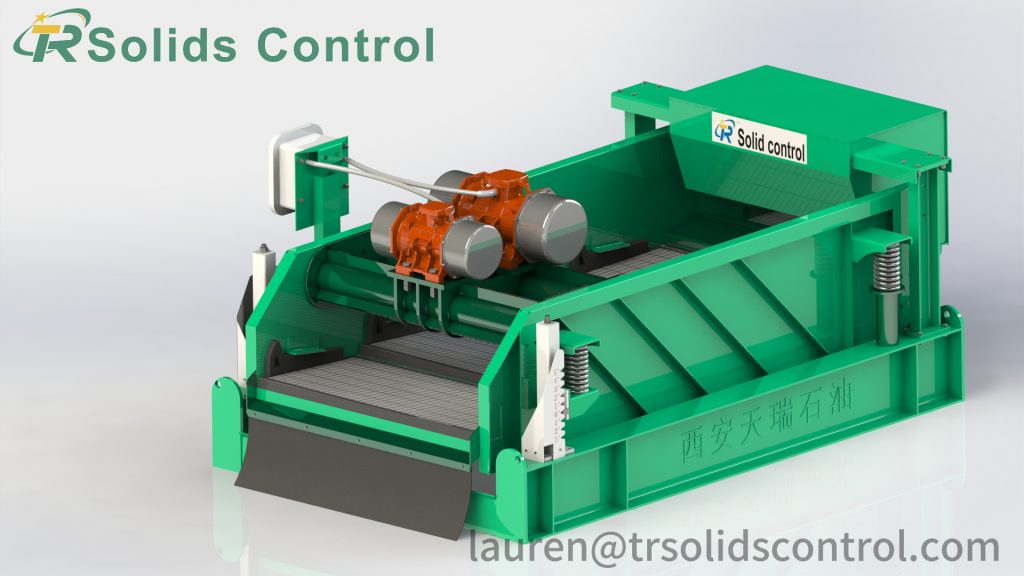
Elliptical Shale Shaker is high-efficiency screening machine that generates an elliptical motion through compound vibration. Unlike linear or circular screens, it produces combined horizontal and vertical movements, allowing materials to move forward, jump, and roll simultaneously. This complex motion improves particle dispersion, making it easier for fine particles to pass through the screen mesh, thus increasing screening accuracy. In real industrial conditions, materials are often moist or sticky, which can cause clogging in traditional equipment. The elliptical motion reduces material retention and minimizes blockage. Another key advantage is adjustability. By modifying vibration parameters such as amplitude and frequency, the screen can adapt to different materials and working conditions, making it highly versatile in modern industries.
How does it work? What is the core principle?
The core of an elliptical vibrating screen lies in the exciter, which generates compound excitation forces. These forces, produced by rotating eccentric blocks, combine in multiple directions to form an elliptical motion. During operation, materials are subjected to gravity, inertia, and friction. They are continuously thrown up and fall back onto the screen, while moving forward. This motion helps separate particles and improves screening efficiency. For wet or fine materials, this motion is especially effective because it reduces adhesion to the screen surface. The ratio of the ellipse’s axes affects performance: the longer horizontal axis increases conveying speed, while the larger vertical component improves screening precision.
What problems does it solve?
In many production processes, screening becomes bottleneck, especially with wet or sticky materials that clog traditional screens. This leads to downtime and increased costs. Elliptical Shale Shaker address these issues by improving material dispersion and reducing residence time on the screen surface. This minimizes clogging and enhances efficiency. They also provide better precision for fine classification tasks, making them ideal for industries requiring both high capacity and accuracy. Ultimately, they improve productivity, reduce maintenance, and enhance product quality.
How to choose and use it properly?
Selecting the right screen requires understanding material properties such as size, moisture, and stickiness. Capacity requirements and installation conditions must also be considered. During operation, regular maintenance is essential. Check the screen mesh, ensure proper lubrication, and avoid overloading. Adjust vibration parameters as needed to achieve optimal performance.