Tag Archives: shale shaker manufacturer
Mongoose Shale Shaker: Core Features, Benefits & Oilfield Applications
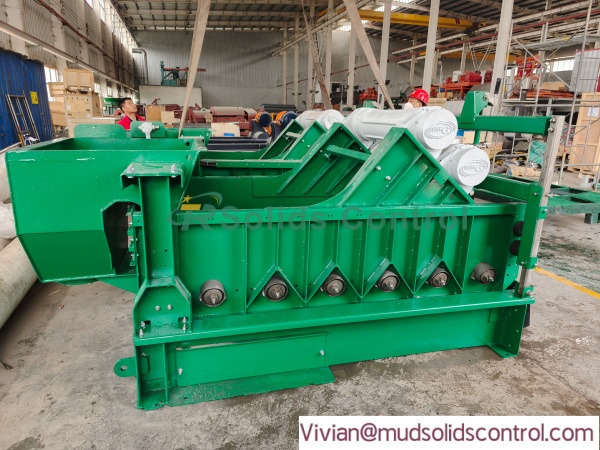
The Mongoose shale shaker—renowned in oilfield solids control—boasts stable performance, flexible configuration, and efficient mud separation. Widely used in onshore/offshore drilling, it’s compatible with composite frame screens for reliable separation and long service life. Understanding its structure, working principle, and application range aids in selecting the right equipment for diverse drilling conditions.
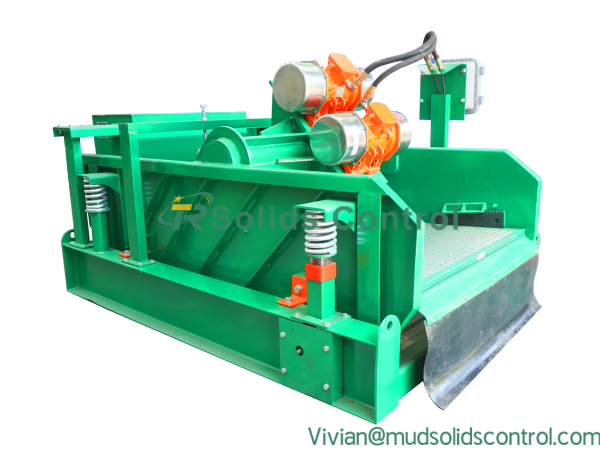
Structural Features of the Mongoose Shale Shaker
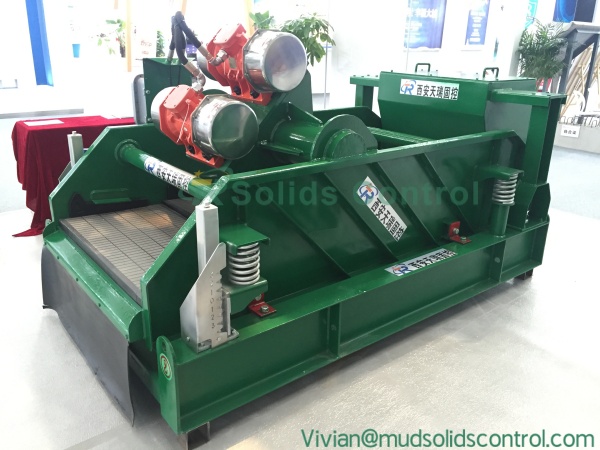
- Double-Deck or Single-Deck Screen System: Depending on the model, the shaker can be configured as a single-deck or dual-deck design for higher processing capacity and improved fine solids removal.
- Composite Frame Shaker Screens: Compatible with high-quality composite screens that provide excellent filtration efficiency, long lifespan, and resistance to corrosion and wear.
- Vibratory Motors with Adjustable Settings: The dual vibration motors deliver strong linear motion, and operators can adjust vibration intensity according to drilling mud properties.
- User-Friendly Tensioning System: Quick-lock or wedge-type screen fixing mechanisms allow fast replacement and reduce non-productive time during drilling operations.
- Rugged Base and Isolation System: Designed to minimize vibration transfer and ensure stable operation in various drilling environments.
Working Principle of the Mongoose Shale Shaker
- Drilling mud enters the shaker through the flowline.
- Vibration motors generate linear motion, spreading mud evenly across the screen surface.
- Solids are transported forward and discharged, while clean mud passes through the mesh and flows to the tank below.
- The shaker continuously removes cuttings, improving mud quality and protecting downstream equipment such as desanders, desilters, and centrifuges.
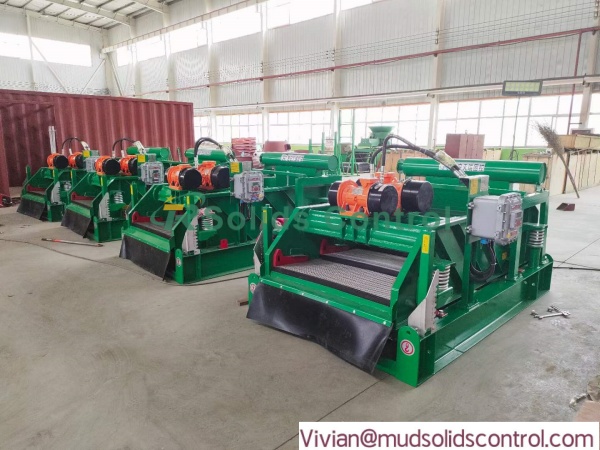
Advantages of the Mongoose Shale Shaker
- High Screening Efficiency: Composite screens and linear motion provide consistent separation of fine and coarse solids.
- Flexible Configuration: Optional dual-deck designs or additional modules improve mud processing performance for different drilling programs.
- Easy Maintenance: Quick screen replacement, simple structure, and robust components reduce maintenance time and cost.
- Compatibility with Industry-Standard Screens: Mongoose screens (API 20–325) are widely available and suitable for a range of drilling mud conditions.
- Stable Performance in Harsh Conditions: The shaker maintains reliable operation even during heavy mud flow, high solids load, or long drilling cycles.
Applications of the Mongoose Shale Shaker
- Oil & gas drilling solids control systems
- Workover and re-entry drilling
- HDD (Horizontal Directional Drilling)
- Mining slurry processing
- Geothermal drilling
- Environmental mud treatment projects
Replacement Screens for Mongoose Shakers
Many operators choose Mongoose-type screens because:
- Composite frame screens extend service life
- Mesh options meet API RP 13C standard
- Excellent resistance to wear, heat, and chemical additives
- Designed for high vibration and high-throughput conditions
TR Solids Control offers Mongoose replacement screens that match original dimensions and performance.
The Mongoose shale shaker remains a widely adopted option in modern drilling solids control systems due to its efficient separation capability, durable structure, and compatibility with composite frame screens. Whether for land rigs, offshore drilling, or HDD applications, it provides a reliable and cost-effective solution for maintaining clean drilling fluids.
Key Functions of Mud Shale Shaker in Drilling Fluid Treatment Systems
Mud shale shakers—critical first-stage solids control in drilling fluid circulation—remove cuttings to keep mud clean and usable. High-quality models boost drilling efficiency, reduce mud loss, and protect downstream equipment, making them widely used in oil/gas drilling, HDD, tunneling, and other slurry-based projects.
1. Primary Solids Removal
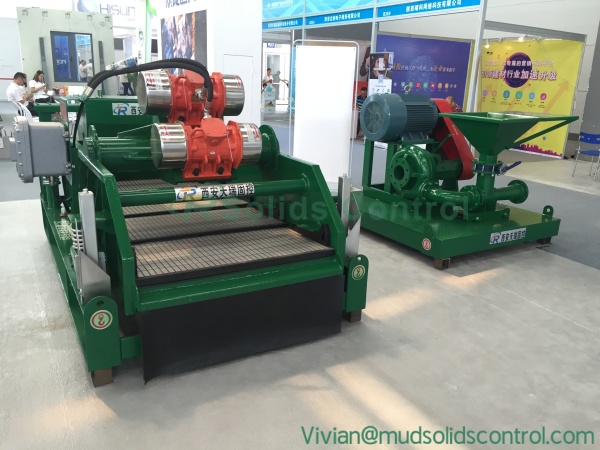
The main function of a mud shale shaker is to separate large solids and cuttings from the drilling fluid immediately after the mud returns from the wellbore. Prevents solids from re-entering circulation. Reduces viscosity and density of drilling fluid. Ensures stable drilling performance. By removing harmful solids early, the shale shaker improves the overall efficiency of the mud system.
2. Protecting Downstream Mud Equipment
When a mud shale shaker removes coarse solids effectively, it reduces the load on other solids control devices such as: Desanders; Desilters; Decanter centrifuges; Mud cleaners. This protection allows downstream equipment to operate efficiently, last longer, and require fewer maintenance cycles.
3. Improving Drilling Fluid Quality
Another key function of mud shale shakers is to maintain the performance of drilling fluid, ensuring proper: Lubrication; Cooling of the drill bit; Wellbore stability; Pressure control. Cleaner drilling mud leads to smoother drilling operations and fewer downhole complications.
4. Reducing Mud Cost and Waste Volume
By efficiently separating solids from the mud, shale shakers help: Reduce the amount of new mud required; Lower waste disposal cost; Extend drilling fluid service life. This contributes to both operational savings and improved environmental compliance.
5. Enhancing Drilling Safety
Removing unwanted cuttings ensures that mud properties remain within safe operating limits.
Stable mud conditions help maintain consistent pressure in the wellbore, reducing risks such as: Formation collapse; Stuck pipe; Uncontrolled fluid entry. This makes the shale shaker a vital safety component in drilling operations.
6. Supporting Multiple Drilling Applications
The functions of mud shale shakers make them suitable for various industries:
- Oil and gas drilling
- Horizontal directional drilling (HDD)
- Tunnel boring machines (TBM)
- Piling construction
- Mining slurry treatment
- Environmental mud recycling
Different industries benefit from custom screen mesh, vibration modes, and structural configurations.
Mud shale shakers are crucial for drilling/slurry processing—separating solids, protecting equipment, improving fluid quality, and reducing environmental impact as the foundation of efficient solids control systems. Choosing a reliable shaker and proper screen configurations ensures stable, economical, and eco-friendly drilling operations.
Shale Shaker Screen Types: Understanding the Options for Efficient Solids Control
Choosing the right shale shaker screen types is essential for achieving efficient solids control and stable drilling fluid performance. Different screens vary in structure, material, and mesh configuration, and each screen type serves specific drilling conditions. Understanding these differences helps operators select screens with better durability, separation accuracy, and cost-effectiveness.
1. Steel Frame Screens
Steel frame screens are widely used due to their sturdy construction.
Features: Strong metal frame; Suitable for high-load operations; Good torsional strength
Best for: Projects requiring strong support and stable performance under heavy solids flow.
2. Composite Frame Screens
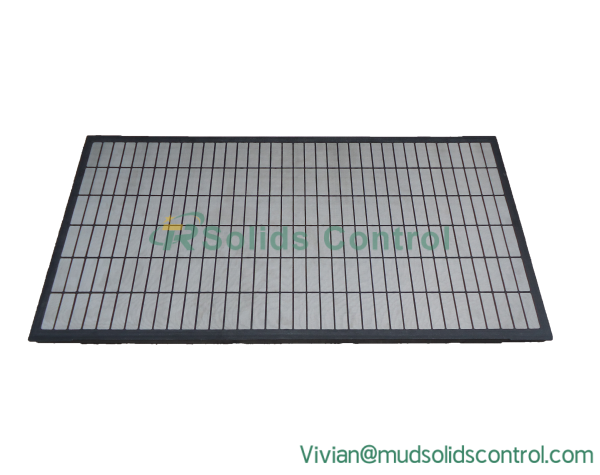
Composite screens are becoming increasingly common in modern rigs.
Features: Lightweight composite material; Higher usable mesh area; Better corrosion resistance; Longer lifespan in harsh environments
Best for: Operators seeking improved durability and reduced screen replacement frequency.
3. Hook-Strip Screens
Hook-strip screens are easy to install and replace.
Features: Side-hook connection; Suitable for older shaker models; Cost-effective design
Best for: Rigs using hook-strip tensioning systems or requiring quick screen swaps.
4. Pretensioned Screens
Pretensioned screens offer stable mesh tension and improved separation.
Features: Factory-tensioned mesh; Consistent performance; Compatible with many modern shakers
Best for: Environments where fine solids removal is critical.
5. Dual-Layer and Triple-Layer Screens
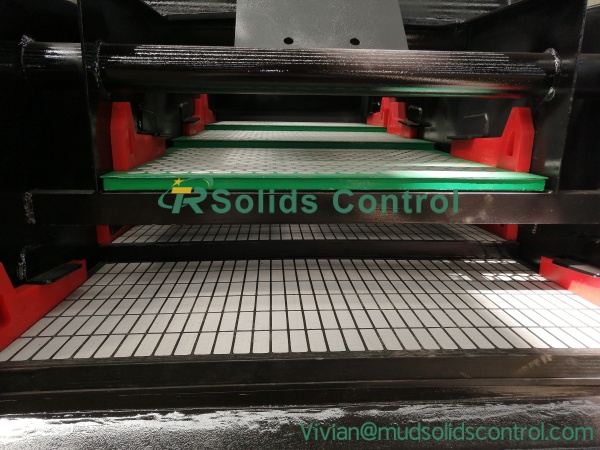
These screens increase screening efficiency with multiple mesh layers.
Features: Multiple fine-mesh layers; Improved cuttings removal; Better handling of fine solids
Best for: Wells with high viscosity mud or fine solid content.
6. Specialty Screens
Some drilling sites require screens engineered for unique conditions.
Common variations include:High-temperature resistant screens; Anti-blocking screens; Corrosion-resistant screens
Best for: Unconventional wells or harsh environments requiring enhanced durability.
Conclusion
Understanding different shale shaker screen types helps drilling teams make informed decisions based on cost, performance, and durability requirements. By choosing appropriate screens—whether composite, steel frame, API-rated, or multi-layer—operators can achieve more stable solids control and reduce operational downtime.
Shale Shaker Maintenance Guide: Key Steps to Extend Equipment Life and Improve Stability
Routine shale shaker maintenance is crucial for ensuring stable operation during drilling activities. Proper maintenance reduces screen wear, prevents vibration faults, lowers downtime, and improves overall solids control performance. By following structured inspection steps and preventive measures, operators can significantly extend equipment life and maintain consistent mud treatment quality.
1. Regular Screen Inspection
- Look for tears, broken mesh, and loose edges
- Replace damaged screens promptly
- Ensure correct tensioning to avoid premature wear
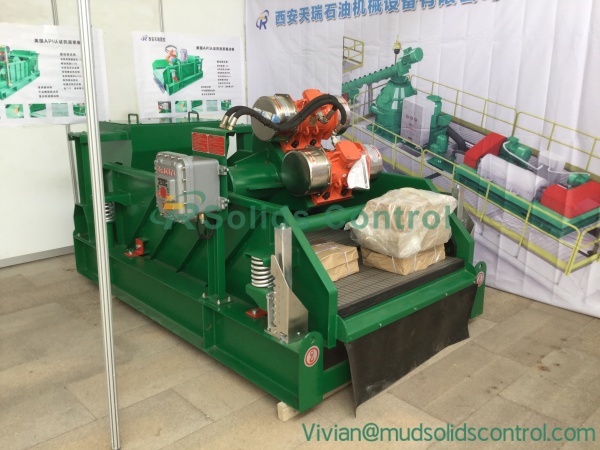
Consistent screen maintenance improves separation accuracy and reduces unnecessary mud losses.
2. Check Vibration Motors
- Verify motor rotation direction
- Inspect eccentric weights and adjust if needed
- Monitor temperature and vibration noise
- Tighten electrical connections regularly
Keeping motors in good condition helps maintain stable G-force output.
3. Lubrication of Bearings
- Follow the manufacturer’s lubrication schedule
- Use recommended grease types
- Avoid over-lubrication, which may cause overheating
- Clean lubrication contributes to long service life and smoother motion.
4. Clean the Shaker Deck and Underside
- Remove leftover solids after shutdown
- Check for rust or damage
- Inspect rubber deck seals and replace when worn
- A tidy working surface enhances overall efficiency.
5. Check Structural Fasteners
- Inspect all bolts on the deck, skid, screen frame, and motors
- Re-torque according to recommended values
- Replace worn or corroded fasteners
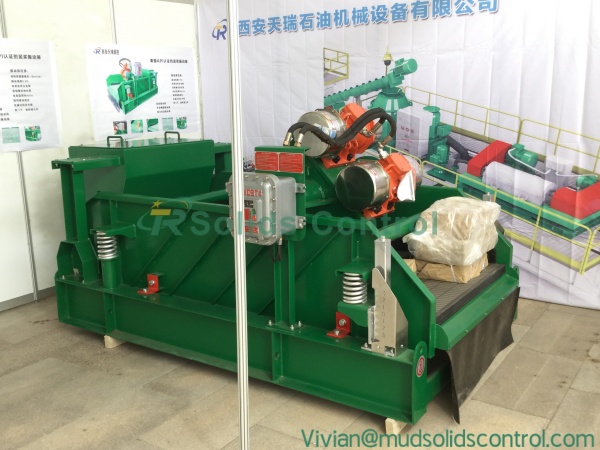
Tightening fasteners prevents operational instability and unexpected shutdowns.
6. Monitor Mud Flow & Distribution
- Ensure the inlet pipe is centered
- Adjust weir height or flow control valves
- Check for blockage in the feed box
Balanced flow keeps the shaker performing at optimal efficiency.
7. Electrical System Inspection
- Safe and reliable electrical components are vital.
- Inspect cables for wear or moisture
- Check control panel functions
- Ensure proper grounding of the shaker
Stable electrical performance supports long-term reliability.
8. Keep Maintenance Records
- Record screen usage time
- Track motor service intervals
- Log lubrication activities
Good records improve maintenance planning and reduce downtime.
Conclusion
Implementing a proper shale shaker maintenance plan helps protect equipment, stabilize drilling fluid treatment, and lower operational costs. With consistent inspections and timely replacements, drilling teams can improve performance and maintain safer field operations.
Shale Shaker Performance Comparison: Understanding the Key Differences
Conducting a shale shaker performance comparison is essential for operators who want to improve drilling fluid treatment efficiency. By analyzing parameters such as G-force, screen area, deck design, vibration modes, and processing capacity, you can better understand how different shale shaker models behave in real-world drilling environments.
1. Vibration G-Force
G-force affects how effectively solids are conveyed across the screen.
- Higher G-force → stronger conveying power and better drying of cuttings
- Lower G-force → reduced motion, suitable for fragile screens or gentle operations
Shakers using adjustable G-force allow more flexible operation across various drilling conditions.
2. Screen Area & Layout
Screen area is a critical element in a shale shaker performance comparison.
- A larger screen area supports higher flow rate
- Optimized screen layout (single-layer or multi-layer) enhances separation quality
Some modern units use composite screens to increase usable area and extend screen life.
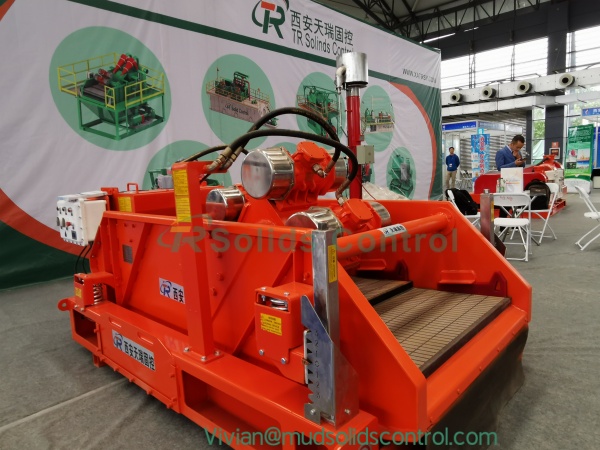
3. Deck Angle Adjustability
Deck angle determines fluid pool depth and cuttings movement speed.
- A steeper angle improves solids discharge
- A flatter angle increases fluid retention time
Shakers featuring quick manual or hydraulic angle adjustment provide better control over changing mud properties.
4. Vibration Mode: Linear vs. Balanced Elliptical
Different vibration modes influence separation performance:
- Linear motion → powerful conveying, ideal for heavy solids and high-volume mud
- Balanced elliptical motion → smoother movement, suitable for fine solids removal
Operators often compare these modes when selecting equipment for specific drilling applications.
5. Processing Capacity
Capacity is defined by how much mud the shaker can handle per hour. Key influencing factors:
- Screen API rating
- G-force output
- Flow distribution design
- Motor power
A clear performance comparison helps determine which model meets the required operational throughput.
6. Screen Type Compatibility
Screen performance directly affects the shaker’s efficiency. Common differences include:
- Composite vs. steel frame
- API mesh rating
- Panel support design
Choosing a shaker compatible with widely available screens reduces operating cost and improves flexibility.
7. Energy Consumption
Energy efficiency is becoming a key evaluation point.
- Motors with optimized power usage lower overall cost
- Efficient vibration mechanisms reduce wear and extend equipment life
This factor often separates older shakers from modern designs.
Conclusion
A well-structured shale shaker performance comparison provides clear insights into how different models operate and which parameters matter most for solids control. By evaluating screen area, vibration force, deck angle, capacity, and energy usage, drilling teams can select equipment that aligns with their mud characteristics and operational demands.
Shale Shaker Common Problems: Causes, Symptoms, and Practical Solutions
Efficient solids control starts with identifying and addressing shale shaker common problems early. From screen blinding and excessive vibration to uneven flow and motor faults, many issues can affect drilling fluid treatment. In this guide, we walk through the typical problems operators face and provide clear solutions to restore stable shaker performance.
1. Screen Blinding
- Symptoms: Reduced fluid throughput; Wet solids discharge; Mud pooling on screen deck
- Causes: Fine or sticky solids; Incorrect screen mesh; Low vibration intensity
- Solutions: Switch to a different mesh or composite screen; Increase G-force or deck angle as allowed; Add pre-treatment equipment for heavy solids
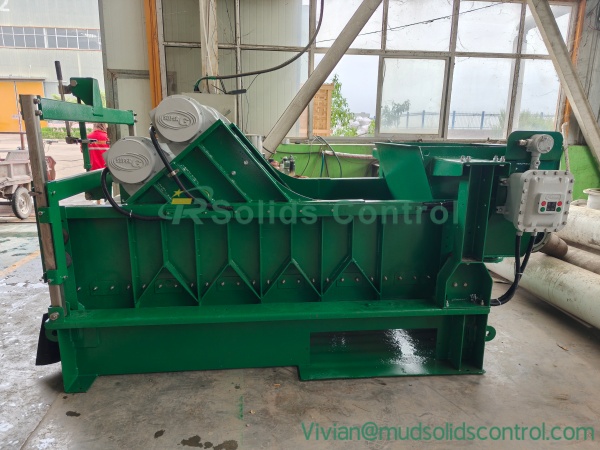
2. Premature Screen Damage
- Symptoms: Tears, broken mesh, frame cracks; Frequent screen replacements
- Causes: Over-tensioning; Feeding heavy cuttings directly; Using incompatible screen types
- Solutions: Follow proper screen tensioning steps; Install flow distribution box or buffer plate; Use screens recommended by equipment manufacturer
3. Abnormal Vibration
- Symptoms: Excessive shaking; Loud noise or motor overheating
- Causes: Imbalanced vibrator motors; Worn bearings; Loose mounting bolts
- Solutions: Check motor rotation direction and phase;Inspect bearings and replace if needed;Re-torque all structural fasteners
4. Poor Separation Performance
- Symptoms: Solids bypassing the screen; Mud quality not meeting requirements
- Causes: Wrong screen mesh; Low deck angle; Worn vibration motors
- Solutions: Use suitable mesh and panel type; Adjust deck angle to recommended range; Verify G-force output from motor assembly
5. Uneven Flow Distribution
- Symptoms: One side overloaded; Dry zone and flood zone on same panel
- Causes: Improper positioning of feed pipe; Inconsistent tank level; Unstable pump output
- Solutions: Center the feed inlet; Maintain steady tank level; Use flow control valves or replace faulty pump
6. Motor Overheating
- Symptoms: Hot casing; Thermal trips
- Causes: Wrong voltage; Unbalanced load; Blocked ventilation
- Solutions: Verify power supply; Inspect eccentric weights; Clean motor cooling system
7. Excessive Wear on Shaker Deck
- Symptoms: Deck grooves, corrosion, bolt loosening
- Causes: Using incompatible screen frame materials; High G-force operation over long periods
- Solutions: Install rubber deck seals or cushions; Reduce vibration settings within equipment limits
Conclusion
Understanding common shale shaker common problems helps drilling teams diagnose faults quickly and maintain stable operation. Regular inspection, proper screen selection, and correct installation all play a key role in preventing downtime and improving solids control efficiency.
Shale Shaker Installation Standards: A Practical Guide for Safe and Efficient Setup
When setting up a solids control system, following proper shale shaker installation standards is essential for achieving stable performance, long equipment life, and safe operation. In this guide, we break down the key requirements that drilling teams should follow during shaker installation, from foundation preparation to final commissioning.

1. Site Preparation
- A correct installation starts with a proper base.
- The mounting platform must be flat, rigid, and reinforced.
- Avoid installing the shaker on loose or vibrating structures.
- Ensure enough space around the unit for screen replacement, cable routing, and maintenance access.
2. Structural Alignment Requirements
- Correct alignment keeps the shaker running smoothly.
- The shaker bed must be installed horizontally unless manufacturer guidelines specify an angle.
- Check that the vibrator motors are aligned and securely fastened.
- Perform a torque check on all structural bolts.
3. Vibration Isolation Standards
- Install rubber or composite isolation pads under each support point.
- Confirm pads are evenly loaded and not twisted.
- Ensure the shaker doesn’t touch nearby structures during operation.
4. Electrical & Control System Setup
- Electrical work must follow industrial safety codes.
- Use correctly rated cables, breakers, and connectors.
- Ensure all electrical components are sealed and designed for the field environment.
- Verify motor rotation direction before adding mud.

5. Fluid Handling Connections
- Proper fluid connections ensure efficient solids separation.
- Position the feed manifold so drilling mud enters smoothly without splashing.
- Confirm the discharge outlets align with mud tanks or flowlines.
- Avoid restricting the return flow or screen surface.
6. Final Commissioning Standards
- Run the shaker empty to check for abnormal noise or imbalance.
- Confirm screen tensioning is correct and uniform.
- Verify all guards, covers, and safety devices are secured.
Conclusion
Following the correct shale shaker installation standards ensures stable performance, reduces downtime, and supports smooth drilling operations. A proper installation doesn’t just protect the equipment—it helps maintain consistent solids control efficiency and safer site operations.
Key Factors Affecting Shale Shaker Price in Solids Control and Drilling Operations
When selecting solids control equipment, understanding the factors affecting shale shaker price helps buyers make better decisions. A shale shaker plays a crucial role in drilling mud separation, and its cost varies depending on structure, performance level, components, and technical support. Below is a detailed explanation of the main elements that influence pricing in the market.
1. Design Type and Motion Mode
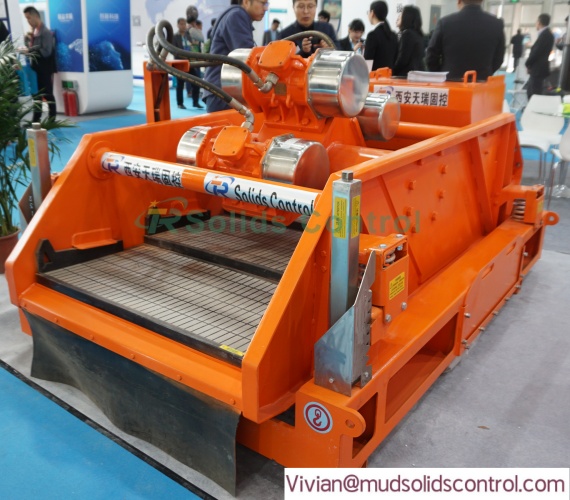
Common Designs: Linear motion shale shaker. Balanced elliptical motion shaker
Why it affects price: Linear motion units generally require stronger motors and heavier structures. Elliptical motion units need more precise engineering design.
Shakers with adjustable deck angle, higher G-force, or dual/triple deck configurations increase the price accordingly.
2. Vibration Motor Quality and Power
- Motor brand and origin
- Power rating (e.g., 1.72 kW / 2.2 kW / 2×3.0 kW)
- Protection level (IP55 / IP65 / explosion-proof level)
- Service life and vibration stability
High-quality motors provide stronger vibration, longer operation hours, and lower maintenance cost.
3. Screen Type and Quality
Shaker screens are consumable parts, and their cost directly impacts the overall equipment price.
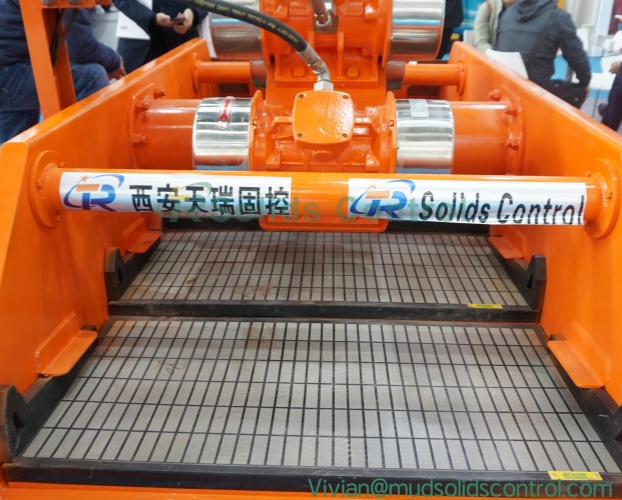
- Mesh precision
- Frame material
- Layer structure
- API compliance
4. Material and Manufacturing Process
- Carbon steel vs. stainless steel
- Welded vs. laser-cut components
- Rubber springs vs. metal springs
- Coating quality for corrosion resistance
Manufacturers using precision welding, CNC cutting, and high-strength frames will offer more durable shakers but at a higher price range.
5. Processing Capacity and Technical Specifications
Larger and more advanced shale shakers naturally cost more. Bigger capacity means stronger structure and higher power motors, which increases cost.
6. Brand, Service, and Technical Support
Reliable manufacturers offer stronger technical support and spare parts supply. A well-established supplier provides better stability and more professional service, which also reflects in the price.
7. Market Demand and Application Industry
Oilfield-grade equipment often requires higher vibration performance, stronger structure, and better corrosion resistance—leading to higher cost compared to light-duty applications.
Understanding the factors affecting shale shaker price helps buyers choose the right equipment according to their specific needs, application conditions, and budget. Performance, reliability, and long-term maintenance cost should always be considered—not just the initial purchase price.
Understanding the Working Principle of Shale Shaker in Solids Control Systems
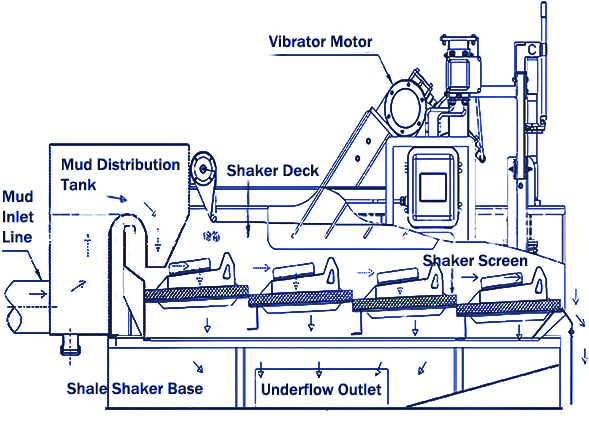
The shale shaker is the first and most important stage of solids control in drilling operations. To ensure stable performance, it is essential to understand the shale shaker working principle, including how vibration force, screen mesh, and motion mode function together to remove solids from drilling mud.
Basic Working Principle of Shale Shaker
The process includes four key steps:
- Vibration Force Generated by Motors: Two vibration motors rotate in opposite directions, producing a strong vibration force. This vibration drives the screen deck to move, conveying cuttings forward and allowing fluid to pass through the mesh.
- Separation Through Screen Mesh: Drilling mud flows onto the screen surface. Liquid phase passes through the screen openings. Solid cuttings are retained and discharged off the shaker deck.
- Conveying of Solids: Under continuous vibration, the cuttings move toward the discharge end. The motion type (linear, elliptical, or circular) affects conveying speed and dryness of cuttings.
- Clean Mud Recycling:After passing through the screen, the cleaned mud flows into the tank below and is reused in drilling operations.
Motion Modes in the Shale Shaker Working Principle
Different shale shakers adopt different vibration motions:
- Linear Motion: Strong vibration force. Fast conveying speed. Suitable for heavy mud and large flow capacity
- Balanced Elliptical Motion: Smooth movement. Better performance for fine screens. Suitable for stable drilling and light mud
Main Components Affecting the Working Principle
- Vibration Motors: Core driving units that generate the required G-force for screening.
- Screen Panels: Available in composite frame or steel frame; mesh size from API 20 to API 325.
- Screen Deck Angle: Adjusting the deck angle changes cuttings dryness and processing capacity.
- Mud Distribution System: Ensures drilling fluid spreads evenly onto the screen surface.
All components work together to achieve efficient separation.
Factors Influencing the Separation Effect
- Screen mesh size and quality
- Vibration G-force
- Deck angle adjustment
- Mud viscosity and density
- Fluid flow rate
The shale shaker working principle is based on vibration-driven screening that efficiently removes solids from drilling mud. By understanding how vibration motors, screens, and motion modes function, operators can improve separation quality and ensure stable drilling operations.
TR Solids Control continues to supply reliable shale shakers with stable performance, advanced structure, and long service life for global customers.
Main Uses of Shale Shaker in Drilling and Industrial Solids Control Applications
The shale shaker—key to solids control—handles first-stage solid-liquid separation, removing large cuttings/particles from drilling mud/process fluids. Understanding its uses aids in selecting solutions to boost efficiency, reduce waste, and protect downstream equipment.
China-based professional supplier TR Solids Control offers reliable shale shakers for oil/gas drilling, mining, tunneling, and environmental treatment.
1. Shale Shaker in Oil and Gas Drilling
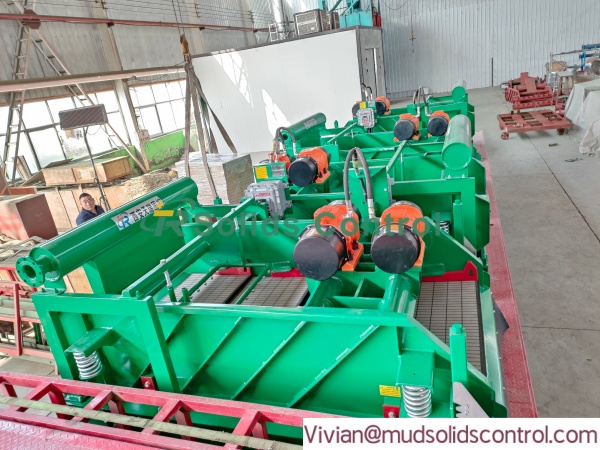
The main use of shale shaker is in oil and gas drilling operations. It performs the primary separation of drilling cuttings from the circulating drilling fluid.
- Removes large solids and prevents them from re-entering the mud circulation.
- Reduces mud viscosity and density.
- Protects centrifuges, desanders, and desilters from overload.
- Improves drilling rate and reduces wear on pumps and pipelines.
A high-performance oilfield shale shaker ensures stable drilling operations, lower mud treatment costs, and longer equipment life.
2. Shale Shaker in Mining and Mineral Processing
- Separation of fine ore particles from slurry.
- Dewatering of mineral concentrate.
- Recycling of water in closed-loop systems.
3. Shale Shaker in HDD (Horizontal Directional Drilling)
- Improves borehole stability and mud reuse efficiency.
- Reduces environmental impact by minimizing waste discharge.
- Extends the lifespan of mud pumps and mixing equipment.
4. Shale Shaker in Tunnel Boring and Piling Projects
- Reduces slurry disposal cost.
- Improves slurry circulation and stability.
- Ensures cleaner operations and compliance with environmental standards.
5. Shale Shaker in Environmental and Waste Management
- Separation of suspended solids from industrial wastewater.
- Dewatering of sludge in oil refinery and chemical plants.
- Treatment of contaminated soil and waste mud.
6. Why Choose TR Solids Control Shale Shakers
- API & ISO certified production.
- Adjustable G-force and deck angle design.
- Durable composite frame screens for long service life.
- Modular design for easy integration with mud systems.
- Strong after-sales service and spare parts supply.
TR shale shakers have been exported to over 40 countries, serving oilfields, construction projects, and environmental protection industries worldwide.
7. Conclusion
The uses of shale shaker go far beyond oil drilling—it plays a key role in various industries requiring efficient solids-liquid separation.From drilling mud treatment to mining and environmental management, shale shakers contribute to cleaner operations, cost savings, and environmental protection.
With its advanced design and reliable quality, TR Solids Control continues to provide customized shale shaker solutions for global customers.