Tag Archives: Drilling Shale Shaker
M-I SWACO Shakers: Reliable Drilling Solids Control
M-I SWACO Shakers are a staple in the drilling industry, delivering reliable solids separation for onshore, offshore, and geothermal projects. As a vital part of mud management systems, they separate cuttings from drilling fluid, preserve fluid properties, and support operational efficiency and environmental compliance. Valued for adaptability across diverse drilling conditions, these shakers require compatible, high-performance complementary or replacement equipment—and TR Solids Control provides engineered solutions that meet industry standards and integrate seamlessly with M-I SWACO systems.
M-I SWACO Shakers deliver robust, consistent performance that underpins effective solids control workflows. Leveraging precision vibration technology and durable screens, they efficiently remove cuttings of all sizes—from fine sand to coarse rock—maintaining drilling mud viscosity and cleanliness for optimal operations. Whether as a primary separator or part of a multi-stage system, these shakers reduce downtime, cut operational costs, and minimize environmental impact, making them a globally popular choice for drilling projects.
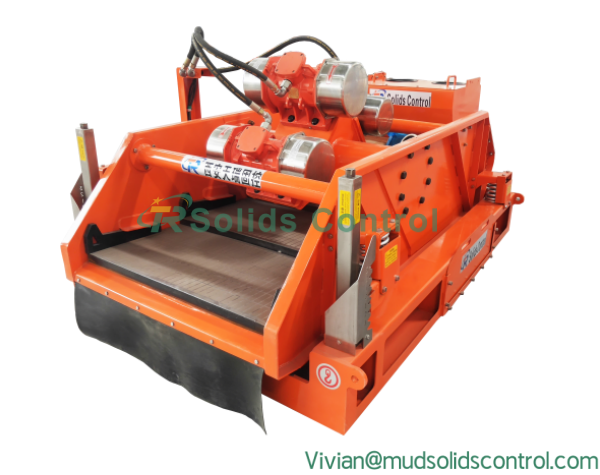
Compatibility is critical for operators upgrading solids control setups or replacing aging units—and TR Solids Control delivers fully compatible shale shakers for M-I SWACO systems. Every component—frame dimensions, vibration frequency, screen mounts, and fluid flow paths—is engineered to match M-I SWACO specifications, ensuring seamless integration without costly rig modifications. Whether expanding fleets or replacing worn units, TR’s solutions offer the same reliability and performance M-I SWACO Shakers are known for.
Beyond compatibility, TR Solids Control shale shakers embody the durability and adaptability central to quality solids control equipment. Built with high-strength materials for harsh drilling conditions, they feature premium vibration motors for stable performance and a range of screen options to handle diverse drilling fluids and cuttings sizes. Maintenance-friendly design—with accessible components and quick-release screen mechanisms—minimizes routine downtime, keeping drilling operations on track.
TR Solids Control compatibility focus goes beyond hardware: its team collaborates closely with clients to address operational needs—from high-volume offshore rigs to small-scale onshore projects using M-I SWACO Shakers. This client-centric approach tailors each compatible shale shaker to unique demands, such as corrosive fluids or extreme temperatures. Plus, comprehensive technical support for installation, calibration, and troubleshooting helps operators maximize integrated solids control system performance.
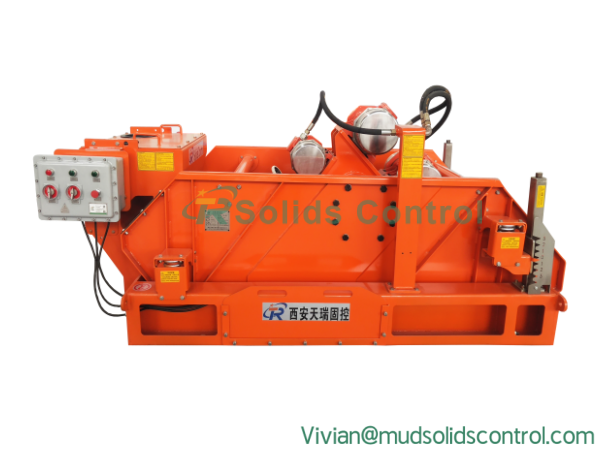
In an industry where efficiency and reliability are paramount, M-I SWACO Shakers are trusted solids control solutions. For operators looking to extend their system value or source reliable replacements, TR Solids Control delivers fully compatible shale shakers—precision-engineered, durable, and client-focused—to ensure seamless integration, consistent performance, and cost-effective, compliant drilling operations.
To sum up, M-I SWACO Shakers remain a cornerstone of effective solids control in drilling, and TR Solids Control has the capability to produce shale shakers that are completely with these systems. Whether you’re looking to expand your solids control fleet, replace outdated equipment, or optimize your existing setup, TR Solids Control compatible shale shakers offer a reliable, seamless solution that aligns with the performance and specifications of M-I SWACO Shakers.
Mud Shale Shaker for Efficient Drilling Solids Control
Mud shale shakers are the first and most critical link in drilling mud solids control systems: they separate cuttings from drilling fluid, maintain mud properties, and ensure smooth drilling operations. Well-designed units directly impact efficiency, cost management, and environmental compliance across onshore, offshore, and geothermal projects—making a trusted supplier a key choice for drilling contractors prioritizing stable performance.
Effective solids control relies on precision-engineered mud shale shakers—and TR Solids Control is a leading provider of customized solutions in this space. Our shakers prioritize durability and separation accuracy, boasting a high-strength steel frame for harsh drilling conditions and premium vibration motors for stable, optimal cuttings removal. With a range of screen sizes to handle diverse fluids and cuttings (from fine sand to coarse rock), they ensure drilling mud meets your exact operational standards.
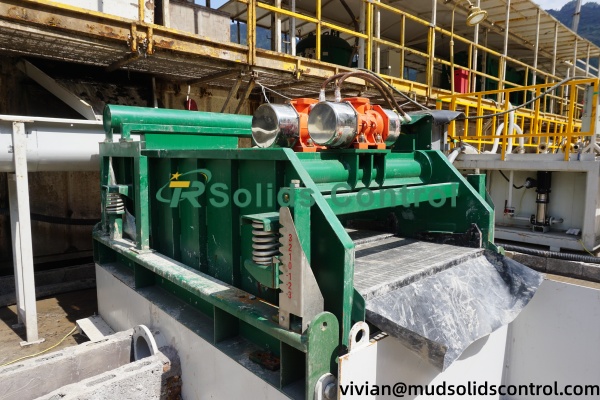
A key advantage of TR Solids Control’s mud shale shakers is their exceptional adaptability to diverse drilling scenarios. Configurable with dual/triple decks for high-volume operations enabling uninterrupted mud recovery and available as compact modular units for space-constrained sites offshore platforms, compact onshore locations, they retain full functionality while maximizing efficiency. Plus, hassle-free maintenance features—quick-release screen clamping and accessible lubrication points—minimize downtime.
Beyond top-tier hardware, TR Solids Control offers comprehensive technical support for its mud shale shakers. Our team partners closely with clients to address unique drilling challenges—high-temperature wells, corrosive fluids, remote sites—and recommends tailored configurations. This customer-centric approach ensures each shaker meets industry standards and project-specific needs, delivering lasting value and reliable performance.
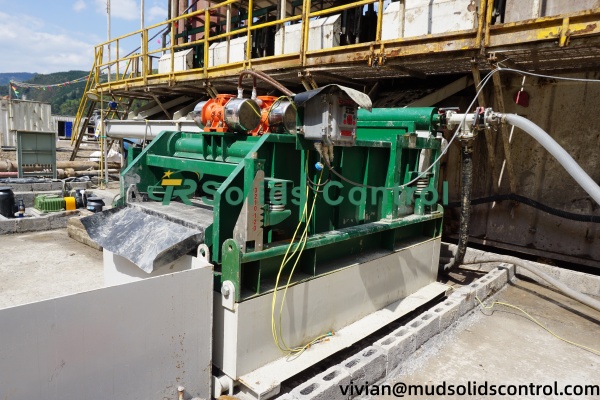
In today’s competitive oilfield industry, efficient drilling mud recovery is critical. High-quality mud shale shakers reduce fresh mud purchases, cut waste disposal costs, and support environmental compliance by minimizing contaminated fluid discharge. Committed to innovation, TR Solids Control equips its shakers with the latest vibration technology and material science advances to deliver consistent, high-performance solids separation.
Whether you’re upgrading an existing solids control system or outfitting a brand-new drilling project, TR Solids Control’s mud shale shakers deliver the reliability, efficiency, and adaptability needed to support your operational goals.
With a focus on quality engineering and close customer collaboration, TR remains a trusted partner for drilling professionals who depend on high-performance mud shakers to get the job done right—especially when it matters most.
Linear Motion Shale Shaker for Efficient Drilling Mud Treatment
Linear Motion Shale Shaker is one of the core components of modern solids control systems. It is widely used in oilfield drilling, HDD projects, and other mud treatment applications. With its strong linear vibration force and high processing capacity, the Linear Motion Shale Shaker plays a key role in improving drilling mud quality and ensuring smooth drilling operations.
What Is the Linear Motion Shale Shaker?
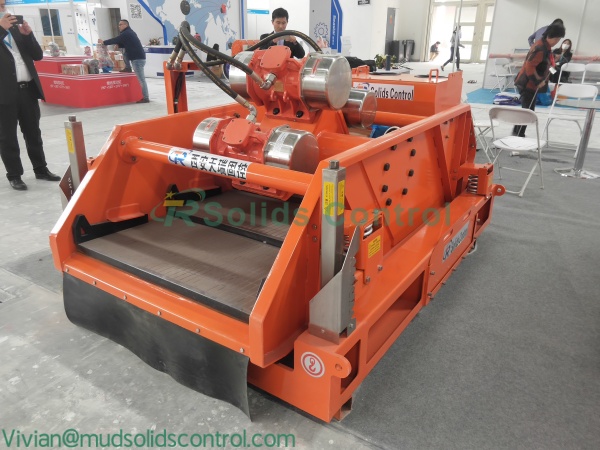
Linear Motion Shale Shaker uses two vibration motors rotating in opposite directions to create a straight-line vibration trajectory. This linear motion conveys cuttings rapidly toward the discharge end, helping the shaker handle large flow rates and heavy drilling mud. Key Features:①Stable linear vibration ②Fast solids conveying ③High G-force output ④Suitable for water-based and oil-based mud. Compared with elliptical or circular motion shakers, the linear type offers stronger processing capability.
Working Principle of the Linear Motion Shale Shaker
- Step 1: Mud Distribution: Drilling mud enters the feeder and spreads evenly onto the screen surface.
- Step 2: Linear Vibration: Dual motors create strong linear motion, shaking solids off the fluid.
- Step 3: Screening & Separation: Liquid passes through the screen mesh. Solids travel forward and discharge at the front outlet.
- Step 4: Clean Mud Recovery: Clean mud flows into the tank below for reuse in the drilling circulation system.
This continuous separation ensures drilling efficiency and reduces equipment wear.
Advantages of Using Linear Motion Shale Shakers
- High Processing Capacity: Linear vibration handles larger flow rates than other vibration modes.
- Better Cuttings Dryness: Stronger vibration improves solid discharge and reduces fluid loss.
- Wide Application Range: Works well with high-viscosity and heavy mud.
- Easy Screen Replacement: Quick-lock screen system reduces downtime.
- Stable Performance in Harsh Conditions: Suitable for deep drilling, high solids mud, and fast drilling speed.
TR Solids Control Linear Motion Shale Shaker Models
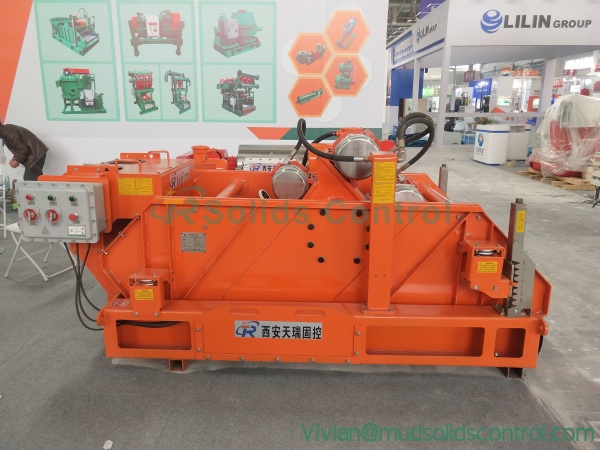
- TRZS583 Series: 3-panel shaker; High capacity (up to 150 m³/h); Widely used in medium and large drilling rigs.
- TRZS584 Series: Compact 4-panel design; Suitable for small to medium drilling projects.
- Custom Designs: Optional explosion-proof motors; Adjustable deck angle; Different screen mesh options (API 20–325).
How to Select Linear Motion Shale Shaker
- Required flow rate
- Mud type (WBM/OBM)
- Screen type and mesh selection
- Available deck angle adjustment
- Site installation space
- Power and voltage requirements
TR Solids Control can provide customized solutions based on your drilling needs.
The Linear Motion Shale Shaker is a powerful and reliable tool for mud treatment in drilling and industrial separation systems. Its strong vibration, high capacity, and consistent separation performance make it essential for modern solids control operations.
Mud Shale Shaker Overview: Functions, Benefits, and Selection Tips for Solids Control Systems
The mud shale shaker is the primary solids control device used in drilling fluid circulation systems. As the first-stage separation equipment, the mud shale shaker removes large cuttings and unwanted solids from drilling mud, ensuring cleaner fluid and stable drilling performance. Understanding how mud shale shaker works and how to choose the right model is essential for efficient mud management.
What Is the Mud Shale Shaker?
The mud shale shaker is a vibrating screen machine designed to separate solid particles from drilling fluid using vibration force and screen mesh.
Its core components include: Vibration motors; Screen panels (composite or steel frame); Screen deck; Feeding box; Discharge chute; Base and shock absorbers.
The shaker ensures continuous removal of solids and prevents high solids content from damaging pumps or causing drilling complications.
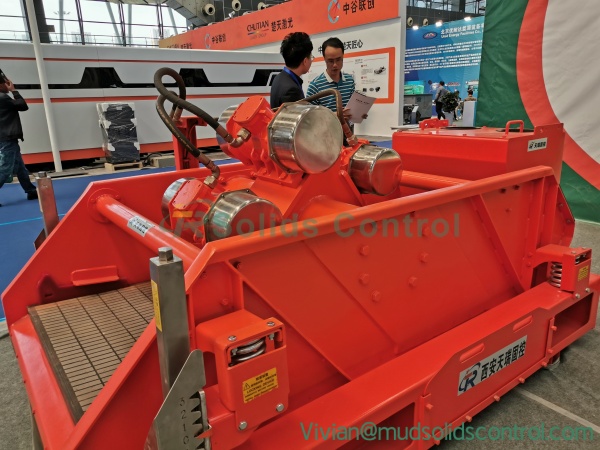
Working Principle of Mud Shale Shaker
The working mechanism is based on vibration-driven screening:
- Step 1 — Vibration Force Generation: Dual motors create strong linear or elliptical motion.
- Step 2 — Mud Distribution: Drilling mud enters the screen surface through a feed box.
- Step 3 — Screening Process: Liquid passes through the mesh. Solids remain on the screen surface and move toward the discharge end.
- Step 4 — Clean Mud Recycling: Treated mud flows into the tank below and returns to the well.
Main Functions of a Mud Shale Shaker
- Removes harmful solids: Reduces solids concentration and stabilizes rheological properties.
- Protects downstream equipment: Prevents blockages and excessive wear in desanders, desilters, and centrifuges.
- Improves drilling speed: Cleaner mud helps maintain optimal drilling conditions.
- Reduces mud cost: Efficient screening lowers the consumption of chemicals and additives.
- Supports environmental compliance: Reduces waste volume and facilitates recycling.
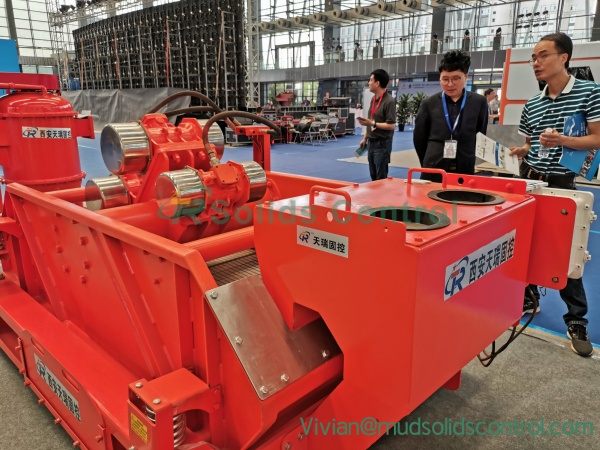
Types of Mud Shale Shakers
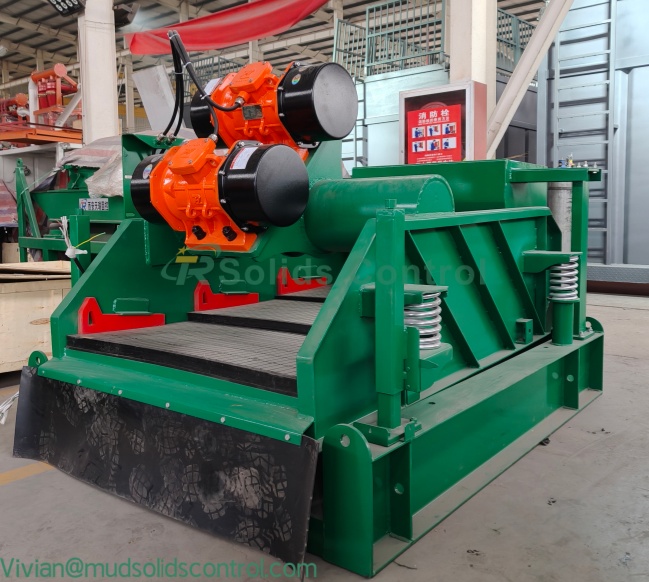
- Linear Motion Shale Shaker: Strong vibration; High handling capacity; Suitable for oil & gas drilling.
- Balanced Elliptical Motion Shale Shaker: Smoother vibration; Better for fine mesh; Ideal for stable drilling and HDD.
- Double-layer Mud Shale Shaker: Two screening decks; Higher separation efficiency; Suitable for projects requiring fine and coarse screening simultaneously.
- High-G Drying Shaker: Used to reduce oil or water on cuttings; Often applied in waste management systems.
The mud shale shaker plays a crucial role in maintaining drilling fluid quality and ensuring efficient solids control. By understanding its functions, working principles, and selection criteria, operators can significantly improve drilling performance and reduce operational costs.
How to Choose the Right Drilling Shale Shaker for Your Solids Control System
Selecting the right drilling shale shaker (critical first-stage solids control device) is key to improving mud quality, cutting costs, and ensuring stable drilling. This guide outlines core selection criteria for drilling contractors/engineers to match mud volume, drilling depth, and working conditions.
1.Determine Required Processing Capacity
The processing capacity should match the actual mud return rate of the drilling operation. Consider: Well depth; Drilling pump flow rate; Mud density & viscosity; Expected drilling cuttings volume.
A shale shaker with insufficient capacity will overload easily, causing fluid loss and poor separation.

2. Choose an Appropriate Vibration Mode
Common vibration types include:
● Linear Motion Shale Shaker: Strong vibration; Fast conveying speed; Suitable for high-volume or weighted mud.
● Balanced Elliptical Motion: Smooth movement; Better performance with fine mesh screens; Suitable for stable drilling conditions.
Matching the vibration mode to mud properties helps achieve efficient separation.
3. Evaluate the Screen Type and API Rating
- Screen frame type: composite frame, steel frame
- Mesh size: API 20–API 325
- Screen layer structure: single, dual, or multi-layer
- Durability and resistance to abrasion
Composite screens generally offer longer service life and better separation performance.
4. Check G-Force and Adjustable Settings
The G-force of the shaker affects its ability to handle high-density and high-viscosity fluids. Higher G-force advantages:
- Faster solids removal
- Better screen cleaning
- Suitable for challenging drilling conditions
Adjustable deck angle and G-force allow operators to fine-tune performance for different mud types.
5. Consider Equipment Structure and Maintenance Needs
A good shale shaker should offer:
- Easy screen replacement
- Stable vibration system
- Durable deck construction
- Reliable electrical control components
- Shock-absorbing spring or rubber supports
Lower maintenance requirements reduce downtime and operational costs.
6. Ensure Compatibility with the Solids Control System
Before final selection, confirm that the shaker matches the system layout: Mud tank dimensions; Flow line height; Hydrocyclone feed arrangement; Space for installation and maintenance. Proper integration ensures smooth mud circulation.
Understanding how to choose a drilling shale shaker helps drilling teams improve solids control performance, reduce mud cost, and maintain safe operations. By considering capacity, vibration mode, screen selection, G-force, and equipment structure, users can select a shaker that fits their drilling conditions effectively.
Understanding the Advantages and Applications of Mud Double-Layer Shale Shaker
The mud double-layer shale shaker plays a key role in modern drilling solids control systems. Its two-stage screening design enhances separation efficiency, reduces mud loss, and ensures cleaner drilling fluid for stable drilling operations.
This article explains what a double-layer shale shaker is, how it works, and why many drilling contractors choose this configuration for demanding mud conditions.
1. What Is a Mud Double-Layer Shale Shaker?
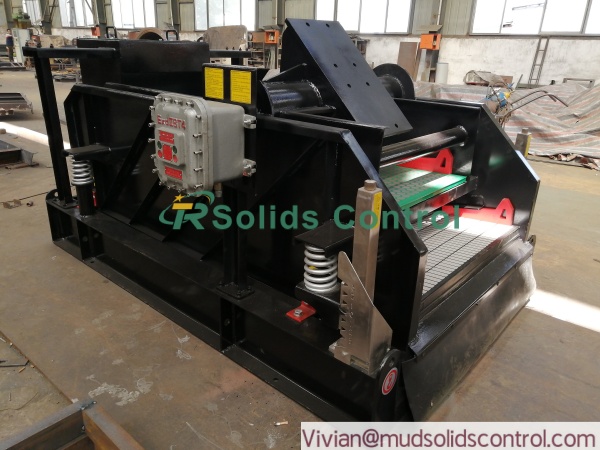
A double-layer shale shaker uses two screen decks arranged vertically. The upper deck is used for coarse screening. The lower deck performs fine screening for deeper separation. Compared with a single-layer shaker, this design provides higher processing capacity and improved solids removal efficiency.
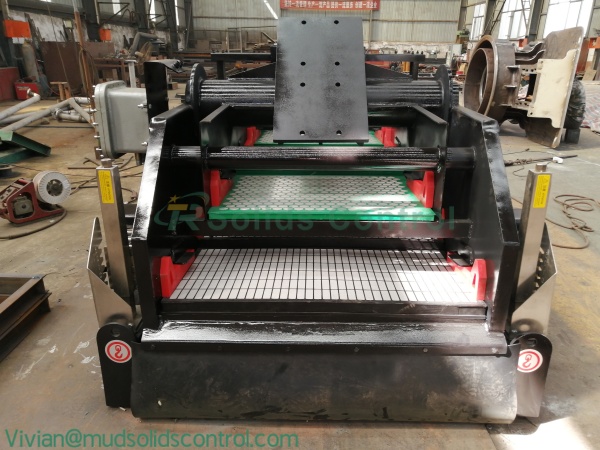
2. Working Principle of Double-Layer Structure
The shaker operates based on vibration screening:
- Drilling mud enters the upper screen deck.
- Larger solids are removed, allowing partially cleaned mud to flow to the lower deck.
- Fine particles are separated on the lower mesh.
- Clean mud enters the tank for reuse.
This two-stage system ensures stable, continuous mud recycling.
3. Key Features of a Mud Double-Layer Shale Shaker
- Higher processing capacity due to increased screen area
- Better separation accuracy with dual-screen operation
- Reduced mud loss and improved drilling fluid quality
- Flexible mesh selection for different solids sizes
- Stable performance in heavy mud and high-viscosity drilling conditions
- Compact structure, suitable for limited rig space
Many double-layer shakers also support quick screen replacement to minimize downtime.
4. Applications in Drilling Projects
- Oil and gas drilling
- Horizontal directional drilling (HDD)
- Tunnel boring separated slurry treatment
- Mining and dewatering processes
- Environmental slurry recycling
5. Comparison with Single-Layer Shale Shaker
| Item | Single-Layer | Double-Layer |
| Screen Decks | 1 | 2 |
| Capacity | Standard | Higher |
| Fine Separation | Medium | Strong |
| Mud Loss | Higher | Lower |
| Space Requirement | Smaller | Slightly larger |
| Ideal For | Stable drilling | Complex/Heavy mud |
If the project requires efficient solids separation or deals with challenging mud properties, a double-layer design is often preferred.
6. Advantages Provided by TR Solids Control
- High-strength vibration motors
- API-compliant composite screens
- Adjustable screen deck angle
- Modular structure for easy integration
- Reliable after-sales service and parts supply
- Our double-layer units are widely used in domestic and international drilling projects.
7. Conclusion
A mud double-layer shale shaker provides enhanced separation, better drilling fluid quality, and stable performance under demanding conditions. Its dual-screen structure makes it an excellent choice for drilling contractors seeking efficient solids control and reduced mud consumption.
Shale Shaker Screen Types: Understanding the Options for Efficient Solids Control
Choosing the right shale shaker screen types is essential for achieving efficient solids control and stable drilling fluid performance. Different screens vary in structure, material, and mesh configuration, and each screen type serves specific drilling conditions. Understanding these differences helps operators select screens with better durability, separation accuracy, and cost-effectiveness.
1. Steel Frame Screens
Steel frame screens are widely used due to their sturdy construction.
Features: Strong metal frame; Suitable for high-load operations; Good torsional strength
Best for: Projects requiring strong support and stable performance under heavy solids flow.
2. Composite Frame Screens
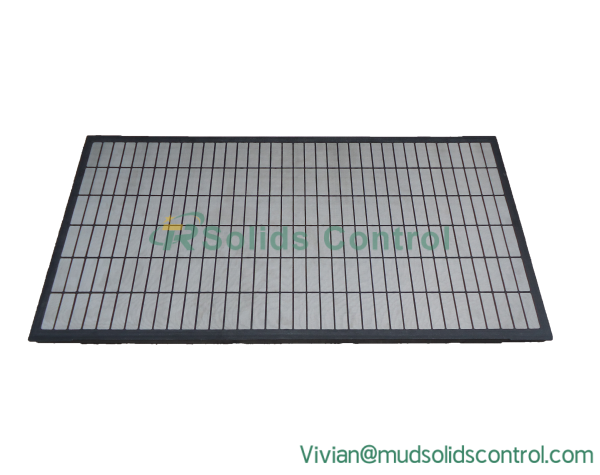
Composite screens are becoming increasingly common in modern rigs.
Features: Lightweight composite material; Higher usable mesh area; Better corrosion resistance; Longer lifespan in harsh environments
Best for: Operators seeking improved durability and reduced screen replacement frequency.
3. Hook-Strip Screens
Hook-strip screens are easy to install and replace.
Features: Side-hook connection; Suitable for older shaker models; Cost-effective design
Best for: Rigs using hook-strip tensioning systems or requiring quick screen swaps.
4. Pretensioned Screens
Pretensioned screens offer stable mesh tension and improved separation.
Features: Factory-tensioned mesh; Consistent performance; Compatible with many modern shakers
Best for: Environments where fine solids removal is critical.
5. Dual-Layer and Triple-Layer Screens
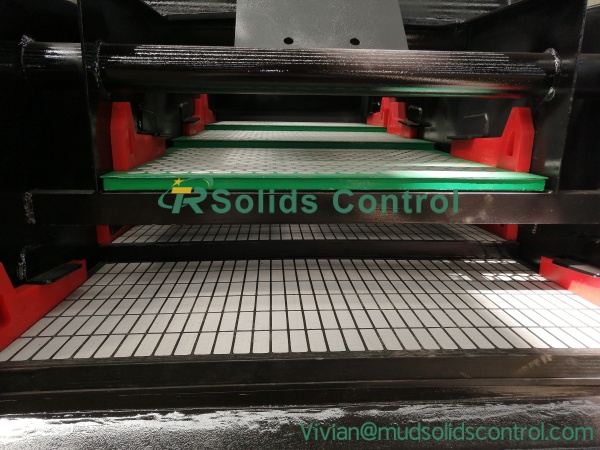
These screens increase screening efficiency with multiple mesh layers.
Features: Multiple fine-mesh layers; Improved cuttings removal; Better handling of fine solids
Best for: Wells with high viscosity mud or fine solid content.
6. Specialty Screens
Some drilling sites require screens engineered for unique conditions.
Common variations include:High-temperature resistant screens; Anti-blocking screens; Corrosion-resistant screens
Best for: Unconventional wells or harsh environments requiring enhanced durability.
Conclusion
Understanding different shale shaker screen types helps drilling teams make informed decisions based on cost, performance, and durability requirements. By choosing appropriate screens—whether composite, steel frame, API-rated, or multi-layer—operators can achieve more stable solids control and reduce operational downtime.
Shale Shaker Performance Comparison: Understanding the Key Differences
Conducting a shale shaker performance comparison is essential for operators who want to improve drilling fluid treatment efficiency. By analyzing parameters such as G-force, screen area, deck design, vibration modes, and processing capacity, you can better understand how different shale shaker models behave in real-world drilling environments.
1. Vibration G-Force
G-force affects how effectively solids are conveyed across the screen.
- Higher G-force → stronger conveying power and better drying of cuttings
- Lower G-force → reduced motion, suitable for fragile screens or gentle operations
Shakers using adjustable G-force allow more flexible operation across various drilling conditions.
2. Screen Area & Layout
Screen area is a critical element in a shale shaker performance comparison.
- A larger screen area supports higher flow rate
- Optimized screen layout (single-layer or multi-layer) enhances separation quality
Some modern units use composite screens to increase usable area and extend screen life.
3. Deck Angle Adjustability
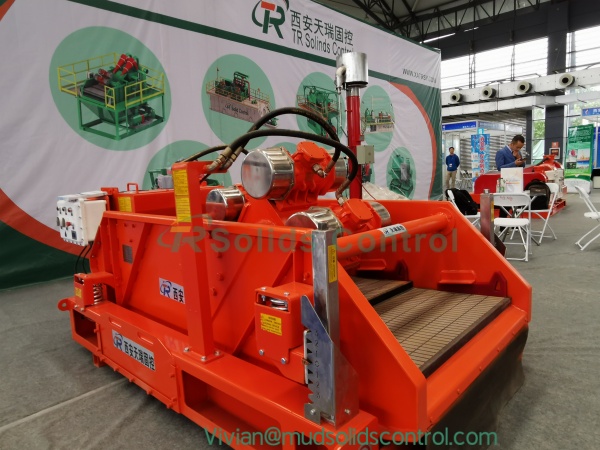
Deck angle determines fluid pool depth and cuttings movement speed.
- A steeper angle improves solids discharge
- A flatter angle increases fluid retention time
Shakers featuring quick manual or hydraulic angle adjustment provide better control over changing mud properties.
4. Vibration Mode: Linear vs. Balanced Elliptical
Different vibration modes influence separation performance:
- Linear motion → powerful conveying, ideal for heavy solids and high-volume mud
- Balanced elliptical motion → smoother movement, suitable for fine solids removal
Operators often compare these modes when selecting equipment for specific drilling applications.
5. Processing Capacity
Capacity is defined by how much mud the shaker can handle per hour. Key influencing factors:
- Screen API rating
- G-force output
- Flow distribution design
- Motor power
A clear performance comparison helps determine which model meets the required operational throughput.
6. Screen Type Compatibility
Screen performance directly affects the shaker’s efficiency. Common differences include:
- Composite vs. steel frame
- API mesh rating
- Panel support design
Choosing a shaker compatible with widely available screens reduces operating cost and improves flexibility.
7. Energy Consumption
Energy efficiency is becoming a key evaluation point.
- Motors with optimized power usage lower overall cost
- Efficient vibration mechanisms reduce wear and extend equipment life
This factor often separates older shakers from modern designs.
Conclusion
A well-structured shale shaker performance comparison provides clear insights into how different models operate and which parameters matter most for solids control. By evaluating screen area, vibration force, deck angle, capacity, and energy usage, drilling teams can select equipment that aligns with their mud characteristics and operational demands.
Shale Shaker Installation Standards: A Practical Guide for Safe and Efficient Setup
When setting up a solids control system, following proper shale shaker installation standards is essential for achieving stable performance, long equipment life, and safe operation. In this guide, we break down the key requirements that drilling teams should follow during shaker installation, from foundation preparation to final commissioning.

1. Site Preparation
- A correct installation starts with a proper base.
- The mounting platform must be flat, rigid, and reinforced.
- Avoid installing the shaker on loose or vibrating structures.
- Ensure enough space around the unit for screen replacement, cable routing, and maintenance access.
2. Structural Alignment Requirements
- Correct alignment keeps the shaker running smoothly.
- The shaker bed must be installed horizontally unless manufacturer guidelines specify an angle.
- Check that the vibrator motors are aligned and securely fastened.
- Perform a torque check on all structural bolts.
3. Vibration Isolation Standards
- Install rubber or composite isolation pads under each support point.
- Confirm pads are evenly loaded and not twisted.
- Ensure the shaker doesn’t touch nearby structures during operation.
4. Electrical & Control System Setup
- Electrical work must follow industrial safety codes.
- Use correctly rated cables, breakers, and connectors.
- Ensure all electrical components are sealed and designed for the field environment.
- Verify motor rotation direction before adding mud.

5. Fluid Handling Connections
- Proper fluid connections ensure efficient solids separation.
- Position the feed manifold so drilling mud enters smoothly without splashing.
- Confirm the discharge outlets align with mud tanks or flowlines.
- Avoid restricting the return flow or screen surface.
6. Final Commissioning Standards
- Run the shaker empty to check for abnormal noise or imbalance.
- Confirm screen tensioning is correct and uniform.
- Verify all guards, covers, and safety devices are secured.
Conclusion
Following the correct shale shaker installation standards ensures stable performance, reduces downtime, and supports smooth drilling operations. A proper installation doesn’t just protect the equipment—it helps maintain consistent solids control efficiency and safer site operations.
Key Factors Affecting Shale Shaker Price in Solids Control and Drilling Operations
When selecting solids control equipment, understanding the factors affecting shale shaker price helps buyers make better decisions. A shale shaker plays a crucial role in drilling mud separation, and its cost varies depending on structure, performance level, components, and technical support. Below is a detailed explanation of the main elements that influence pricing in the market.
1. Design Type and Motion Mode
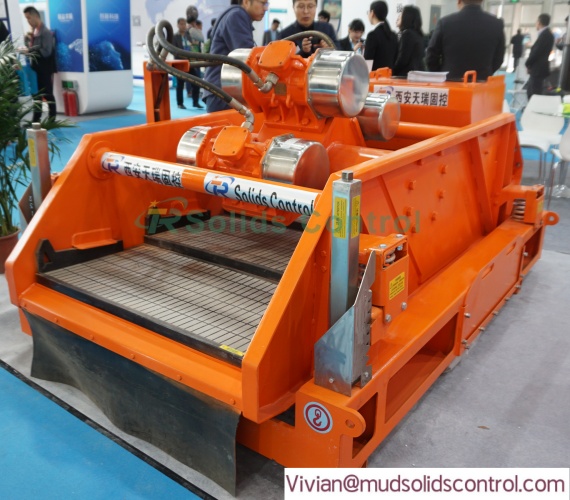
Common Designs: Linear motion shale shaker. Balanced elliptical motion shaker
Why it affects price: Linear motion units generally require stronger motors and heavier structures. Elliptical motion units need more precise engineering design.
Shakers with adjustable deck angle, higher G-force, or dual/triple deck configurations increase the price accordingly.
2. Vibration Motor Quality and Power
- Motor brand and origin
- Power rating (e.g., 1.72 kW / 2.2 kW / 2×3.0 kW)
- Protection level (IP55 / IP65 / explosion-proof level)
- Service life and vibration stability
High-quality motors provide stronger vibration, longer operation hours, and lower maintenance cost.
3. Screen Type and Quality
Shaker screens are consumable parts, and their cost directly impacts the overall equipment price.
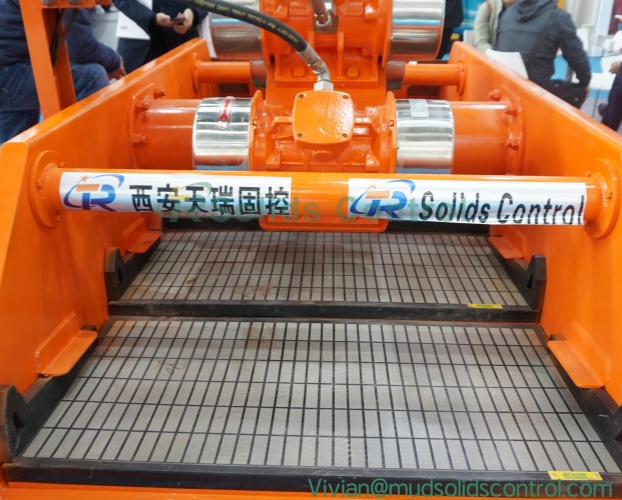
- Mesh precision
- Frame material
- Layer structure
- API compliance
4. Material and Manufacturing Process
- Carbon steel vs. stainless steel
- Welded vs. laser-cut components
- Rubber springs vs. metal springs
- Coating quality for corrosion resistance
Manufacturers using precision welding, CNC cutting, and high-strength frames will offer more durable shakers but at a higher price range.
5. Processing Capacity and Technical Specifications
Larger and more advanced shale shakers naturally cost more. Bigger capacity means stronger structure and higher power motors, which increases cost.
6. Brand, Service, and Technical Support
Reliable manufacturers offer stronger technical support and spare parts supply. A well-established supplier provides better stability and more professional service, which also reflects in the price.
7. Market Demand and Application Industry
Oilfield-grade equipment often requires higher vibration performance, stronger structure, and better corrosion resistance—leading to higher cost compared to light-duty applications.
Understanding the factors affecting shale shaker price helps buyers choose the right equipment according to their specific needs, application conditions, and budget. Performance, reliability, and long-term maintenance cost should always be considered—not just the initial purchase price.