Tag Archives: Drilling Shale Shaker
How to Choose China Hiperpool Shaker for Oilfield Drilling
Choosing the right shale shaker is important for maintaining efficient drilling fluid separation and stable solids control performance. For buyers searching for a China Hiperpool Shaker, the challenge is not simply finding a low-price machine. The shaker should match the drilling flow rate, mud properties, screen requirements, installation conditions, and long-term maintenance plan.
Hyperpool-type shale shaker is generally used as primary solids control equipment to separate drilled cuttings from drilling fluid. Its performance directly influences fluid recovery, downstream equipment protection, waste handling, and overall drilling efficiency.
So, how should you choose a China Hiperpool Shaker?
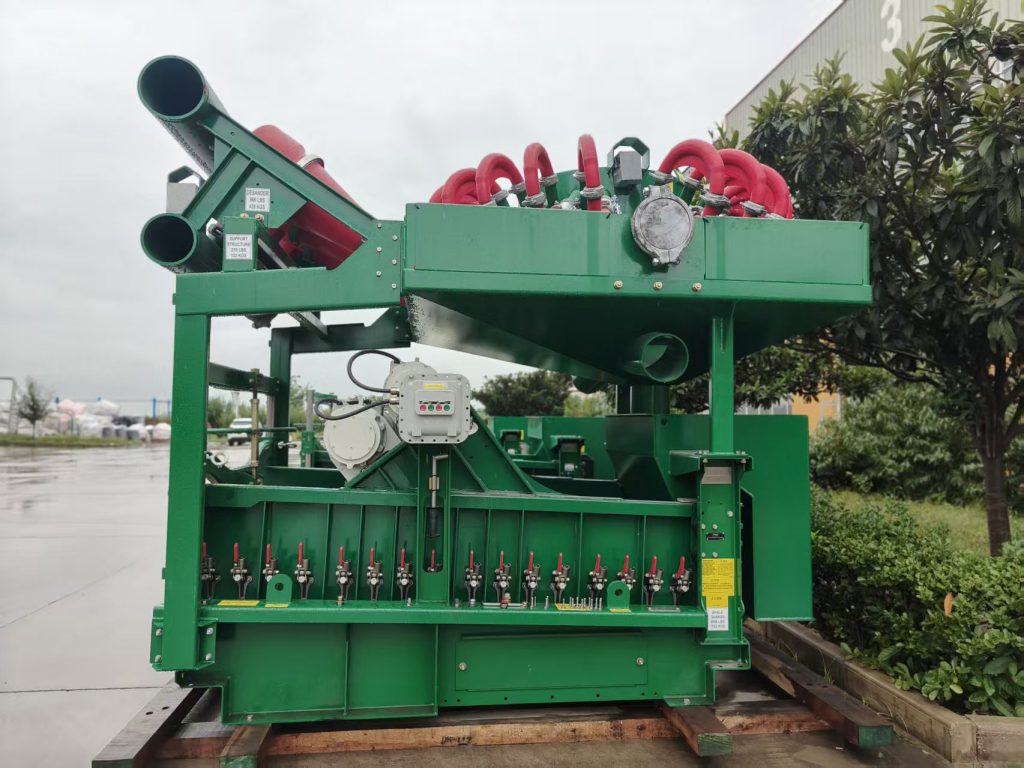
Hiperpool Shaker
1. Check the Required Processing Capacity
The first factor is processing capacity.
Before purchasing a China Hiperpool Shaker, determine the actual drilling fluid circulation rate of your rig. A shaker with insufficient capacity may cause excessive fluid loading, screen flooding, poor separation, and unstable operation.
For example, suppliers may offer different processing capacities according to shaker configuration, drilling fluid density, solids loading, and screen selection. Therefore, buyers should not compare capacity figures without checking the operating conditions behind those figures.
The best practice is to provide the manufacturer with your expected flow rate, mud weight, mud type, drilled solids characteristics, and drilling depth. The manufacturer can then recommend a suitable configuration.
2. Select the Right Shale Shaker Screen
The screen is one of the most important working components of a shale shaker.
A suitable Hiperpool Shale Shaker should use screens that match the required separation performance and drilling fluid characteristics. API RP 13C is commonly used as an industry standard for physical testing and labeling of shaker screens.
Different screen mesh sizes provide different separation results. A finer screen can remove smaller solids, but it may also reduce flow capacity or increase the risk of screen plugging under certain conditions.
Therefore, buyers should consider:
- API screen designation
- Mesh size
- Screen construction
- Effective screening area
- Screen replacement method
- Screen service life
- Compatibility with the shaker frame
Pyramid-style screens can provide a larger effective screening area than conventional flat screens, which can be beneficial when high throughput is required.
3. Compare Vibration Performance
Vibration performance directly affects solids conveyance and separation efficiency.
A Hyperpool-type shaker generally uses linear-motion vibration technology. The vibration force, amplitude, motor configuration, and operating angle should be evaluated according to the drilling application.
For example, available Hyperpool configurations may use two vibration motors and provide adjustable deck angles. Some commercial specifications list G-force levels around 7 G or higher depending on configuration.
When comparing a China Hiperpool Shaker with other models, do not look only at the motor power. Check the complete vibration system, including:
- Vibration force
- Motor reliability
- Bearing design
- Vibration stability
- Deck angle adjustment
- Noise level
- Maintenance requirements
A properly matched vibration system helps maintain stable solids transport while protecting the equipment from unnecessary mechanical stress.
4. Consider the Drilling Mud Type
The drilling fluid used in your project is another important factor.
A China Hiperpool Shaker may be configured for different drilling applications, including water-based mud, oil-based mud, synthetic-based mud, and other drilling fluid systems.
However, the same screen configuration should not automatically be used for every mud system.
Mud viscosity, density, temperature, solids concentration, and particle size distribution can significantly affect shaker performance. Oil-based mud may also require specific operating and environmental considerations.
Before ordering, provide the manufacturer with detailed mud parameters so the screen configuration and shaker operating conditions can be properly selected.
5. Evaluate Screen Replacement and Maintenance
Maintenance cost is an important part of the total cost of ownership.
A shale shaker may operate continuously for long periods in demanding oilfield environments. Screen replacement, vibration motor inspection, spring inspection, bearing condition, and structural checks should therefore be considered before purchasing.
A quick-change screen design can reduce maintenance downtime. Some Hyperpool configurations use screen systems designed for fast replacement, helping drilling crews reduce equipment downtime.
When selecting a China Hiperpool Shaker, ask the supplier:
- How long does screen replacement take?
- Are replacement screens readily available?
- Are motors and spare parts standard?
- Can the supplier provide maintenance instructions?
- Is technical support available after installation?
A competitive purchase price is useful, but easy maintenance can provide greater savings over the equipment’s operating life.
6. Check Equipment Compatibility
If the shaker will replace an existing unit, compatibility should be carefully checked.
Important dimensions include the overall footprint, screen size, inlet and outlet arrangement, discharge configuration, electrical requirements, and installation position.
For example, Hyperpool systems are available in different configurations, including single, dual, and triple arrangements. Modular designs can help drilling contractors adapt solids control equipment to different rig layouts.
For replacement projects, provide drawings, photographs, existing shaker model information, and installation dimensions to the China manufacturer. This can reduce the risk of receiving equipment that cannot be installed directly.
7. Compare the Supplier, Not Only the Price
One of the biggest mistakes when purchasing a China Hiperpool Shaker is comparing only the initial quotation.
Professional supplier should be able to provide:
- Complete technical specifications
- Product drawings
- Screen information
- Motor specifications
- Quality inspection documents
- Testing information
- Spare parts support
- Installation guidance
- After-sales technical service
The total purchase decision should consider equipment quality, delivery time, spare parts availability, technical support, warranty, and long-term operating cost.
8. Why Consider a China Hiperpool Shaker?
Chinese manufacturers can offer customized shale shaker solutions for different drilling applications. Depending on the supplier, buyers may be able to request different screen configurations, electrical standards, motor options, deck arrangements, colors, dimensions, and supporting equipment.
A China-manufactured Hyperpool-compatible shaker can therefore be considered when the buyer wants to balance performance, customization, spare parts availability, and purchasing cost.
However, buyers should always verify technical specifications rather than choosing equipment based solely on the product name.
9. Final Checklist Before Ordering
Before purchasing a China Hiperpool Shaker, confirm the following:
- Required drilling fluid flow rate
- Mud type and density
- Expected solids loading
- Required screen mesh or API designation
- Shaker processing capacity
- Vibration mode and G-force
- Deck angle adjustment
- Motor and electrical requirements
- Screen replacement method
- Installation dimensions
- Spare parts availability
- Warranty and technical support
In short, the best China Hiperpool Shaker is not necessarily the cheapest model. It is the machine that provides the right combination of processing capacity, solids separation, screen performance, reliability, maintenance convenience, and total operating cost.
For oilfield drilling projects, buyers should send actual operating parameters to the manufacturer and request a technical recommendation before placing an order. This approach can help ensure that the selected Hiperpool Shale Shaker works efficiently within the complete solids control system.
Hiperpool Shaker Price: What Factors Affect the Cost?
If you are searching for “hiperpool shaker price,” you may be wondering why the price of a Hiperpool shaker can vary significantly between suppliers and configurations. Is the price based only on the shaker itself? What specifications should you compare before making a purchase? This article answers the most common questions buyers may have.
What Is a Hiperpool Shaker?
A Hiperpool shaker is a type of oilfield shale shaker designed for solids control during drilling operations. It separates drilled solids from drilling fluid by using vibration and specially designed screens.
The recovered drilling fluid can then return to the circulation system, while separated solids are discharged for further treatment or disposal.
How Much Does a Hiperpool Shaker Cost?
There is no single fixed Hiperpool shaker price. The final cost depends on several factors, including the model, processing capacity, screen configuration, motor specifications, control system, materials, and supplier requirements.
For this reason, buyers should request a detailed quotation based on their actual drilling application instead of comparing prices based only on the product name.
Why Does the Hiperpool Shaker Price Vary?
Several factors can affect the quotation.
1. Processing Capacity
A shaker designed for higher mud flow rates generally requires a larger or more powerful configuration. Higher-capacity equipment may therefore have a higher purchase price.
2. Screen Configuration
Screen type, quantity, mesh size, and replacement requirements can influence the total cost. Since screens are critical consumable components, buyers should also consider long-term operating costs.
3. Motor and Electrical Configuration
Different motor power, voltage, frequency, hazardous-area requirements, and electrical standards may affect the price. This is particularly important for international oilfield projects.
4. Control System
A basic shaker may use a relatively simple control configuration, while an automated system can include PLC control, monitoring functions, alarms, and integration with other solids control equipment.
5. Customized Requirements
Some drilling projects require customized inlet and outlet arrangements, skid dimensions, lifting structures, explosion-proof components, or special materials. These requirements can increase the overall equipment cost.
Is a Lower Hiperpool Shaker Price Always Better?
Not necessarily.
A low purchase price may look attractive, but buyers should also evaluate separation efficiency, processing capacity, screen life, vibration performance, motor quality, maintenance requirements, spare parts availability, and after-sales service.
For oilfield equipment, total operating cost is often more important than the initial purchase price.
What Should Buyers Ask Before Getting a Quotation?
Before requesting a Hiperpool shaker quotation, it is useful to provide the supplier with several technical details:
- Required mud flow rate
- Drilling fluid type
- Expected solids loading
- Screen specification
- Power supply requirements
- Hazardous-area classification
- Number of shakers required
- Required control system
- Installation environment
- Spare parts requirements
Providing accurate information allows manufacturers to recommend a suitable configuration and provide a more reliable quotation.
How Can You Compare Hiperpool Shaker Prices?
Instead of comparing only the quoted price, buyers should compare the complete technical and commercial package.
Ask whether the quotation includes shaker screens, motors, control panels, spare parts, testing, packaging, technical documentation, commissioning support, and warranty service.
Two machines with similar appearances may have very different specifications and long-term operating costs.
Can a Manufacturer Provide a Customized Hiperpool Shaker?
Yes. Oilfield solids control equipment is often customized according to drilling conditions and project requirements.
Manufacturers may provide customized solutions involving processing capacity, screen configuration, electrical components, skid design, control systems, and equipment integration.
What Is the Best Way to Get a Hiperpool Shaker Price?
The best approach is to contact a professional solids control equipment manufacturer and provide your technical requirements.
Instead of asking only “What is the Hiperpool shaker price?”, consider asking:
“What Hiperpool shaker configuration do you recommend for my required mud flow rate, and what is the complete equipment price?”
This approach makes it easier to compare different suppliers and avoid purchasing equipment that does not match your drilling application.
Searching for “hiperpool shaker price” is a good starting point, but price should not be the only purchasing factor. A suitable shale shaker should provide reliable solids separation, stable vibration performance, efficient drilling-fluid recovery, convenient maintenance, and dependable long-term operation.
When comparing suppliers, evaluate technical specifications, equipment configuration, manufacturing quality, operating cost, spare parts, delivery, warranty, and after-sales support together. A slightly higher initial investment may provide better overall value throughout the equipment’s service life.
How to Choose the Right Drilling Shale Shaker for Efficient Oil Drilling
Learn how to select the best drilling shale shaker for your oil drilling projects, improve solids control, and maximize drilling efficiency. The drilling Shale Shaker is a key component in the solids control system of any oil drilling operation. Choosing the right drilling shale shaker can significantly impact the efficiency, safety, and cost-effectiveness of drilling. In this article, we will explore how to select a drilling shale shaker that meets your project requirements while ensuring high performance and durability.
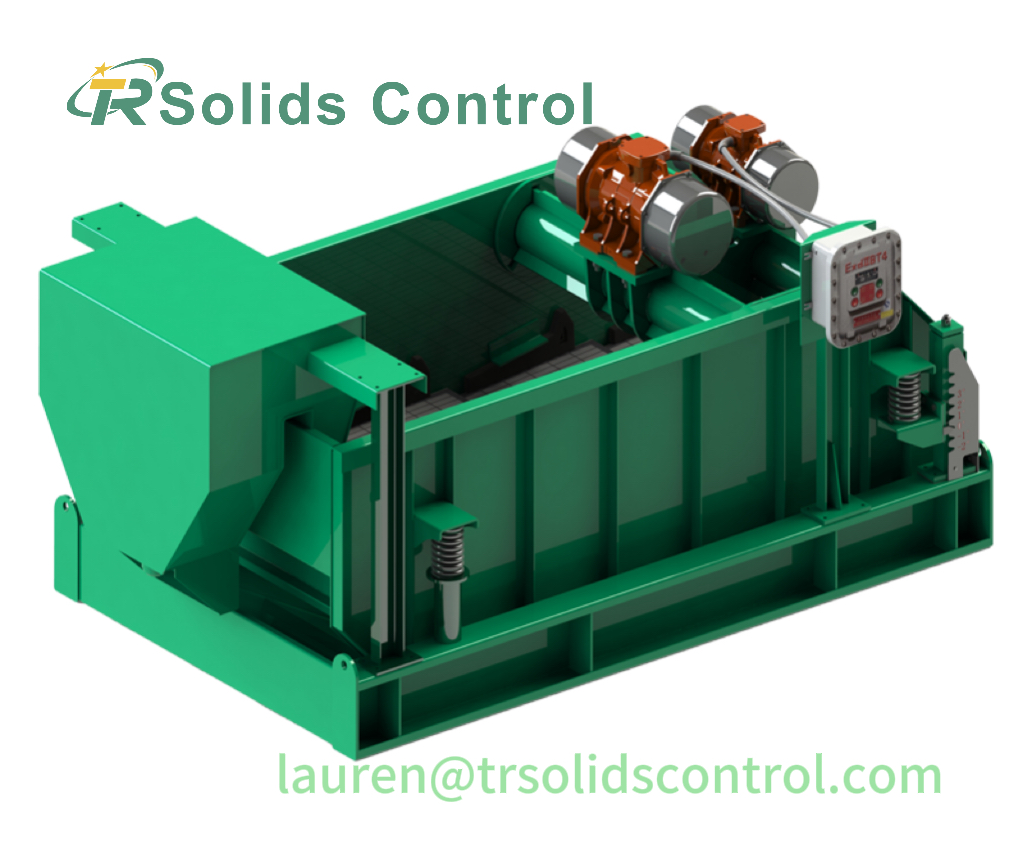
Understand Your Drilling Needs .
Before selecting a drilling shale shaker, analyze the type of drilling fluids, the volume of cuttings, and the expected drilling depth. High-volume drilling requires shakers with larger screening areas, while complex drilling fluids may need multi-deck shale shakers for better separation efficiency.
Evaluate Shaker Performance .
Key performance factors include vibration frequency, stroke length, deck angle, and mesh size. Higher vibration frequency improves fine solids removal, while adjustable deck angles allow optimization for different drilling fluids. Choose a shaker that can maintain consistent performance under heavy-duty drilling conditions.
Consider Durability and Maintenance .
Drilling shale shakers operate under harsh conditions. Material selection, such as stainless steel or high-strength alloy, and easy-to-replace screen panels are critical for minimizing downtime. Regular maintenance ensures long-term reliability and reduces operational costs.
Look for Energy Efficiency .
Energy-efficient shakers reduce operational costs and environmental impact. Modern drilling shale shakers often feature low-power motors with optimized vibration mechanisms, which save electricity while maintaining high solids separation efficiency.
Choose the Right Supplier .
Partner with a reputable manufacturer that provides technical support, spare parts, and after-sales service. A reliable supplier ensures timely delivery, installation support, and troubleshooting assistance for your drilling projects.
Selecting the right drilling shale shaker is essential for improving drilling efficiency, reducing downtime, and controlling operational costs. Focus on your drilling needs, performance, durability, energy efficiency, and supplier reputation to make the best choice for your oil drilling project.
Shale Shaker – Professional Drilling Mud Equipment
As a specialized mud handling equipment in the oil and gas drilling industry, the Shale Shaker plays a fundamental and key role in the solids control system. TR Solids Control focuses on the research, development, and manufacturing of high-performance Shale Shakers, using mature processes and stable configurations to ensure that the shale shaker delivers stable purification and separation performance at various drilling sites.
During drilling operations, the mud returning from the wellbore carries cuttings, sand, and solid impurities that must be purified before reuse. As key drilling mud equipment, the shale shaker uses high-frequency vibration to rapidly separate mud from solid particles—effectively removing large impurities and reducing the load on downstream desanders, desilters, and centrifuges. This makes it essential for maintaining mud performance and improving drilling efficiency.
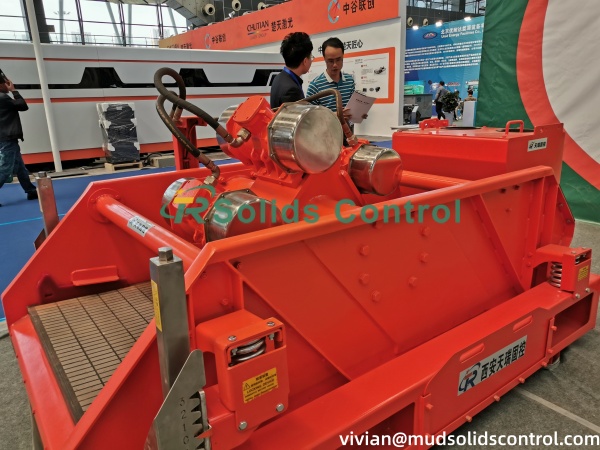
TR Solid Control has systematically optimized its shale shakers to meet the demands of real drilling environments.
The unit features a high-strength welded screen box for rugged durability and long-term continuous operation. The vibration system employs dual-motor self-synchronization technology, delivering a stable vibration trajectory and adjustable excitation force. This allows the shaker to effectively handle drilling muds of varying viscosities and flow rates, reducing screen clogging and significantly improving separation efficiency.
The TR solids control shale shaker features a modular design for easy installation and simplified maintenance. Screen changes are fast and efficient, helping to reduce on-site downtime and improve overall operational continuity.
The equipment is also reinforced against corrosion, dust, and moisture, making it well-suited for challenging environments such as open fields, saline-alkaline areas, and humid conditions—ensuring reliable, long-term performance.
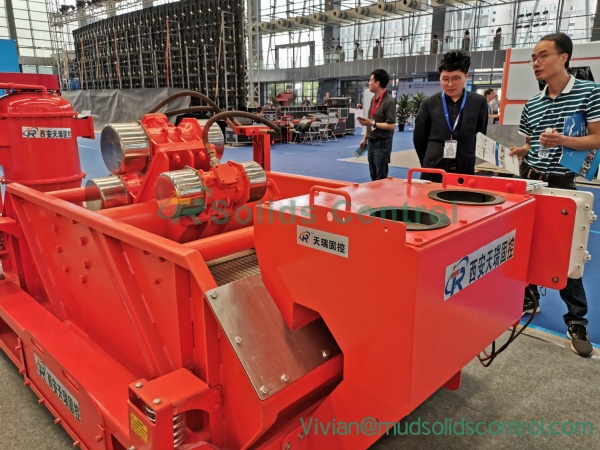
TR Solid Control offers customized shale shaker solutions to meet diverse project requirements. These shakers integrate seamlessly with mud tanks and complete solids control systems, forming an efficient purification process that enhances mud recovery and reduces overall drilling costs.
As professional drilling mud equipment, the quality of shale shakers directly impacts operational stability and economic performance. TR Solid Control remains deeply focused on the solids control industry, continuously improving product performance and delivering reliable, high-efficiency shakers and comprehensive solutions to drilling clients worldwide.
Shale Shaker For Oil Field Mud System
The oilfield mud system is vital to drilling. Returning mud carries cuttings, sand, and solids that must be removed—otherwise mud performance declines, tools wear faster, and downhole risks rise.
As the first purification unit, the shale shaker uses high frequency vibration to quickly separate mud from cuttings, reducing solid content and easing the load on downstream equipment like desanders and centrifuges. It’s essential for efficient mud system operation.
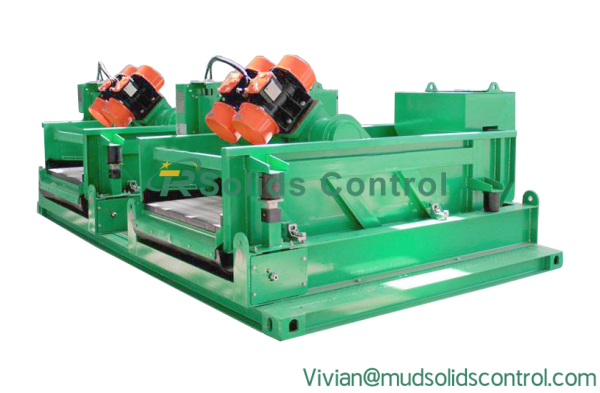
TR Solid Control has optimized its shale shaker for oilfield mud systems. The high‑strength, fully welded screen box ensures durability and shock resistance for continuous field operation. Dual‑motor self‑synchronization delivers stable vibration and adjustable force to handle varying mud viscosities and flow rates—reducing screen clogging and improving cuttings discharge efficiency.
TR shale shakers feature a modular, space-saving design for easy installation and seamless integration with mud tanks, desanders, desilters, and centrifuges—forming a complete mud purification system.
Screens are made of wear- and corrosion-resistant materials with a quick-install structure, enabling fast replacement and simple maintenance to reduce downtime and improve drilling continuity.
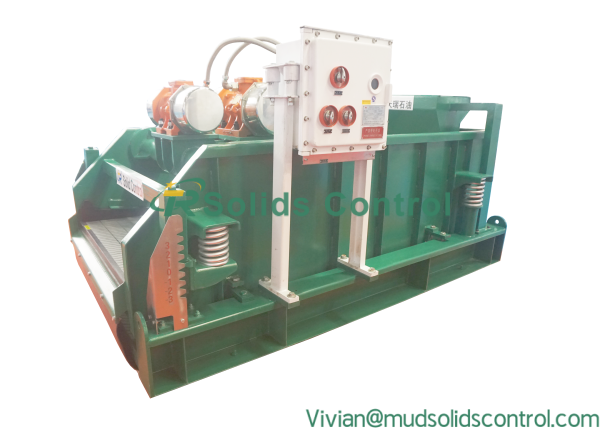
TR Solid Control Equipment also offers customized shale shaker solutions tailored to your oilfield’s specific conditions—including wellsite layout, drilling depth, and mud flow rate. This ensures the shaker integrates seamlessly with the mud system, improving mud recovery, reducing material consumption, and supporting efficient, safe, and environmentally responsible drilling operations.
As oilfield drilling equipment continues to advance, professionally adapted shale shakers have become key to improving mud system efficiency.
TR Solid Control remains deeply focused on oilfield solids control, continuously optimizing product performance to deliver stable, reliable shakers and complete mud system solutions for customers worldwide.
Drilling Mud Shale Shaker for Solids Control
TR Solid Control specializes in developing and producing shale shakers designed for solids control systems—built with stable structures and reliable performance to meet the mud handling needs of oil fields and drilling projects.
During drilling, returning mud carries cuttings and solids. Without effective control, mud performance drops, equipment wear increases, and downhole safety may be at risk. The drilling mud shale shaker is the first purification unit in solids control. Using high frequency vibration, it quickly separates and removes large solids, reducing the load on downstream equipment—making it essential for efficient operation.
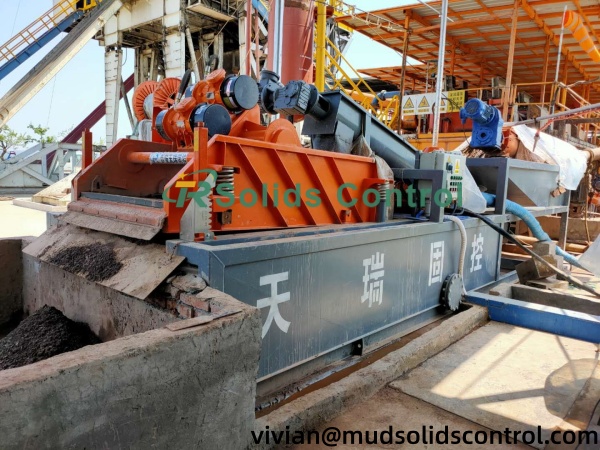
TR Solid Control shakers are engineered for solids control systems. The high‑strength, welded screen box ensures stable, shock‑resistant performance for continuous use. Dual‑motor self‑synchronization delivers consistent vibration and adjustable force to handle varying mud conditions, reducing clogging and boosting separation efficiency.
To better integrate with solids control systems, TR’s drilling mud shale shaker features a modular design that is easy to install and space-efficient. It seamlessly connects with desanders, desilters, mud cleaners, and centrifuges to form a complete multi-stage solids control process.
The screens are made of wear-resistant materials and use a quick-install structure for easy replacement and low maintenance costs, helping to improve continuous operation on site.
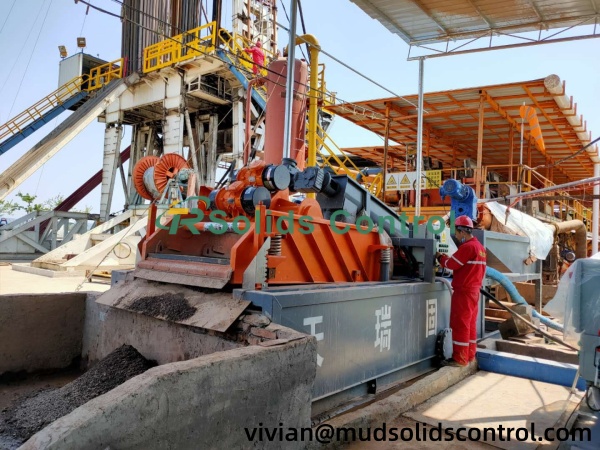
TR Solid Control also offers customized drilling mud shaker solutions tailored to your specific wellsite conditions, drilling depth, and mud volume. This ensures the equipment integrates seamlessly into your solids control system, improving mud recovery rates and reducing drilling material consumption. The result is a more efficient, environmentally friendly, and cost‑effective drilling operation.
As drilling and solids control technology continues to advance, professional and reliable drilling mud shale shakers have become essential for ensuring high‑quality operations.
TR Solid Control remains deeply committed to the solids control field, continuously improving the performance of its drilling mud shakers. We provide customers worldwide with stable, practical equipment and comprehensive solids control solutions.
Shale Shakers for Efficient Drilling Operations
Shale shakers directly impact drilling continuity and cost-efficiency, making them essential in modern solids control systems. TR Solid Control specializes in developing high-performance shakers that improve drilling efficiency, extend equipment life, and reduce on-site failures through reliable design and stable operation.
During drilling, returning fluid carries cuttings and solids that must be removed. Without effective separation, fluid performance drops, tools wear faster, and downhole risks increase.
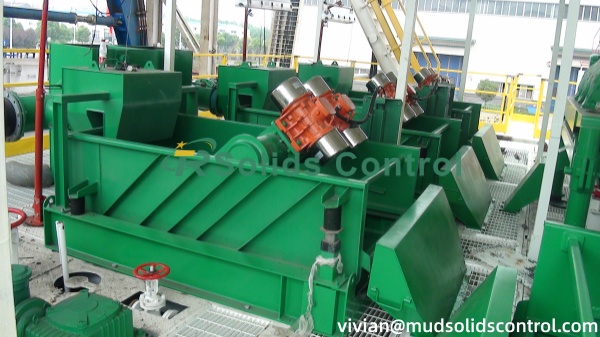
Shale shakers use high‑frequency vibration to quickly separate solids from liquid. Large cuttings are discharged, while clean fluid is recycled—helping maintain drilling speed and operational stability.
TR solid control shale shakers are designed for real oilfield conditions, offering key practical advantages: A high-strength welded screen box ensures durability for continuous operation. The smooth‑running vibration system delivers moderate, adjustable excitation force—handling varying flow rates and fluid viscosities while reducing screen blockage and boosting screening efficiency.
The TR drilling control shale shakers feature a quick‑release screen design for easy replacement and maintenance, helping to reduce on‑site downtime and improve overall operational efficiency. Built with reinforced corrosion, dust, and water resistance, they are well‑suited for harsh environments—including fields, saline‑alkali areas, and humid conditions—ensuring long‑term, stable performance.
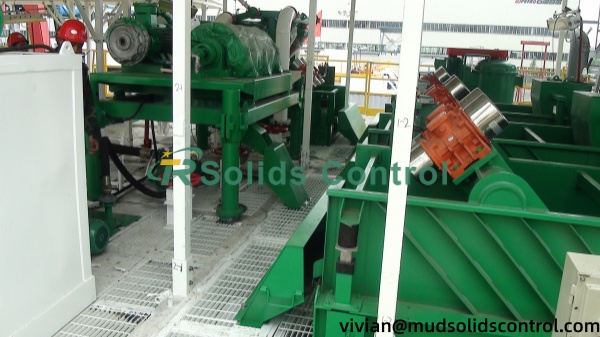
To further enhance drilling efficiency, TR Solid Control offers customized shale shaker solutions tailored to your wellsite conditions, drilling depth, and processing capacity. These shakers can be fully integrated with desanders, desilters, centrifuges, and other equipment to form a complete drilling fluid solids control system. This enables multi-stage purification and continuous processing—making drilling operations smoother, more efficient, and more economical.
As the drilling industry moves toward higher efficiency, safety, and environmental responsibility, choosing a reliable shale shaker manufacturer and equipment becomes increasingly important.
TR Solid Control Equipment continues to focus deeply on the solids control field, constantly improving product performance and service systems. With stable, high‑quality shale shakers, we support a wide range of drilling operations—helping users achieve greater efficiency and lower costs on site.
Shale Shaker for Oilfield Drilling
Oilfield drilling shale shakers are the core front-end solid control equipment that ensure the normal operation of oilfield drilling, playing a key role in drilling fluid treatment and cuttings separation. As a professional solid control equipment manufacturer, TR Solid Control has long been committed to the research, production, and optimization of shale shakers for oilfield drilling. Its products can adapt to various oilfield drilling conditions, improve drilling fluid recycling efficiency, and reduce overall drilling costs.
In oilfield drilling, returning fluid contains solid particles like cuttings and sand. Without prompt treatment, fluid performance degrades, tools wear faster, and downhole safety may be compromised. The oilfield drilling shaker, as the first purification unit in the solids‑control system, uses high‑frequency vibration for rapid liquid‑solid separation. It discharges large cuttings and sends the cleaned fluid downstream—making it an indispensable part of the process.
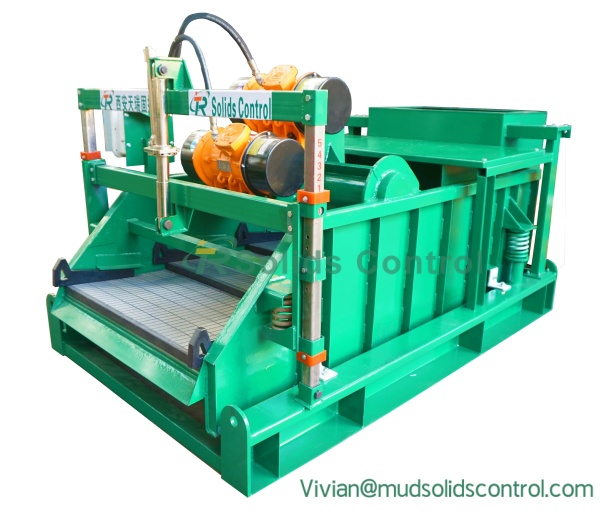
TR Solid Control shale shakers are engineered for demanding oilfield conditions. The high‑strength, welded structure ensures long‑term stability in saline, alkaline, and high‑humidity environments. The vibration system uses dual‑motor self‑synchronization for a stable, adjustable excitation force. This allows the shaker to efficiently process both high‑volume, low‑viscosity fluids and high‑solids, high‑viscosity muds with consistent screening performance.
To meet the needs of on-site use in oilfields, the TR Solid Control oilfield drilling shaker is equipped with wear-resistant and corrosion-resistant screens, which are easy to replace and maintain, effectively reducing downtime. At the same time, the overall layout of the equipment is compact, making transportation and installation convenient, suitable for the operational characteristics of frequent relocation of oilfield well sites.
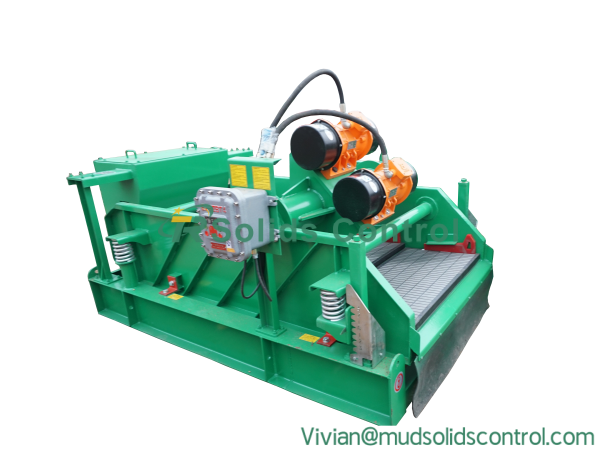
TR Solid Control can also provide customized solutions based on the customer’s drilling depth, displacement, geological conditions, and more, allowing the shale shaker to work in complete coordination with desanders, desilters, centrifuges, and other equipment, achieving multi-stage purification of drilling fluid, improving drilling fluid recovery and utilization, and helping oilfield drilling achieve efficient, environmentally friendly, and economical operation.
In today’s era of oilfield drilling moving towards high efficiency, intelligence, and environmental friendliness, stable and reliable shale shakers are becoming increasingly important. TR Solid Control will continue to deeply cultivate the oilfield drilling solid control sector, continuously improve product quality and technical levels, and provide more reliable and efficient vibrating screens and overall solid control solutions for global oilfield drilling operations.
Drilling Fluid Shale Shaker Manufacturers
In oil and gas drilling, the shale shaker is the first critical unit in solids control, directly impacting cuttings separation, fluid recycling, and operating costs. Choosing a professional manufacturer is essential for performance and full service support.
With many suppliers varying in quality and service, selecting the right partner is a key decision. TR Solids Control, a specialist shaker manufacturer, has built an integrated R&D-production-service system through years of technical and market experience. We stand out in product performance, customization, and after-sales support, providing drilling companies with complete equipment and technical solutions.
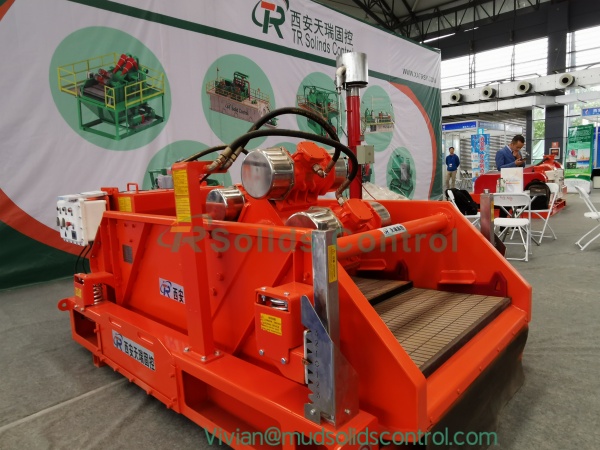
Core Selection Criteria for Drilling Fluid Shale Shaker Manufacturers
- R&D & Technical Capability: An independent R&D team is essential to optimize designs for special conditions (e.g., high viscosity fluids, marine corrosion). Key technologies include dual mode vibration and wave screen designs, supported by proprietary patents.
- Quality & Certification: Equipment should meet API and ISO standards. A full quality control system—from materials to final inspection—ensures wear resistance, corrosion resistance, and stable operation.
- Customization Ability: Manufacturers must tailor shakers to specific conditions: capacity, screen specs, installation size, etc. Examples include compact units for tight sites and corrosion resistant models for offshore platforms.
- Comprehensive After Sales Service: A broad service network is critical for on site installation, operator training, rapid fault response, and spare parts supply to minimize downtime in complex drilling environments.
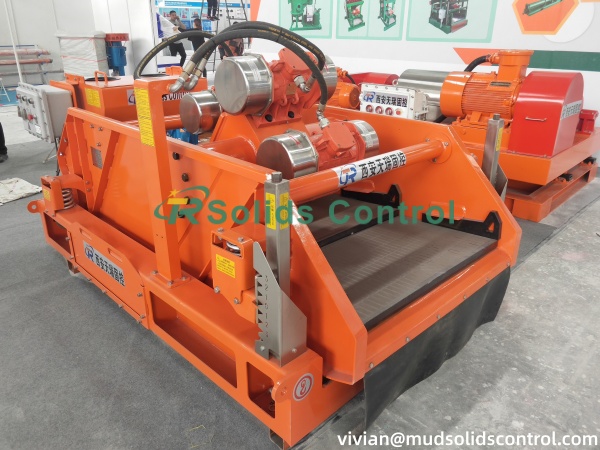
Choosing TR as your shale shaker manufacturer delivers high quality equipment along with complete technical and service support, providing multiple operational benefits:
- Higher Fluid Processing Efficiency: Advanced vibration and screen designs achieve over 80% solids removal, reducing downstream workload and boosting overall system efficiency while enabling fluid recycling.
- Lower Drilling Costs: Reliable performance cuts downtime and extends equipment life. Efficient screening increases fluid recovery, reducing new fluid purchases and waste disposal expenses. Competitive pricing and full after sales service further lower total cost of ownership.
- Adaptability to Complex Conditions: A full product line suits everything from conventional drilling to shale gas and offshore operations, ensuring stable performance across diverse environments.
- End-to-End Technical Support: We assist from selection and customization through installation and operation—helping you optimize layout, train operators, and maximize equipment performance.
Selecting an unqualified shale shaker manufacturer can lead to poor processing efficiency, frequent breakdowns, higher maintenance costs, and increased drilling risks. In contrast, a reliable manufacturer like TR Solids Control delivers stable equipment and full support, effectively improving fluid purification efficiency, reducing costs, and ensuring operational continuity.
The choice of shaker manufacturer directly impacts drilling efficiency and expense. With strong R&D, a complete product line, customization, and comprehensive after sales service, TR has become a trusted partner for many drilling companies. Moving forward, TR will continue to focus on solids control innovation, optimizing performance to provide reliable equipment and solutions that help the oil and gas industry achieve lower costs and higher efficiency.
Shale Shaker: The Core of the Drilling Fluid Solids Control
The drilling fluid solids control process is a staged purification system. Its goal is to remove solids of varying sizes through coordinated equipment, restoring fluid viscosity and density for recycling thereby cutting costs and environmental impact. Arranged by particle size, the process begins with the shale shaker as the “first gate” of solids control.
- Front End – Shale Shaker: Fluid returning from downhole, carrying solids >74 µm, enters the shaker. High‑frequency vibration separates and discharges large cuttings, removing over 80% of solids and greatly reducing the load on downstream equipment.
- Mid Stage – Desander + Desilter: Fluid then flows to the desander (removing 74–44 µm sand) and desilter (removing 44–20 µm clay).
- Back End – Centrifuge: Finally, the centrifuge removes ultra fine solids below 20 µm, producing clean fluid that returns to the well.
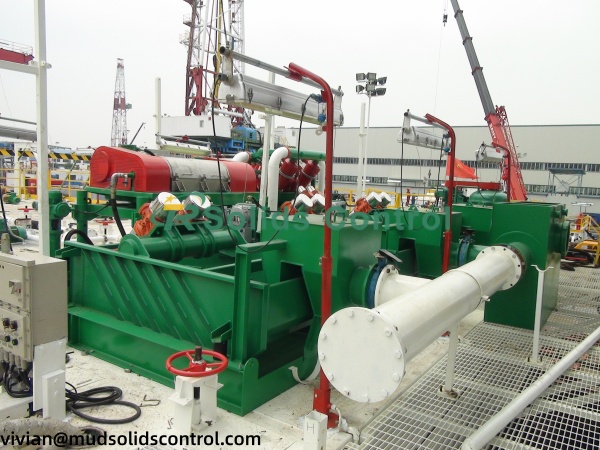
In the drilling fluid solids control process, the shale shaker is more than just a “cuttings separator” its performance directly impacts overall efficiency, equipment wear, and fluid reuse. Its core role, and why it is the front end key, is threefold:
- Reduces Downstream Load & Wear: If large cuttings bypass the shaker, they enter desanders and desilters, wearing impellers, liners, and risking blockages—increasing failures and shortening equipment life.
- Ensures Process Efficiency: A shaker with mismatched capacity can cause fluid overflow or delayed treatment, slowing the entire solids control process.
- Boosts Overall Fluid Recycling: Incomplete separation leaves solids that degrade fluid quality, making full performance restoration difficult even after deep cleaning. An efficient shaker enables staged, thorough purification, significantly raising total recycling rates.
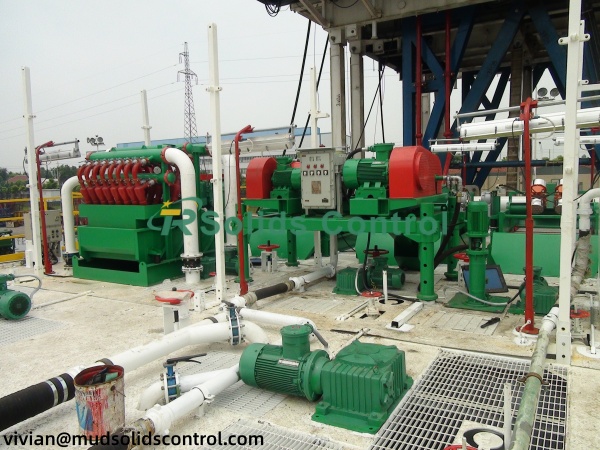
To meet the hierarchical and on site demands of the drilling fluid solids control process, TR solids control has optimized its shale shaker for efficient front end purification and seamless downstream integration. Its core design features align with actual process requirements:
- Multi Level Throughput: Screens in various sizes offer capacities from tens to hundreds of cubic meters per hour, matching drilling flow and system needs. Adjustable excitation force and deck angle allow real time tuning to fluid viscosity and solids, preventing overflow or delays.
- Dual Mode Vibration: Switchable linear and elliptical trajectories: linear for rapid separation in low viscosity, high volume fluid; elliptical for thorough cleaning of high viscosity, high solids mud, minimizing residue carry over.
- System Integrated Design: The shaker is developed alongside TR desanders, desilters, and centrifuges, with outlet size and flow rate precisely matched to downstream inlets for plug and play operation.
- Quick Change Screens: A snap release screen clamp enables one person, tool free replacement in minutes. Durable polyurethane or stainless steel screens extend service life and minimize process interruptions.
Drawing on deep process knowledge and years of manufacturing experience, TR Solids Control has developed shale shakers that precisely meet operational needs. We also provide end to end process optimization solutions from initial purification to deep treatment ensuring full‑system coordination and efficiency.
Moving forward, TR will continue to be guided by field needs, constantly improving our shakers and complete solids control line to deliver reliable support for efficient, stable fluid treatment operations and help drilling projects achieve cost savings, productivity gains, and greener performance.