Category Archives: Shaker Screen
Drilling Mud Shale Shaker for Solids Control
TR Solid Control specializes in developing and producing shale shakers designed for solids control systems—built with stable structures and reliable performance to meet the mud handling needs of oil fields and drilling projects.
During drilling, returning mud carries cuttings and solids. Without effective control, mud performance drops, equipment wear increases, and downhole safety may be at risk. The drilling mud shale shaker is the first purification unit in solids control. Using high frequency vibration, it quickly separates and removes large solids, reducing the load on downstream equipment—making it essential for efficient operation.
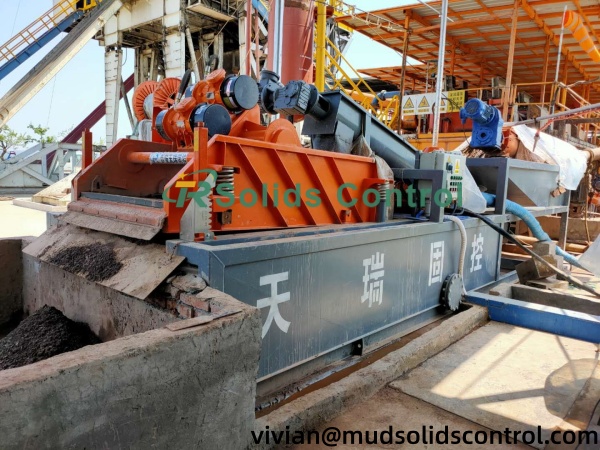
TR Solid Control shakers are engineered for solids control systems. The high‑strength, welded screen box ensures stable, shock‑resistant performance for continuous use. Dual‑motor self‑synchronization delivers consistent vibration and adjustable force to handle varying mud conditions, reducing clogging and boosting separation efficiency.
To better integrate with solids control systems, TR’s drilling mud shale shaker features a modular design that is easy to install and space-efficient. It seamlessly connects with desanders, desilters, mud cleaners, and centrifuges to form a complete multi-stage solids control process.
The screens are made of wear-resistant materials and use a quick-install structure for easy replacement and low maintenance costs, helping to improve continuous operation on site.
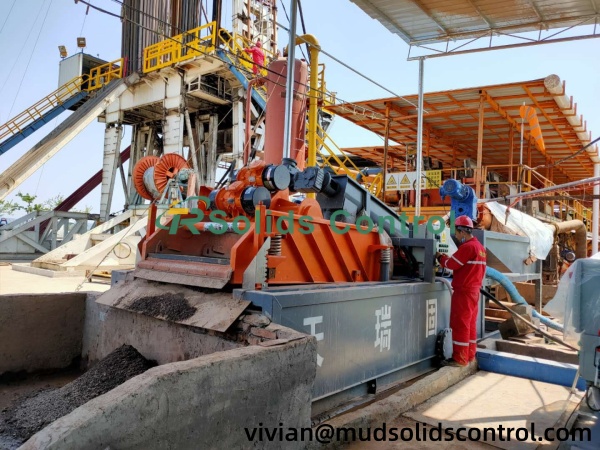
TR Solid Control also offers customized drilling mud shaker solutions tailored to your specific wellsite conditions, drilling depth, and mud volume. This ensures the equipment integrates seamlessly into your solids control system, improving mud recovery rates and reducing drilling material consumption. The result is a more efficient, environmentally friendly, and cost‑effective drilling operation.
As drilling and solids control technology continues to advance, professional and reliable drilling mud shale shakers have become essential for ensuring high‑quality operations.
TR Solid Control remains deeply committed to the solids control field, continuously improving the performance of its drilling mud shakers. We provide customers worldwide with stable, practical equipment and comprehensive solids control solutions.
Shale Shakers for Efficient Drilling Operations
Shale shakers directly impact drilling continuity and cost-efficiency, making them essential in modern solids control systems. TR Solid Control specializes in developing high-performance shakers that improve drilling efficiency, extend equipment life, and reduce on-site failures through reliable design and stable operation.
During drilling, returning fluid carries cuttings and solids that must be removed. Without effective separation, fluid performance drops, tools wear faster, and downhole risks increase.
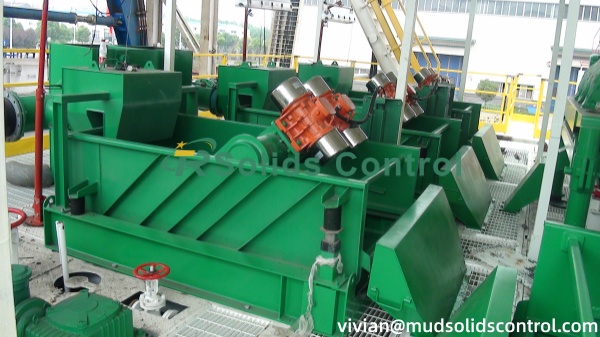
Shale shakers use high‑frequency vibration to quickly separate solids from liquid. Large cuttings are discharged, while clean fluid is recycled—helping maintain drilling speed and operational stability.
TR solid control shale shakers are designed for real oilfield conditions, offering key practical advantages: A high-strength welded screen box ensures durability for continuous operation. The smooth‑running vibration system delivers moderate, adjustable excitation force—handling varying flow rates and fluid viscosities while reducing screen blockage and boosting screening efficiency.
The TR drilling control shale shakers feature a quick‑release screen design for easy replacement and maintenance, helping to reduce on‑site downtime and improve overall operational efficiency. Built with reinforced corrosion, dust, and water resistance, they are well‑suited for harsh environments—including fields, saline‑alkali areas, and humid conditions—ensuring long‑term, stable performance.
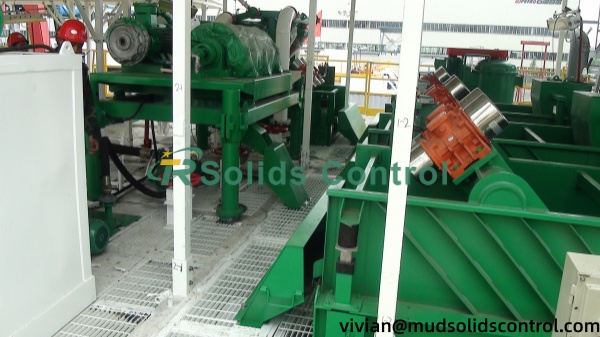
To further enhance drilling efficiency, TR Solid Control offers customized shale shaker solutions tailored to your wellsite conditions, drilling depth, and processing capacity. These shakers can be fully integrated with desanders, desilters, centrifuges, and other equipment to form a complete drilling fluid solids control system. This enables multi-stage purification and continuous processing—making drilling operations smoother, more efficient, and more economical.
As the drilling industry moves toward higher efficiency, safety, and environmental responsibility, choosing a reliable shale shaker manufacturer and equipment becomes increasingly important.
TR Solid Control Equipment continues to focus deeply on the solids control field, constantly improving product performance and service systems. With stable, high‑quality shale shakers, we support a wide range of drilling operations—helping users achieve greater efficiency and lower costs on site.
Shale Shaker for Oilfield Drilling
Oilfield drilling shale shakers are the core front-end solid control equipment that ensure the normal operation of oilfield drilling, playing a key role in drilling fluid treatment and cuttings separation. As a professional solid control equipment manufacturer, TR Solid Control has long been committed to the research, production, and optimization of shale shakers for oilfield drilling. Its products can adapt to various oilfield drilling conditions, improve drilling fluid recycling efficiency, and reduce overall drilling costs.
In oilfield drilling, returning fluid contains solid particles like cuttings and sand. Without prompt treatment, fluid performance degrades, tools wear faster, and downhole safety may be compromised. The oilfield drilling shaker, as the first purification unit in the solids‑control system, uses high‑frequency vibration for rapid liquid‑solid separation. It discharges large cuttings and sends the cleaned fluid downstream—making it an indispensable part of the process.
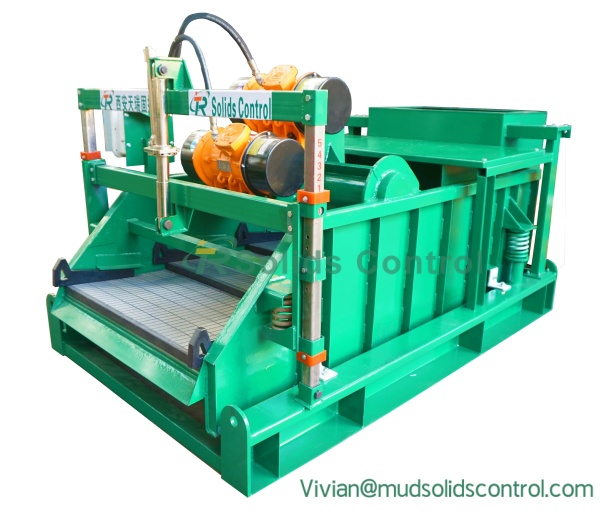
TR Solid Control shale shakers are engineered for demanding oilfield conditions. The high‑strength, welded structure ensures long‑term stability in saline, alkaline, and high‑humidity environments. The vibration system uses dual‑motor self‑synchronization for a stable, adjustable excitation force. This allows the shaker to efficiently process both high‑volume, low‑viscosity fluids and high‑solids, high‑viscosity muds with consistent screening performance.
To meet the needs of on-site use in oilfields, the TR Solid Control oilfield drilling shaker is equipped with wear-resistant and corrosion-resistant screens, which are easy to replace and maintain, effectively reducing downtime. At the same time, the overall layout of the equipment is compact, making transportation and installation convenient, suitable for the operational characteristics of frequent relocation of oilfield well sites.
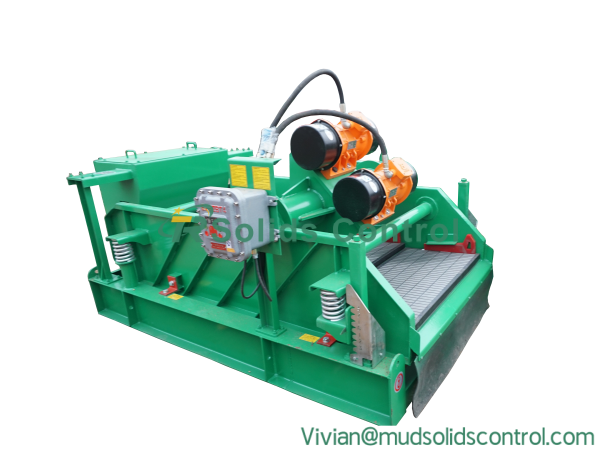
TR Solid Control can also provide customized solutions based on the customer’s drilling depth, displacement, geological conditions, and more, allowing the shale shaker to work in complete coordination with desanders, desilters, centrifuges, and other equipment, achieving multi-stage purification of drilling fluid, improving drilling fluid recovery and utilization, and helping oilfield drilling achieve efficient, environmentally friendly, and economical operation.
In today’s era of oilfield drilling moving towards high efficiency, intelligence, and environmental friendliness, stable and reliable shale shakers are becoming increasingly important. TR Solid Control will continue to deeply cultivate the oilfield drilling solid control sector, continuously improve product quality and technical levels, and provide more reliable and efficient vibrating screens and overall solid control solutions for global oilfield drilling operations.
Shaker Screen Selection: Key to Drilling Screening Efficiency
In drilling solids control, the shale shaker screen is the essential consumable that determines separation precision, fluid-treatment efficiency, and overall shaker reliability. Choosing the wrong screen can cause rapid wear, fluid loss, or reduced purification-raising operational costs.
TR Solids Control supplies a full range of screens tailored to different drilling conditions and fluid properties, and provides a systematic selection method to help operators match the screen precisely to their on-site needs.
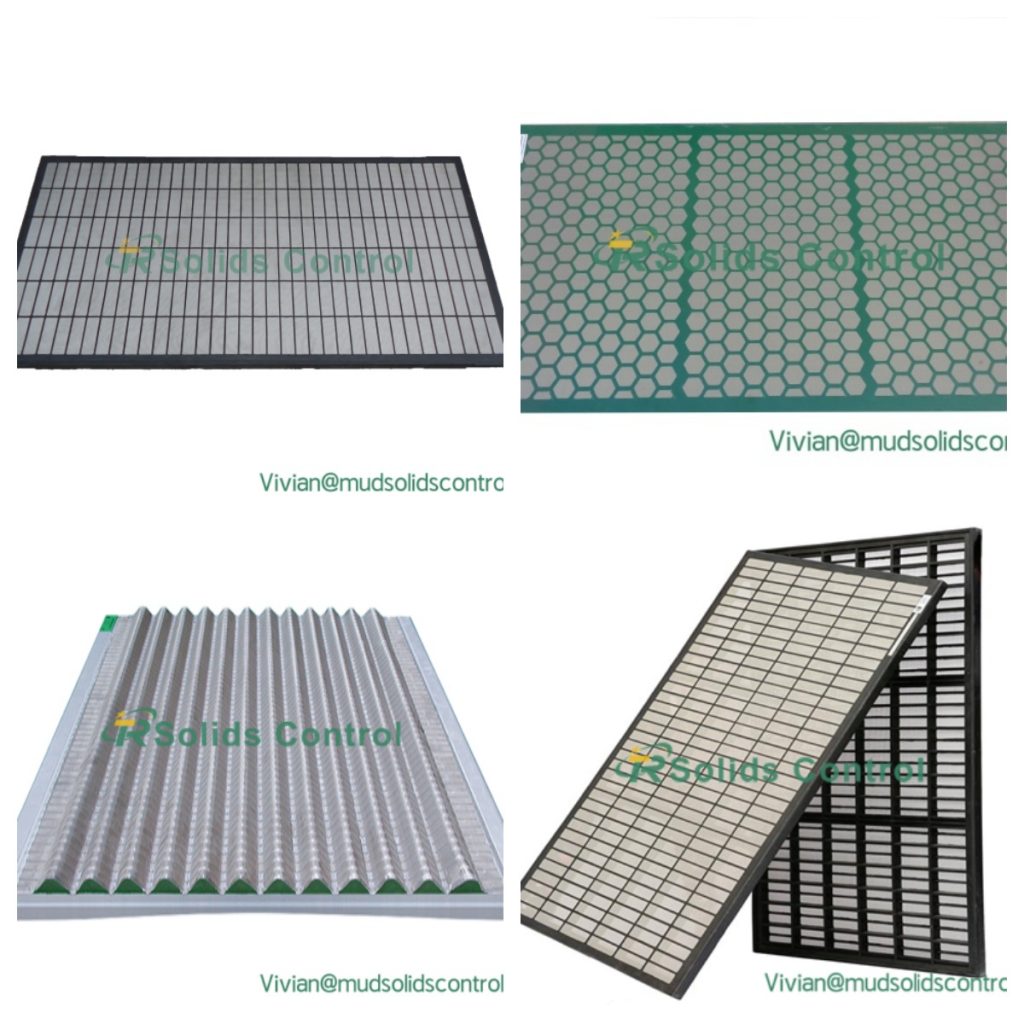
Choosing the right screen involves balancing several key factors based on drilling conditions:
- Mesh Size: Larger mesh (20-60) handles high‑flow, coarse cuttings. Medium mesh (80-120) suits routine fluid purification. Fine mesh (150-200) is for precise separation in shale gas or tight oil drilling.
- Material for Fluid Properties: Polyester: cost-effective for standard water-based fluids. Polyurethane: wear- and clog-resistant for high-viscosity, high-solids mud. 316L stainless steel: for corrosive conditions (e.g., salt-cement or acidic fluids).
- Dimensions & Mounting: Screen size and fastener positions must match your specific shaker model.
- Structure for Operational Intensity: Multi-layer composite screens (coarse base + fine top) withstand continuous, high-intensity vibration. Single-layer screens are adequate for intermittent or lighter operations, helping control costs.
TR Solids Control offers a comprehensive range of screen panels in polyurethane, polyester, and 316L stainless steel, covering 20-200 mesh and sized for all single, double, and triple shaker models. Custom screens are available for specialized drilling conditions.
Our screens are designed for precise fit, tension, and flatness on shakers, reducing fluid pooling and improving separation efficiency. The quick‑release snap design allows tool-free, one-person replacement, cutting maintenance downtime.
TR Solids Control provides full support to help you select the right shaker screens without guesswork.
- Professional Selection Guidance: Our technical team will recommend the best screen material, mesh size, and specs based on your drilling conditions, fluid type, cuttings size, and shaker model.
- On-Site Compatibility Testing: For complex conditions, we can perform on-site trials with different screens to evaluate performance and efficiency, ensuring the optimal choice.
- Operator Training: We train your on-site staff in screen selection and replacement methods, empowering them to adapt to changing conditions independently.
Screens selection may seem minor, but it directly affects screening efficiency, drilling fluid quality, and overall solids control performance. TR Solids Control not only supplies a full range of high-quality mesh products but also provides scientific selection methods and full technical support based on professional expertise and field experience. This ensures each mesh choice precisely matches drilling conditions, supporting efficient, stable cuttings separation and fluid purification to help reduce costs and improve drilling-process efficiency.
Shale Shaker——Drilling fluid treatment equipment
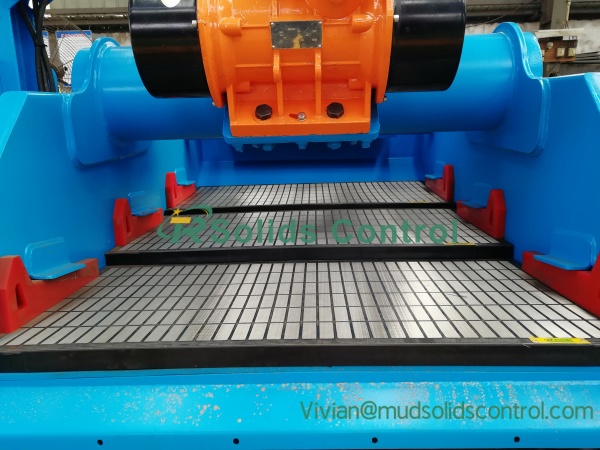
The shale shaker is designed for efficient liquid-solid separation. Its main components include the screen box, vibration motor, damping system, and frame. Once started, the motor drives the screen deck in high-frequency linear or elliptical motion. When drilling fluid with cuttings is fed onto the screen, vibration quickly separates solids from fluid. Fluid and fine particles pass through the mesh to the next stage, while larger cuttings are conveyed off the screen for discharge.
TR solids control has optimized vibration trajectory and excitation force based on fluid viscosity and solids content, making the screening action better suited to actual drilling conditions. This prevents fluid pooling and screen blinding, improving both separation efficiency and operational stability.
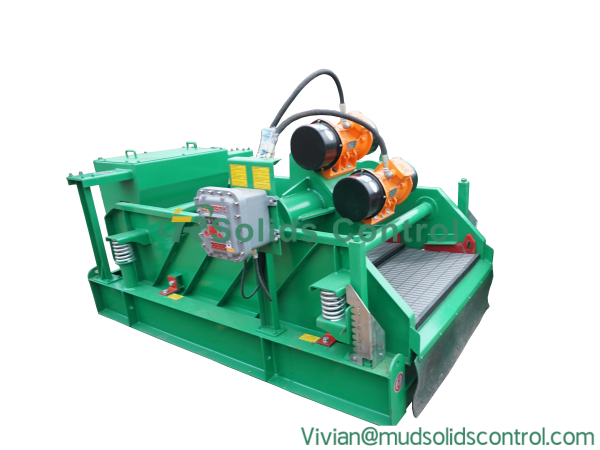
TR Solids Control designs its shale shakers to meet varied drilling conditions—from onshore and offshore drilling to shale gas and geothermal operations—by balancing practicality, adaptability, and ease of maintenance.
- Dual Vibration Modes: Switchable linear and elliptical trajectories: linear for fast, high-volume/low-viscosity fluids; elliptical for thorough screening of high-viscosity, high-solids mud, preventing accumulation and improving separation.
- Durable, Quick-Change Screens: Screens in polyurethane, high-manganese, or 304 stainless steel, in 20-200 mesh, match cuttings size for accuracy and life. A quick-release clamp allows tool‑free screen changes, minimizing downtime.
- Corrosion-Resistant & Damped Construction: The screen box is welded Q345B steel with heavy-duty anti-corrosion coating; frame and fasteners use 304 stainless steel to resist mud acids and saline conditions. Composite damping springs absorb vibration, reduce noise, and extend equipment life.
- Live Adjustable Parameters: Excitation force (5–8g) and screen-deck angle (–2° to +5°) can be adjusted without stopping, letting operators optimize settings in real time based on fluid viscosity, solids, and flow rate.
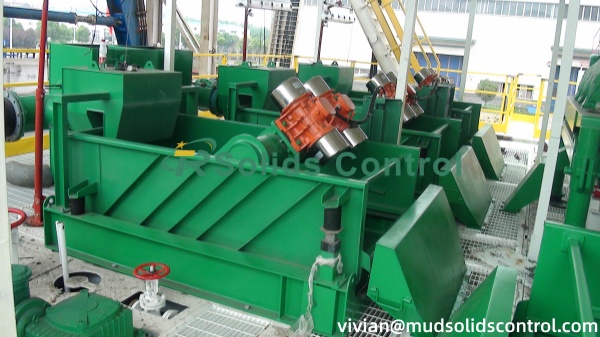
Drilling fluid treatment is a staged purification system involving shale shakers, desanders, desilters, centrifuges, and mud cleaners. Only through seamless, coordinated operation can deep fluid purification be achieved.
As the core front-end equipment in this system, TR Solids Control shale shakers are designed for synergy with downstream units. Their underflow outlet and flow rate are precisely matched to same-series desanders and desilters, allowing fluid to move directly to the next stage without path adjustments, boosting overall system efficiency.
TR also offers custom system configurations based on your fluid-treatment scale and needs, integrating shakers with other equipment, optimizing layout and flow to create a compact, efficient system adaptable to various wellsite spaces and operational demands.
As a core drilling fluid processing unit, the shale shaker performance directly impacts overall treatment efficiency, fluid recycling, and drilling cost-effectiveness. TR Oilfield Technology continuously optimizes shaker design and manufacturing to deliver stable screening performance across varied drilling conditions, providing reliable support for efficient, safe operations.
As a professional drilling fluid equipment manufacturer, TR also offers full-cycle services—from selection and commissioning to operation and maintenance—ensuring worry-free, efficient use of your fluid-treatment equipment.
Analysis of the Practical Advantages of the Shale Shaker
Oilfield drilling sites are harsh, with dampness, dust, and corrosion that challenge equipment durability. TR solids control drilling mud shale shaker is designed for these conditions, offering practical advantages:
- High-Strength Screen Box: The screen box is fully welded from Q345B alloy steel, with weld inspections to eliminate defects. A heavy-duty anti-corrosion coating (≥250 μm) resists acid, alkali, and saline‑alkali conditions, including offshore and corrosive environments.
- Modular, Compact Layout: A modular design integrates the motor, screen bed, and damping system, reducing footprint without compromising capacity. This simplifies installation, transport in tight spaces, and later component replacement.
- Efficient Damping System: Fatigue-resistant composite springs absorb vibration, minimize resonance, lower operating noise, and prevent interference with other site equipment, improving operational comfort.
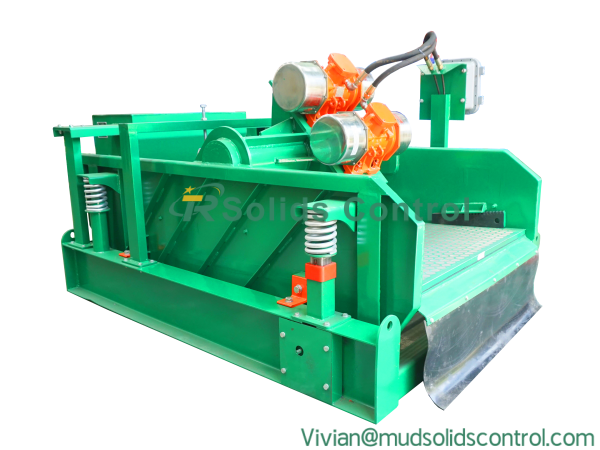
TR solids control drilling mud shale shakers are optimized for screening accuracy and processing efficiency under varied drilling conditions.
- Dual-Mode Vibration: Switchable linear and elliptical modes. Linear mode spreads fluid rapidly for high-volume mud and large cuttings; elliptical mode improves layering and prevents screen blinding in high-viscosity, high-solids mud.
- Adjustable Parameters: Excitation force is adjustable from 5-8g for real-time response to mud viscosity and solids. The screen-deck angle can be changed from –2°to +5°while running, optimizing fluid retention to balance throughput and separation.
- Wide Screen & Quick-Change Mesh: Screen widths range from 800-1800mm, increasing contact area for higher throughput. Wear-resistant polyurethane screens are available in 20-200 mesh and feature a quick-release clip, enabling one-person replacement in under three minutes to reduce downtime.
Beyond its structural and performance strengths, TR drilling mud shale shakers help reduce long-term operating costs through durability and support:
- Long-Life Wear Parts: Key consumables-screens and shock-absorbing springs-use wear-and fatigue-resistant materials. Screens last 800+ hours; springs endure 5,000+ vibration cycles, cutting replacement frequency and parts costs.
- Maintenance-Free Vibration Motor: The sealed, IP65-rated motor prevents mud/dust ingress. It features maintenance-free bearings, eliminating routine lubrication and increasing uptime.
- Full-Process Technical Support: TR service team provides end-to-end assistance from selection and commissioning through operation and maintenance. A fast spare parts network ensures timely replenishment to avoid downtime.
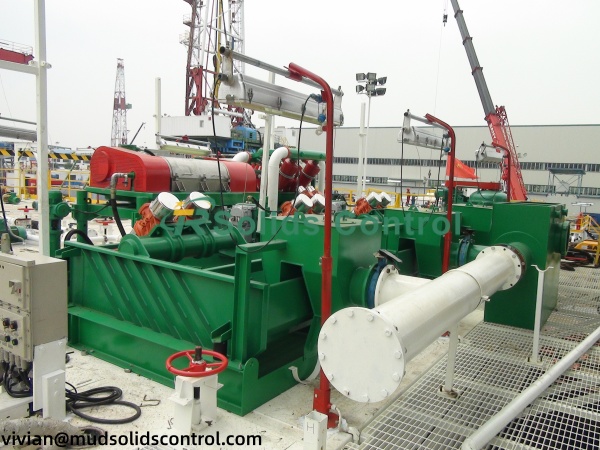
Drilling mud screens are the core of the solid control system. TR shakers integrate seamlessly with desanders, desilters, and centrifuges to form a coordinated, multi‑stage purification process: after initial separation by the shaker, fluid flows to the desander, then the desilter, and finally the centrifuge for deep cleaning and recycling. This system approach can improve solid‑control efficiency by over 30% and reduces waste-fluid discharge, supporting green drilling.
The key advantage of TR shakers is their adaptability to drilling conditions. We refine our product strengths across four dimensions—structure, performance, operation & maintenance, and system integration—enabling stable, efficient fluid purification and practical support for drilling cost reduction and efficiency goals.
ISO-certified Shale Shaker Manufacturer
ISO certification is a comprehensive assessment of a manufacturer’s production management, with clear standards covering the entire shale shaker manufacturing process. In global drilling equipment procurement, ISO certification is a key benchmark for evaluating manufacturing quality. As the core of the solid control system, shaker production and quality control that meet ISO standards directly impact operational stability and service life.
With years of experience in solid control, TR Solids Control has established a full‑process ISO-certified management system from R&D to delivery. Our ISO-certified shale shakers meet domestic operational needs and comply with international market requirements.
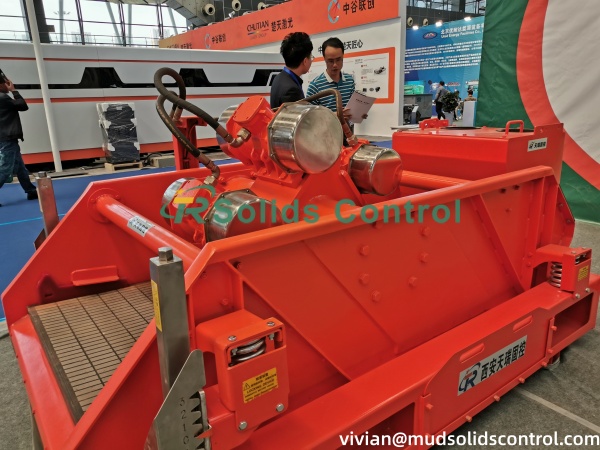
As an ISO-certified manufacturer, TR Solids Control balances international standards with field needs to produce practical, standardized vibrating screens.
- Dual-Trajectory Vibration: Switchable linear and elliptical modes adapt to varied conditions. Linear handles high-volume fluids rapidly; elliptical improves screening for high-viscosity fluids. Suitable for on-shore, horizontal, and offshore wells.
- Quick-Install Screens: A wedge-style clamp enables fast, one-person screen changes without tools, cutting downtime. Wear-resistant polyurethane screens in 20-200 mesh match different particle sizes and extend service life.
- Full-Process Traceability: Each unit has a production record tracking materials, processes, and inspection data. This ensures batch-to-batch consistency in performance and design, supporting reliable system integration.
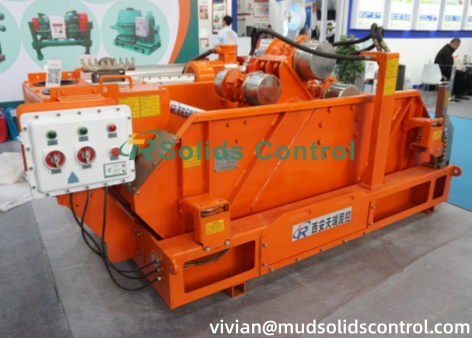
TR Solids Control supports its ISO-certified shale shakers with a full lifecycle service system:
- Professional Selection Guidance: Our technical team recommends suitable ISO-certified models based on your drilling depth, geology, and fluid type, and advises on full system integration with downstream equipment.
- Standardized Installation & Commissioning: We provide on-site setup and calibration, guiding you through secure mounting and parameter settings per ISO standards to ensure stable startup and operation.
- Complete After-Sales Support: A responsive service team offers maintenance support and supplies genuine ISO-standard spare parts, ensuring long-term operational quality and efficiency.
ISO certification is an important milestone for shale shaker manufacturers in moving toward standardization and normalization. Choosing a manufacturer with ISO certification is crucial to ensuring efficient drilling operations. TR Solids Control adheres to ISO standards in manufacturing and, leveraging its mature technical expertise and comprehensive service system, provides the drilling industry with high-quality shale shaker products, assisting drilling companies in achieving cost reduction and efficiency enhancement goals.
Shale Shaker Screen Types: Understanding the Options for Efficient Solids Control
Choosing the right shale shaker screen types is essential for achieving efficient solids control and stable drilling fluid performance. Different screens vary in structure, material, and mesh configuration, and each screen type serves specific drilling conditions. Understanding these differences helps operators select screens with better durability, separation accuracy, and cost-effectiveness.
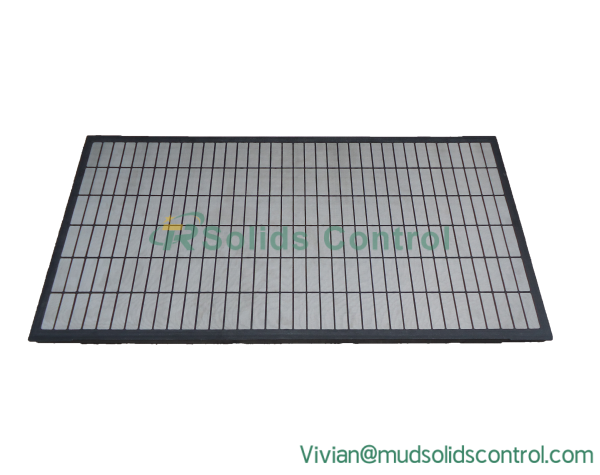
1. Steel Frame Screens
Steel frame screens are widely used due to their sturdy construction.
Features: Strong metal frame; Suitable for high-load operations; Good torsional strength
Best for: Projects requiring strong support and stable performance under heavy solids flow.
2. Composite Frame Screens
Composite screens are becoming increasingly common in modern rigs.
Features: Lightweight composite material; Higher usable mesh area; Better corrosion resistance; Longer lifespan in harsh environments
Best for: Operators seeking improved durability and reduced screen replacement frequency.
3. Hook-Strip Screens
Hook-strip screens are easy to install and replace.
Features: Side-hook connection; Suitable for older shaker models; Cost-effective design
Best for: Rigs using hook-strip tensioning systems or requiring quick screen swaps.
4. Pretensioned Screens
Pretensioned screens offer stable mesh tension and improved separation.
Features: Factory-tensioned mesh; Consistent performance; Compatible with many modern shakers
Best for: Environments where fine solids removal is critical.
5. Dual-Layer and Triple-Layer Screens
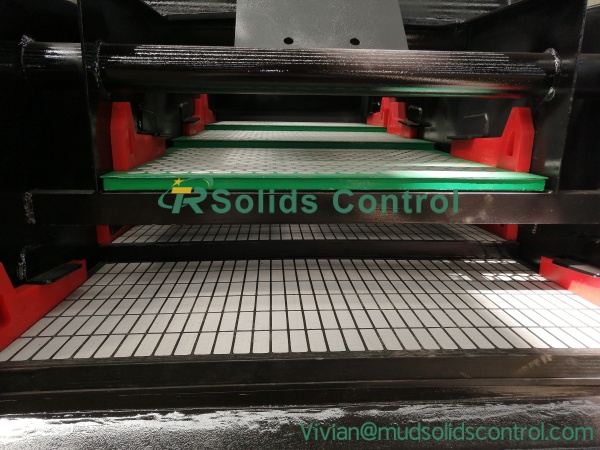
These screens increase screening efficiency with multiple mesh layers.
Features: Multiple fine-mesh layers; Improved cuttings removal; Better handling of fine solids
Best for: Wells with high viscosity mud or fine solid content.
6. Specialty Screens
Some drilling sites require screens engineered for unique conditions.
Common variations include:High-temperature resistant screens; Anti-blocking screens; Corrosion-resistant screens
Best for: Unconventional wells or harsh environments requiring enhanced durability.
Conclusion
Understanding different shale shaker screen types helps drilling teams make informed decisions based on cost, performance, and durability requirements. By choosing appropriate screens—whether composite, steel frame, API-rated, or multi-layer—operators can achieve more stable solids control and reduce operational downtime.
Understanding the Working Principle of Shale Shaker in Solids Control Systems
The shale shaker is the first and most important stage of solids control in drilling operations. To ensure stable performance, it is essential to understand the shale shaker working principle, including how vibration force, screen mesh, and motion mode function together to remove solids from drilling mud.
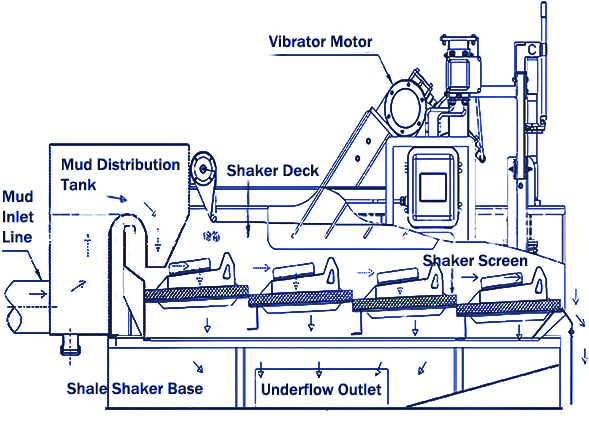
Basic Working Principle of Shale Shaker
The process includes four key steps:
- Vibration Force Generated by Motors: Two vibration motors rotate in opposite directions, producing a strong vibration force. This vibration drives the screen deck to move, conveying cuttings forward and allowing fluid to pass through the mesh.
- Separation Through Screen Mesh: Drilling mud flows onto the screen surface. Liquid phase passes through the screen openings. Solid cuttings are retained and discharged off the shaker deck.
- Conveying of Solids: Under continuous vibration, the cuttings move toward the discharge end. The motion type (linear, elliptical, or circular) affects conveying speed and dryness of cuttings.
- Clean Mud Recycling:After passing through the screen, the cleaned mud flows into the tank below and is reused in drilling operations.
Motion Modes in the Shale Shaker Working Principle
Different shale shakers adopt different vibration motions:
- Linear Motion: Strong vibration force. Fast conveying speed. Suitable for heavy mud and large flow capacity
- Balanced Elliptical Motion: Smooth movement. Better performance for fine screens. Suitable for stable drilling and light mud
Main Components Affecting the Working Principle
- Vibration Motors: Core driving units that generate the required G-force for screening.
- Screen Panels: Available in composite frame or steel frame; mesh size from API 20 to API 325.
- Screen Deck Angle: Adjusting the deck angle changes cuttings dryness and processing capacity.
- Mud Distribution System: Ensures drilling fluid spreads evenly onto the screen surface.
All components work together to achieve efficient separation.
Factors Influencing the Separation Effect
- Screen mesh size and quality
- Vibration G-force
- Deck angle adjustment
- Mud viscosity and density
- Fluid flow rate
The shale shaker working principle is based on vibration-driven screening that efficiently removes solids from drilling mud. By understanding how vibration motors, screens, and motion modes function, operators can improve separation quality and ensure stable drilling operations.
TR Solids Control continues to supply reliable shale shakers with stable performance, advanced structure, and long service life for global customers.
The Factors Influencing Oilfield Shale Shaker Price
Oilfield Shale Shaker Price – What You Need to Know Before Buying
When exploring the oilfield shale shaker price, many buyers focus on cost alone without considering the long-term value and performance of the equipment. The shale shaker is a vital component in oilfield solids control systems, responsible for separating drill cuttings from drilling fluids. Its quality, design, and configuration have a direct impact on drilling efficiency, mud recycling, and overall project cost.
Understanding the main factors that affect the shale shaker price helps you make a smarter investment for your drilling operation.
1. Main Factors Affecting Oilfield Shale Shaker Price
Several elements influence the oilfield shale shaker price, including:
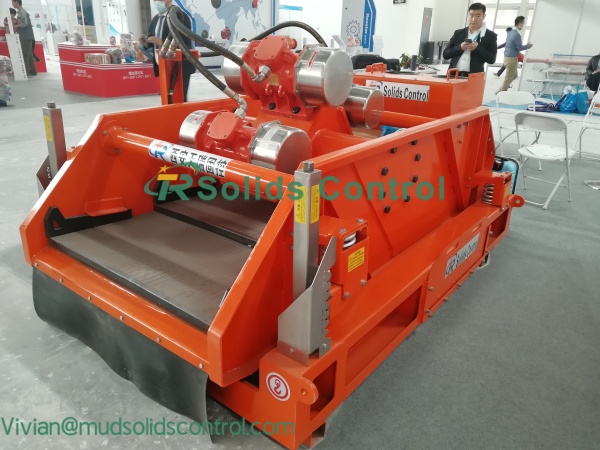
- Design and Motion Type
- Processing Capacity:
- Screen Type and Material
- Motor and Electrical Components
- Manufacturer and After-Sales Service
2. How to Choose the Right Shale Shaker for Your Project
Selecting a shale shaker is not only about the price, but also about compatibility and efficiency.
Consider the following:
- Mud flow rate and viscosity of your drilling project.
- Available deck area and vibration strength needed.
- Screen mesh sizes for required particle removal.
- Power source and site conditions (onshore or offshore).
Working closely with a professional shale shaker manufacturer can help you select a model that meets your technical and budgetary needs.
3. Why Invest in Quality Shale Shakers
While low-cost options may seem appealing, a durable and well-designed shaker reduces operational downtime, minimizes screen replacement frequency, and extends mud system life. Over time, these savings far outweigh the initial oilfield shale shaker price difference.
Reliable manufacturers like TR Solids Control offer cost-effective shale shakers that combine excellent performance, long lifespan, and global technical support — helping drilling contractors reduce total project costs and improve productivity.
The oilfield shale shaker price depends on multiple factors such as design, capacity, materials, and manufacturer reputation. By understanding these variables and focusing on overall performance rather than just cost, you can choose a shale shaker that delivers both efficiency and long-term value.
If you are searching for competitive shale shaker solutions, TR Solids Control provides high-quality, affordable equipment tailored for various drilling applications.