Tag Archives: shaker screen manufacturer
Shale Shakers for Efficient Drilling Operations
Shale shakers directly impact drilling continuity and cost-efficiency, making them essential in modern solids control systems. TR Solid Control specializes in developing high-performance shakers that improve drilling efficiency, extend equipment life, and reduce on-site failures through reliable design and stable operation.
During drilling, returning fluid carries cuttings and solids that must be removed. Without effective separation, fluid performance drops, tools wear faster, and downhole risks increase.
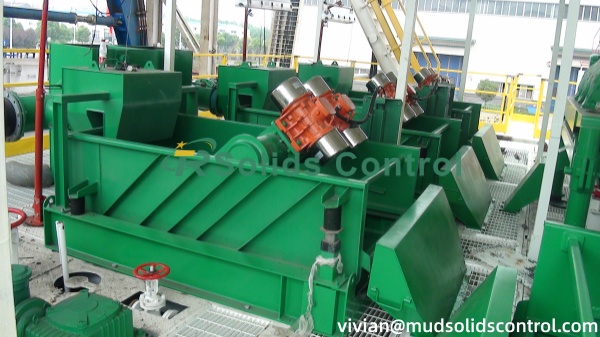
Shale shakers use high‑frequency vibration to quickly separate solids from liquid. Large cuttings are discharged, while clean fluid is recycled—helping maintain drilling speed and operational stability.
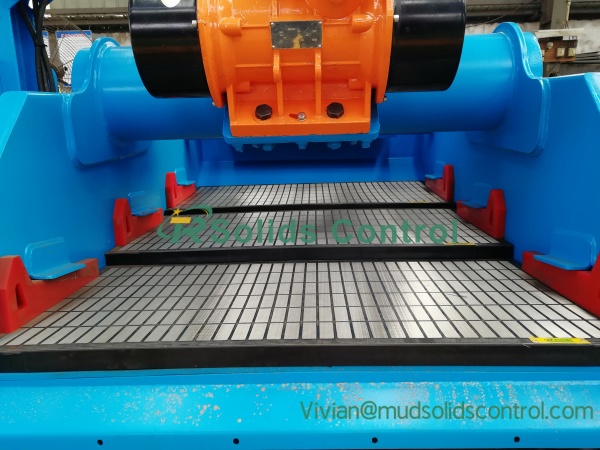
TR solid control shale shakers are designed for real oilfield conditions, offering key practical advantages: A high-strength welded screen box ensures durability for continuous operation. The smooth‑running vibration system delivers moderate, adjustable excitation force—handling varying flow rates and fluid viscosities while reducing screen blockage and boosting screening efficiency.
The TR drilling control shale shakers feature a quick‑release screen design for easy replacement and maintenance, helping to reduce on‑site downtime and improve overall operational efficiency. Built with reinforced corrosion, dust, and water resistance, they are well‑suited for harsh environments—including fields, saline‑alkali areas, and humid conditions—ensuring long‑term, stable performance.
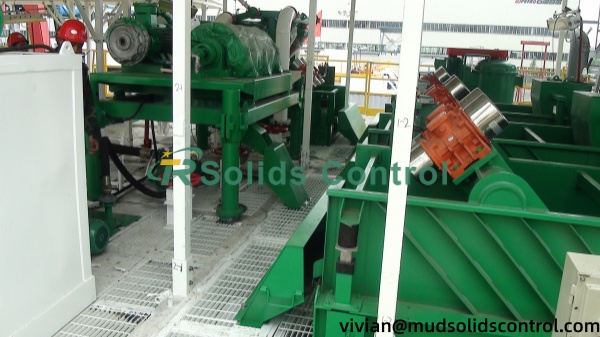
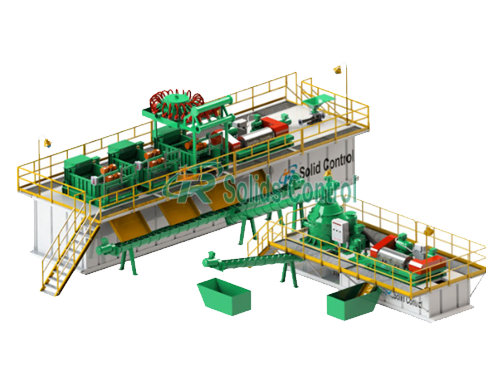
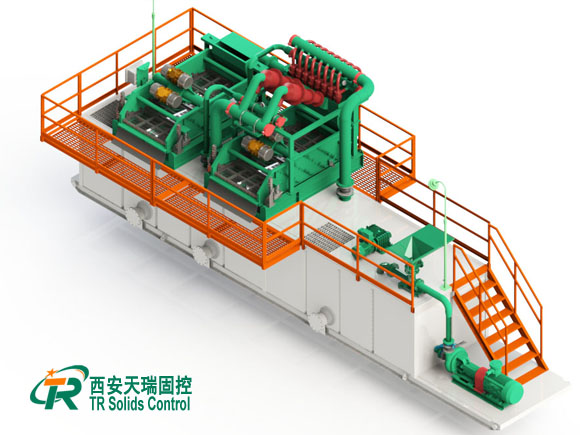
To further enhance drilling efficiency, TR Solid Control offers customized shale shaker solutions tailored to your wellsite conditions, drilling depth, and processing capacity. These shakers can be fully integrated with desanders, desilters, centrifuges, and other equipment to form a complete drilling fluid solids control system. This enables multi-stage purification and continuous processing—making drilling operations smoother, more efficient, and more economical.
As the drilling industry moves toward higher efficiency, safety, and environmental responsibility, choosing a reliable shale shaker manufacturer and equipment becomes increasingly important.
TR Solid Control Equipment continues to focus deeply on the solids control field, constantly improving product performance and service systems. With stable, high‑quality shale shakers, we support a wide range of drilling operations—helping users achieve greater efficiency and lower costs on site.
Shaker Screen Selection: Key to Drilling Screening Efficiency
In drilling solids control, the shale shaker screen is the essential consumable that determines separation precision, fluid-treatment efficiency, and overall shaker reliability. Choosing the wrong screen can cause rapid wear, fluid loss, or reduced purification-raising operational costs.
TR Solids Control supplies a full range of screens tailored to different drilling conditions and fluid properties, and provides a systematic selection method to help operators match the screen precisely to their on-site needs.
Choosing the right screen involves balancing several key factors based on drilling conditions:
- Mesh Size: Larger mesh (20-60) handles high‑flow, coarse cuttings. Medium mesh (80-120) suits routine fluid purification. Fine mesh (150-200) is for precise separation in shale gas or tight oil drilling.
- Material for Fluid Properties: Polyester: cost-effective for standard water-based fluids. Polyurethane: wear- and clog-resistant for high-viscosity, high-solids mud. 316L stainless steel: for corrosive conditions (e.g., salt-cement or acidic fluids).
- Dimensions & Mounting: Screen size and fastener positions must match your specific shaker model.
- Structure for Operational Intensity: Multi-layer composite screens (coarse base + fine top) withstand continuous, high-intensity vibration. Single-layer screens are adequate for intermittent or lighter operations, helping control costs.
TR Solids Control offers a comprehensive range of screen panels in polyurethane, polyester, and 316L stainless steel, covering 20-200 mesh and sized for all single, double, and triple shaker models. Custom screens are available for specialized drilling conditions.
Our screens are designed for precise fit, tension, and flatness on shakers, reducing fluid pooling and improving separation efficiency. The quick‑release snap design allows tool-free, one-person replacement, cutting maintenance downtime.
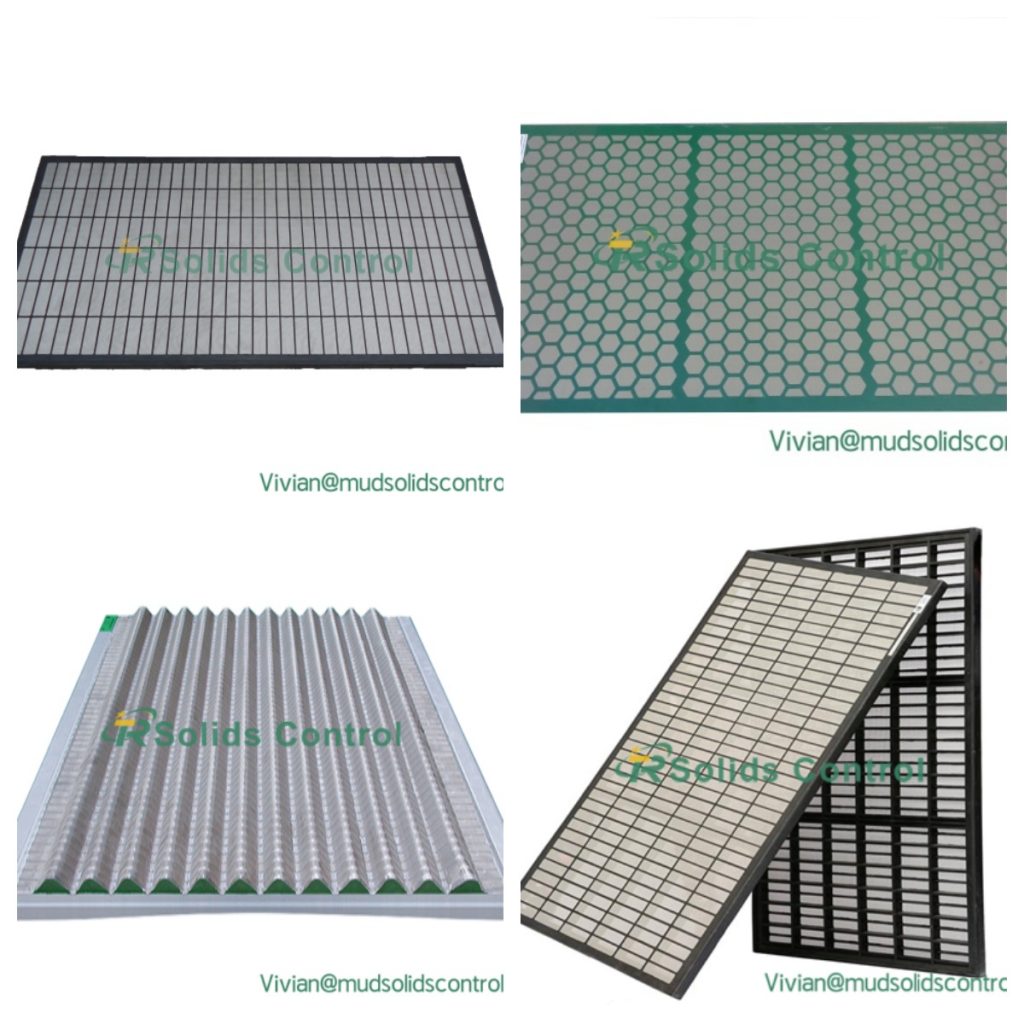
TR Solids Control provides full support to help you select the right shaker screens without guesswork.
- Professional Selection Guidance: Our technical team will recommend the best screen material, mesh size, and specs based on your drilling conditions, fluid type, cuttings size, and shaker model.
- On-Site Compatibility Testing: For complex conditions, we can perform on-site trials with different screens to evaluate performance and efficiency, ensuring the optimal choice.
- Operator Training: We train your on-site staff in screen selection and replacement methods, empowering them to adapt to changing conditions independently.
Screens selection may seem minor, but it directly affects screening efficiency, drilling fluid quality, and overall solids control performance. TR Solids Control not only supplies a full range of high-quality mesh products but also provides scientific selection methods and full technical support based on professional expertise and field experience. This ensures each mesh choice precisely matches drilling conditions, supporting efficient, stable cuttings separation and fluid purification to help reduce costs and improve drilling-process efficiency.
A Complete Guide to Shale Shaker Screen Replacement for Drilling Operations
Efficient solids control begins with well-maintained shale shakers — the first line of defense in the drilling fluid process. Among all components, the shale shaker screen is the most critical and frequently replaced part. Timely shale shaker screen replacement ensures stable operation, clean drilling mud, and reduced wear on downstream equipment.
For drilling contractors, knowing when and how to replace screens can prevent costly downtime and improve the overall performance of the solids control system.
1.Regular screen replacement is essential because it:
- Maintains optimal screening efficiency and fluid recovery.
- Prevents contamination of drilling mud.
- Reduces equipment stress and vibration load.
- Lowers overall operation costs by avoiding damage to the shaker deck.
A damaged or clogged screen can quickly affect the performance of the entire mud system, making preventive replacement a necessary maintenance step.
2. When Should You Replace a Shale Shaker Screen?
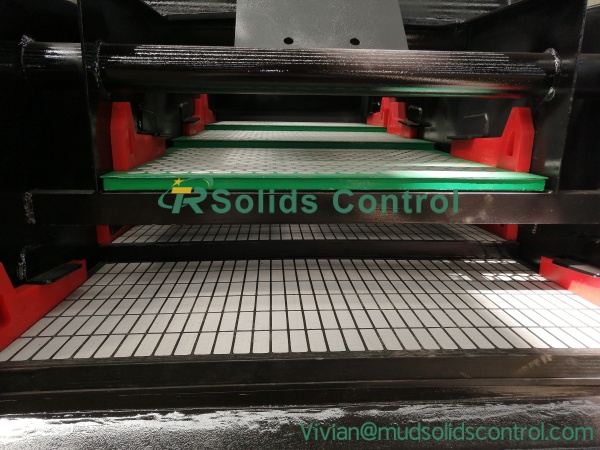
Recognizing the right time for shale shaker screen replacement can save both time and money. Common indicators include:
- Noticeable fluid loss or overflow on the shaker deck.
- Tears or holes visible in the screen mesh.
- Reduced separation performance, with more solids in the returned mud.
- Abnormal vibration or noise during operation.
- Excessive blinding or plugging that cannot be cleaned effectively.
Replacing the screen before complete failure helps maintain system efficiency and prevents unplanned downtime.
3. How to Replace a Shale Shaker Screen: Step-by-Step Process
- Stop the machine and disconnect power: Ensure all vibration motors are turned off and the system is depressurized.
- Remove worn screens: Release the tensioning assemblies or wedges carefully to avoid damage to the frame.
- Clean the shaker deck and frame: Wipe down the screen bed to remove mud and residue before installation.
- Install new screens: Place new screens securely and align them properly. Tighten clamps or wedges to achieve uniform tension.
- Check seals and gaskets: Ensure all sealing surfaces are intact to prevent mud leakage.
- Restart and test: Gradually restart the shaker and inspect for even vibration and no fluid bypassing.
Following the correct procedure ensures optimal performance and prolongs screen life.
4. Maintenance Tips for Extending Screen Life
- Clean screens regularly using soft brushes or water (avoid high pressure).
- Avoid dropping heavy tools or cuttings onto the screen surface.
- Maintain proper vibration settings and deck angle.
- Store spare screens flat and dry to prevent corrosion or warping.
- Inspect screens daily and replace them at the first sign of damage.
Following these tips ensures consistent mud separation efficiency and longer equipment lifespan.
5. Conclusion
Timely shale shaker screen replacement is essential for maintaining drilling efficiency and protecting your solids control system. Using high-quality screens, following the correct replacement process, and working with a trusted supplier will help reduce downtime and extend equipment life.
As a professional manufacturer, TR Solids Control offers reliable shaker screens and full after-sales support — helping oilfield operators achieve efficient, clean, and sustainable drilling performance worldwide.