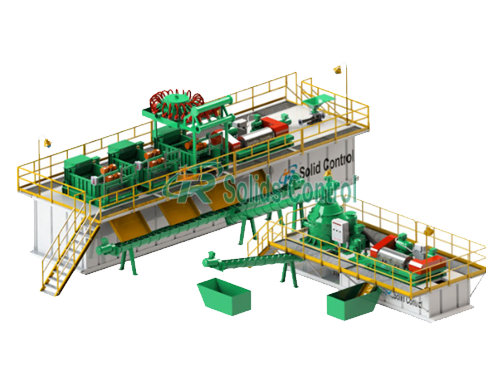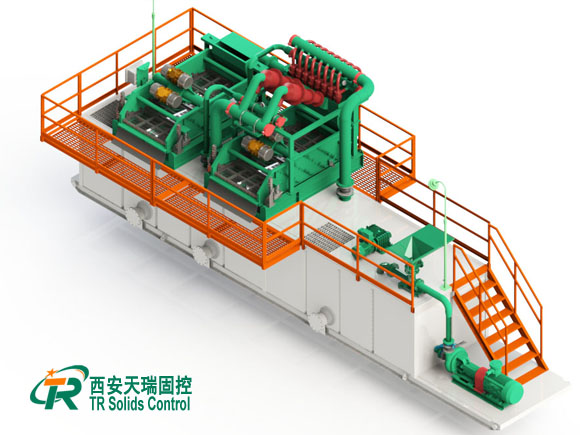
Mud Shale Shaker Manufacturer | Shale Shaker Supplier
TR is China Shale Shaker Manufacturer and Shale Shaker Supplier More »
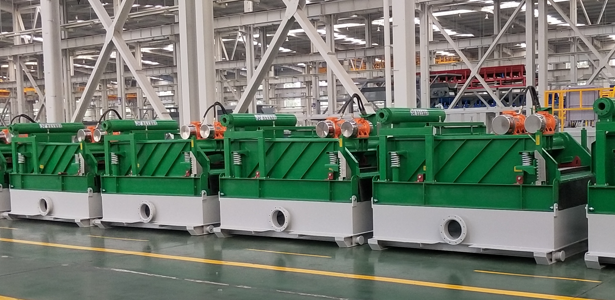
Drilling Shale Shaker | Drilling Shale Shaker Manufacturer
Drilling Shale Shaker | Drilling Shale Shaker Manufacturer More »
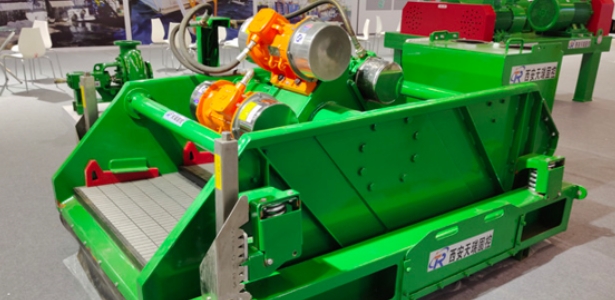
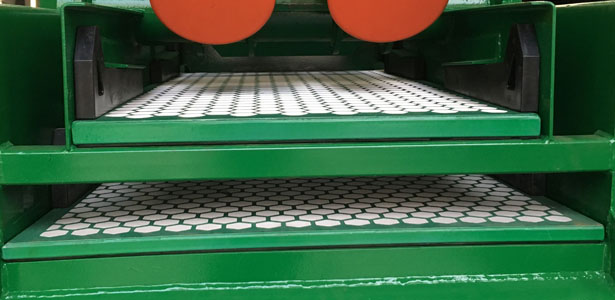
Mongoose Shale Shaker
TR Solids Control is Mongoose Shale Shaker Supplies and Mongoose Shale Shaker Screen Supplies. More »
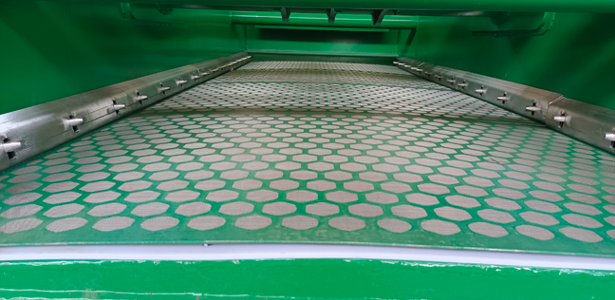
Derrick Shakers | Derrick Shakers Supplier
Derrick Shakers are Drilling Linear Shale Shaker,TR is Derrick Shaker Supplier. More »
5 Reliable Oilfield Drilling Shale Shaker Rankings for Efficient Solids Control
The shale shaker ranking plays a vital role in understanding which solids control systems perform best in the oil and gas industry. As the first stage of the drilling mud treatment process, the shale shaker directly impacts drilling efficiency, mud quality, and equipment longevity. By comparing different shale shakers worldwide, operators can make smarter investment decisions and ensure stable, cost-effective drilling performance.
Below is an overview of reliable shale shaker brands recognized for their reliability, innovation, and solids control performance. (Note: The ranking reflects general industry reputation and user feedback.)
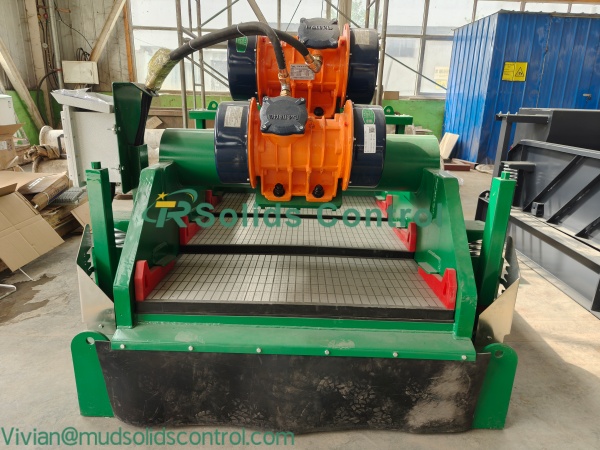
1. Derrick Corporation (USA)
Derrick is widely recognized for high-performance linear motion shale shakers that offer superior separation efficiency. Their equipment is used extensively across oilfields worldwide for its durability and advanced screen technology.
2. MI-SWACO (Schlumberger Group)
Known for innovative design and robust build quality, MI-SWACO shakers are used in a wide range of drilling operations. Their adaptive screen systems allow for flexible solids control configurations.
3. NOV Brandt (National Oilwell Varco)
NOV Brandt provides field-proven shale shakers known for high throughput and low maintenance. Their equipment is designed to handle challenging drilling environments efficiently.
4. GN Solids Control (China)
GN offers a variety of solids control solutions that balance cost-effectiveness and reliability. Their shale shakers are well-known in Asia, the Middle East, and Latin America for consistent performance and technical support.
5. TR Solids Control (China)
TR Solids Control is one of China’s excellent solids control equipment manufacturers, providing high-quality shale shakers designed for oilfield drilling, HDD, and tunneling applications.With a commitment to quality and customer satisfaction, TR Solids Control continues to build a strong reputation in global shale shaker ranking evaluations.
A product’s position in the shale shaker ranking depends on its field performance, manufacturing standards, and long-term reliability. Here are the main influencing factors:
- Separation Efficiency: How effectively the shaker removes cuttings from drilling mud.
- Durability: The ability to operate continuously in harsh conditions without failure.
- Screen Compatibility: Use of composite or steel frame screens with various mesh sizes.
- Energy Consumption: Efficiency in power usage while maintaining performance.
- Maintenance & Spare Parts: Ease of replacement and global service availability.
Manufacturers that balance all these aspects tend to rank higher in global shale shaker performance reviews.
The shale shaker is the foundation of every drilling mud recycling system. A high-ranking shale shaker ensures cleaner drilling fluids, lower waste generation, and improved wellbore stability. Poor-quality shakers, on the other hand, can lead to increased operational costs, more downtime, and faster wear on downstream solids control equipment.Choosing a reliable shale shaker is not only about price—it’s about efficiency, consistency, and long-term savings.
The shale shaker ranking offers valuable insights into equipment performance, helping drilling contractors choose solutions that improve efficiency and lower costs. Brands like Derrick, NOV Brandt, and TR Solids Control continue to push innovation and reliability standards, contributing to safer and cleaner drilling operations worldwide.
For dependable shale shakers and customized solids control systems, TR Solids Control remains a strong partner for oilfield and industrial projects seeking consistent quality and high performance.
Oilfield Drilling Mud Shale Shaker – Efficient Solids Control Equipment for Modern Drilling Operations
Oilfield Drilling Mud Shale Shaker – Key Equipment for Effective Solids Control
The oilfield drilling mud shale shaker is the first and most critical stage of the solids control process in drilling operations. It removes large drill cuttings from the circulating drilling fluid, ensuring that the mud properties remain stable and reusable. An efficient shale shaker directly improves drilling performance, reduces fluid loss, and lowers operational costs.
As a professional manufacturer, TR Solids Control is an excellent solids control equipment supplier in China, offering high-performance shale shakers designed for oilfield, HDD, tunneling, and geothermal drilling projects. Their equipment combines advanced vibration technology with durable materials to meet global drilling demands.
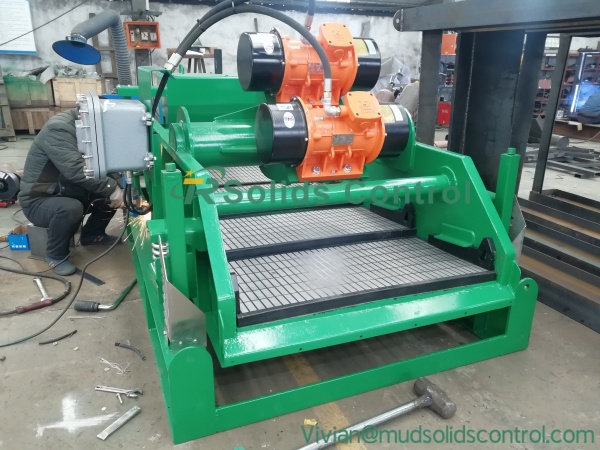
1. The Role of the Oilfield Drilling Mud Shale Shaker
In every drilling operation, maintaining clean and consistent drilling mud is essential. The oilfield drilling mud shale shaker serves as the first defense line in removing solids from drilling fluid.
By efficiently separating large particles, it prevents damage to desanders, desilters, and centrifuges, thereby extending the life of the entire solids control system.
2. How the Shale Shaker Works
The oilfield drilling mud shale shaker operates by vibrating a series of fine mesh screens that filter out drill cuttings from the returning mud stream.
The vibration motion — linear or balanced elliptical — conveys solids off the screen surface while allowing fluid to pass through.
This process continuously cleans the drilling mud before it is recirculated, maintaining consistent viscosity and density throughout the drilling cycle.
3. Advantages of Choosing TR Solids Control
TR Solids Control is recognized as one of China’s excellent solids control equipment suppliers, providing not only shale shakers but also complete mud systems, including desanders, desilters, vacuum degassers, and decanter centrifuges.
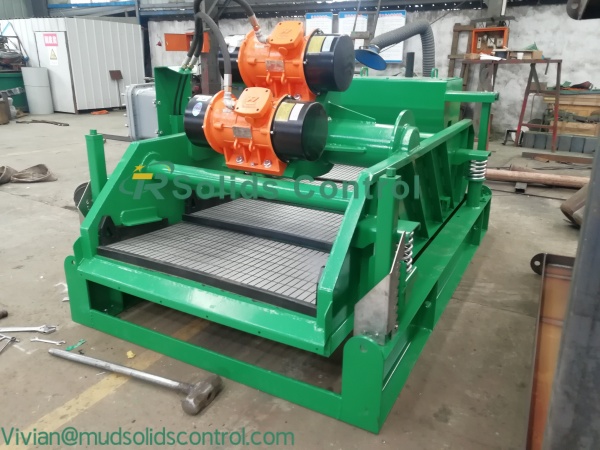
Advantages include:
- API and ISO certified manufacturing.
- Strict quality control with advanced production facilities.
- Technical support and spare parts availability.
- Competitive pricing and fast international delivery.
By choosing TR Solids Control, you gain a reliable partner that ensures stable operation and long-term cost savings.
An oilfield drilling mud shale shaker plays a vital role in solids control and drilling efficiency. By selecting a high-quality shaker from a reliable supplier like TR Solids Control, operators can ensure cleaner drilling mud, improved productivity, and reduced overall costs.
With years of experience and continuous innovation, TR Solids Control remains a trusted partner for global drilling contractors seeking efficient, durable, and cost-effective solids control equipment.
The Factors Influencing Oilfield Shale Shaker Price
Oilfield Shale Shaker Price – What You Need to Know Before Buying
When exploring the oilfield shale shaker price, many buyers focus on cost alone without considering the long-term value and performance of the equipment. The shale shaker is a vital component in oilfield solids control systems, responsible for separating drill cuttings from drilling fluids. Its quality, design, and configuration have a direct impact on drilling efficiency, mud recycling, and overall project cost.
Understanding the main factors that affect the shale shaker price helps you make a smarter investment for your drilling operation.
1. Main Factors Affecting Oilfield Shale Shaker Price
Several elements influence the oilfield shale shaker price, including:
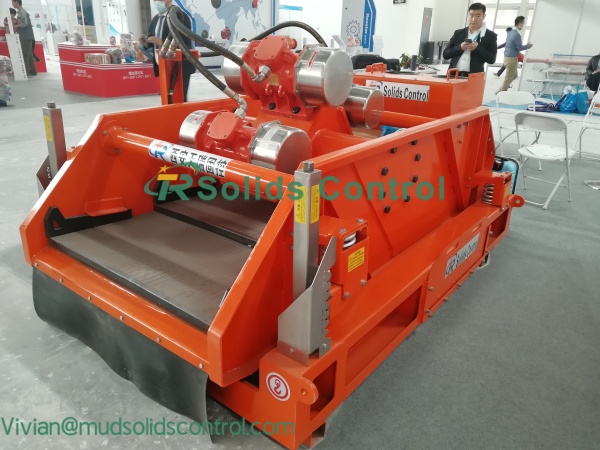
- Design and Motion Type
- Processing Capacity:
- Screen Type and Material
- Motor and Electrical Components
- Manufacturer and After-Sales Service
2. How to Choose the Right Shale Shaker for Your Project
Selecting a shale shaker is not only about the price, but also about compatibility and efficiency.
Consider the following:
- Mud flow rate and viscosity of your drilling project.
- Available deck area and vibration strength needed.
- Screen mesh sizes for required particle removal.
- Power source and site conditions (onshore or offshore).
Working closely with a professional shale shaker manufacturer can help you select a model that meets your technical and budgetary needs.
3. Why Invest in Quality Shale Shakers
While low-cost options may seem appealing, a durable and well-designed shaker reduces operational downtime, minimizes screen replacement frequency, and extends mud system life. Over time, these savings far outweigh the initial oilfield shale shaker price difference.
Reliable manufacturers like TR Solids Control offer cost-effective shale shakers that combine excellent performance, long lifespan, and global technical support — helping drilling contractors reduce total project costs and improve productivity.
The oilfield shale shaker price depends on multiple factors such as design, capacity, materials, and manufacturer reputation. By understanding these variables and focusing on overall performance rather than just cost, you can choose a shale shaker that delivers both efficiency and long-term value.
If you are searching for competitive shale shaker solutions, TR Solids Control provides high-quality, affordable equipment tailored for various drilling applications.
Solids Control Shale Shaker Operating Procedures – Safe and Efficient Drilling Mud Management
Proper solids control shale shaker operating procedures are essential for maintaining high drilling efficiency and protecting downstream equipment. The shale shaker is the first stage of solids control in drilling operations, responsible for removing large cuttings and maintaining the quality of drilling fluid. Following correct operational guidelines helps reduce mud loss, prevent screen damage, and ensure long-term system stability.
1. Pre-Operation Inspection
- Check vibration motors, power cables, and grounding connections.
- Ensure the screen panels are properly tensioned and secured.
- Verify that all bolts and fasteners are tight.
- Inspect the mud flow line and ensure smooth entry onto the shaker deck.
- Confirm that the discharge chutes and collection tanks are clean and unobstructed.
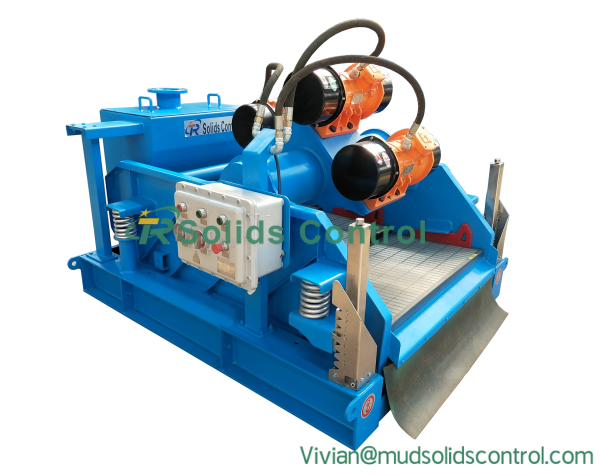
2. Startup and Operation
- Start the vibration motor first before mud circulation begins.
- Adjust deck angle and vibration intensity according to drilling mud viscosity and flow rate.
- Keep the mud evenly distributed across the entire shaker screen.
- Continuously monitor the screen performance and make adjustments as needed.
3. Routine Maintenance
- Replace worn or damaged shaker screens promptly.
- Clean the screen surface frequently to prevent clogging.
- Check motor bearings and lubricate as per manufacturer guidelines.
- Keep electrical enclosures and control panels dry and clean.
4. Shutdown Procedures
- Gradually reduce mud feed before turning off the vibration motor.
- Allow residual mud to clear from the screen surface.
- Turn off power and disconnect the circuit if maintenance is required.
- Clean all screens and remove debris after each operation.
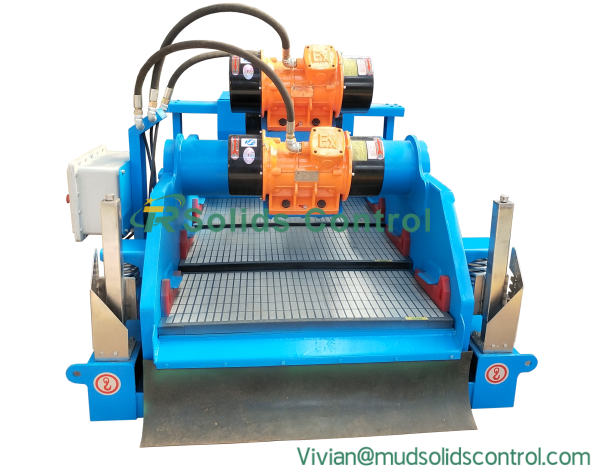
5. Safety Precautions
- Always wear protective equipment during operation.
- Do not stand on or touch vibrating parts when the shaker is running.
- Follow lockout/tagout procedures before maintenance.
- Regularly train operators on safe shale shaker operating procedures and emergency handling.
Following standardized solids control shale shaker operating procedures not only enhances drilling efficiency but also ensures operator safety and equipment longevity. A well-maintained shale shaker improves mud recycling, reduces fluid loss, and supports the overall stability of the drilling operation.
If you’re seeking high-performance shale shakers and complete solids control solutions, TR Solids Control provides reliable equipment and technical support to keep your drilling operations running smoothly and efficiently.
Reliable Oilfield Solids Control Shale Shaker Manufacturer for Efficient Drilling Operations
TR Shale Shaker – Reliable Oilfield Solids Control Shale Shaker Manufacturer
As a professional oilfield solids control shale shaker manufacturer, TR Solids Control is dedicated to delivering advanced shale shaker solutions that ensure high efficiency and stable performance in drilling operations. The TR shale shaker is a key piece of solids control equipment used to separate drilling cuttings from mud, improving fluid quality and extending the life of downstream equipment such as desanders, desilters, and centrifuges.
High-Efficiency Design and Robust Construction
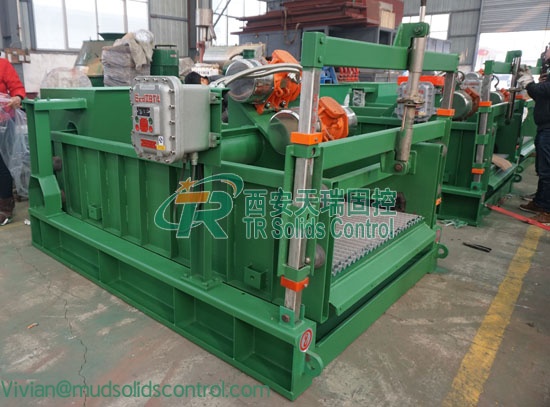
The TR shale shaker features a linear motion design with adjustable G-force and deck angle, allowing operators to handle various drilling conditions with maximum separation performance. Its stainless steel screen frame, strong vibration motor, and wear-resistant components guarantee durability and low maintenance costs, even under harsh oilfield environments.
Key Advantages of TR Shale Shaker
- High Processing Capacity: Up to 140 m³/h depending on model and mud properties.
- Efficient Solid-Liquid Separation: Multi-layer composite shaker screens ensure precise particle separation.
- Adjustable Vibration Strength: Optimized for different drilling mud densities.
- Easy Maintenance: Quick-lock screen system and anti-corrosion coating for long service life.
- Wide Application: Suitable for oil and gas drilling, HDD, CBM, and geothermal projects.
Why Choose TR as Your Shale Shaker Manufacturer
As an experienced oilfield solids control shale shaker manufacturer, TR Solids Control not only provides reliable shale shaker units but also offers complete solids control systems, including mud cleaners, centrifuges, pumps, and mixing hoppers. With ISO-certified production, strict quality inspection, and excellent after-sales service, TR ensures every customer receives equipment that meets international standards.
Conclusion
If you’re looking for a dependable oilfield solids control shale shaker manufacturer, TR Solids Control is your trusted partner. Our TR shale shaker combines advanced design, consistent performance, and global service support — making it an ideal choice for modern drilling operations.
Buyer’s Guide: Key Features to Look for in a Shale Shaker
Choosing the right shale shaker is crucial for achieving efficient solids control and stable drilling performance. As the first stage of the solids control system, shale shakers remove drill cuttings from drilling mud, protecting downstream equipment and reducing overall operational costs. This buyer’s guide highlights the key shale shaker features you should consider to ensure reliability, efficiency, and value for your drilling operation.
1. Vibration Motion Type
The shaker’s vibration pattern determines solids movement and separation efficiency.
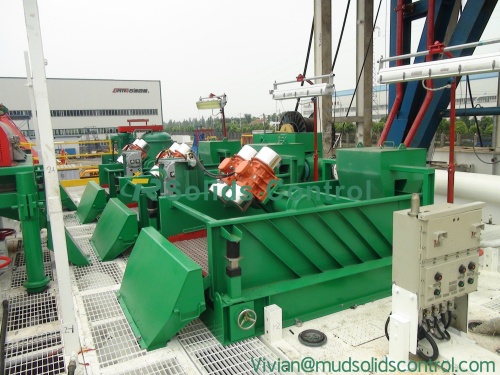
- Linear motion shale shakers: Deliver high G-force and fast cuttings conveyance—ideal for heavy drilling loads.
- Balanced elliptical motion shakers: Provide smoother operation with better fluid recovery for less aggressive drilling.
Select a motion type that best matches your drilling environment and mud properties.
2. Screen Capacity and Design
High-capacity shale shaker screens are essential for effective solids removal. Look for:
- API-certified mesh sizes for accurate particle separation.
- Composite frame screens for durability and corrosion resistance.
- Quick screen replacement systems to reduce downtime and maintenance costs.
3. Adjustable Deck Angle and Vibration Force
A good shale shaker allows you to adjust the deck angle and vibration intensity to adapt to changing drilling conditions. This flexibility improves solids conveyance, prevents screen flooding, and enhances overall mud treatment efficiency.
4. Robust Structure and Materials
Choose a shaker made with high-strength steel and anti-corrosion coatings to withstand harsh drilling environments. A solid construction minimizes vibration fatigue and extends equipment lifespan.
5. Ease of Maintenance
Time is money on a drilling site. Shale shakers with easy-access panels, simple tensioning devices, and modular components help speed up maintenance, reducing downtime and increasing productivity.
6. Energy Efficiency and Noise Control
Modern shakers are designed for lower energy consumption and quieter operation. This not only reduces running costs but also provides a safer and more comfortable work environment.
Conclusion
Selecting the right shale shaker involves more than just comparing prices—it’s about finding a system that balances performance, durability, and cost-effectiveness. By focusing on vibration motion, screen design, adjustability, and ease of maintenance, buyers can ensure optimal solids control and longer equipment life in every drilling operation.
How to Choose the Right Shale Shaker Screen for Your Operation
Selecting the correct shale shaker screen is one of the most important decisions in any drilling operation. The screen directly affects solids control efficiency, drilling fluid quality, and overall equipment performance. With so many screen types and configurations available, understanding how to choose the right shale shaker screen ensures maximum productivity and lower operating costs.
1. Understand Mesh Size and API Rating
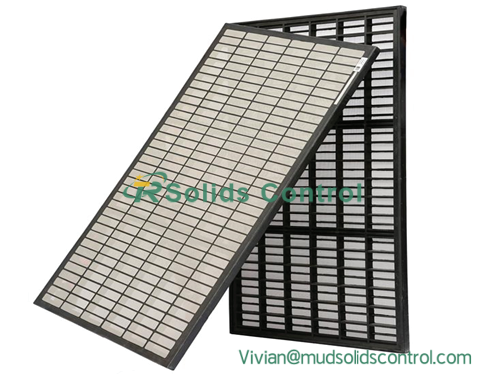
Mesh size determines the size of particles that can pass through the screen. Shaker screens are classified using API (American Petroleum Institute) standards, which indicate their separation capability.
- Coarse screens (API 20–80): Used for larger solids in early-stage drilling.
- Medium screens (API 100–150): Suitable for general solids control.
- Fine screens (API 170–325): Used for fine solids and high-performance filtration.
Selecting the proper API size ensures efficient fluid recovery without overloading the system.
2. Choose the Right Screen Type
There are two main shale shaker screen types:
- Steel Frame Screens: Strong and durable, ideal for heavy-duty drilling operations.
- Composite Frame Screens: Lightweight, corrosion-resistant, and longer-lasting, providing improved fluid handling and lower replacement costs.
Choose composite screens if your operation prioritizes longevity and reduced maintenance.
3. Consider the Drilling Conditions
Different drilling environments require specific screen characteristics.
- High-temperature wells: Use heat-resistant materials.
- High-viscosity mud: Opt for screens with larger mesh openings.
- Fine solids drilling: Choose multi-layer fine mesh screens for better cuttings control.
4. Focus on Screen Compatibility
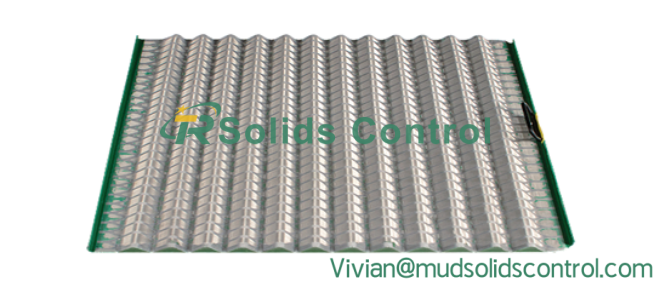
Always ensure that the shale shaker screen fits perfectly with your shale shaker brand and model (such as Mongoose, Derrick, Brandt, or FLC). Poorly fitted screens can lead to mud leakage, reduced efficiency, and equipment wear.
5. Balance Cost and Durability
High-quality shale shaker screens may cost more initially but provide longer service life and better performance. Investing in premium screens reduces downtime and overall operating expenses.
Conclusion
Choosing the right shale shaker screen for your operation requires balancing mesh size, screen type, drilling conditions, and cost efficiency. The correct selection ensures optimal solids control, better drilling fluid recovery, and longer equipment lifespan—making it a key factor in achieving sustainable, cost-effective drilling operations.
5 Common Shale Shaker Problems and How to Fix Them
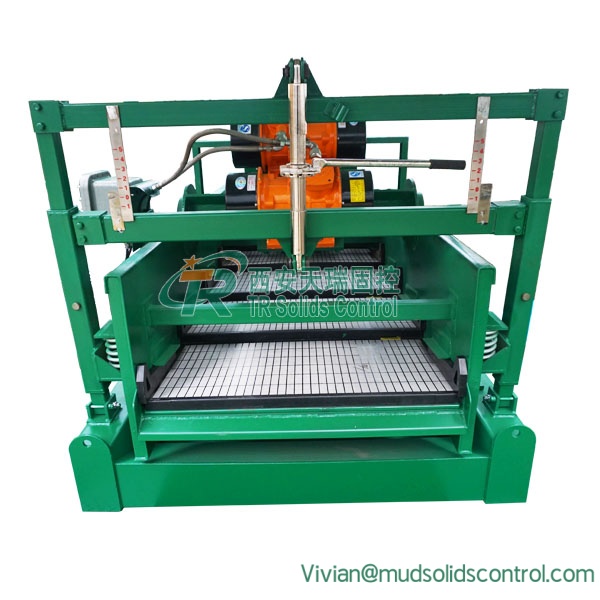
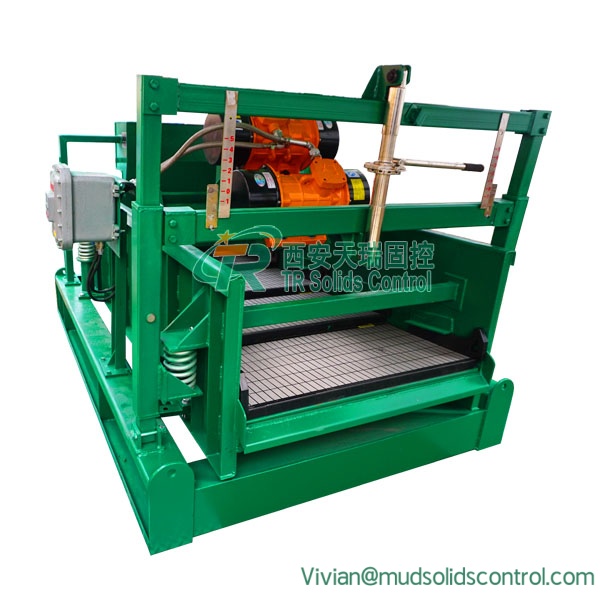
Efficient solids control starts with a properly working shale shaker, the first line of defense in any drilling operation. However, even the best shale shakers can experience mechanical or operational issues that reduce performance. Understanding common shale shaker problems—and knowing how to fix them—helps ensure smooth drilling operations, optimal mud recovery, and reduced downtime.
1. Screen Blinding or Clogging
Problem: Drilling cuttings or sticky solids block the mesh openings, preventing proper fluid flow.
Solution:
Use appropriate shaker screen mesh sizes for the drilling fluid.
Clean or replace screens regularly.
Apply screen cleaners or pretensioned composite screens to minimize clogging.
2. Excessive Vibration or Imbalance
Problem: Uneven vibration leads to noise, screen damage, and poor solids separation.
Solution:
Check and tighten all bolts and fasteners.
Inspect the vibration motors for misalignment or worn bearings.
Ensure the shaker deck is level and balanced.
3. Mud Leakage Around Screens
Problem: Drilling mud escapes around the screen edges instead of passing through the mesh.
Solution:
Replace worn rubber sealing strips or gaskets.
Verify the screen tensioning device and tensioning assembly are properly adjusted.
Inspect deck surfaces for damage or corrosion.
4. Short Screen Life
Problem: Screens tear or wear out quickly, increasing maintenance costs.
Solution:
Use quality shaker screens made of stainless steel or composite materials.
Avoid overtightening the tensioning system.
Check for uneven deck vibration or improper installation.
5. Poor Solids Separation Efficiency
Problem: Too much solid material remains in the drilling fluid, reducing mud quality.
Solution:
Adjust the deck angle for better solids conveyance.
Check that screens are properly tensioned and aligned.
Maintain a consistent G-force for stable operation.
Conclusion
Most shale shaker problems can be avoided through regular inspection, proper maintenance, and the use of high-quality parts such as shaker screens, tensioning devices, and rubber strips. By addressing issues early, operators can improve solids control efficiency, extend equipment lifespan, and keep drilling operations running smoothly.
Shale Shaker Tensioning Assembly – Ensuring Secure Screen Installation for Efficient Solids Control
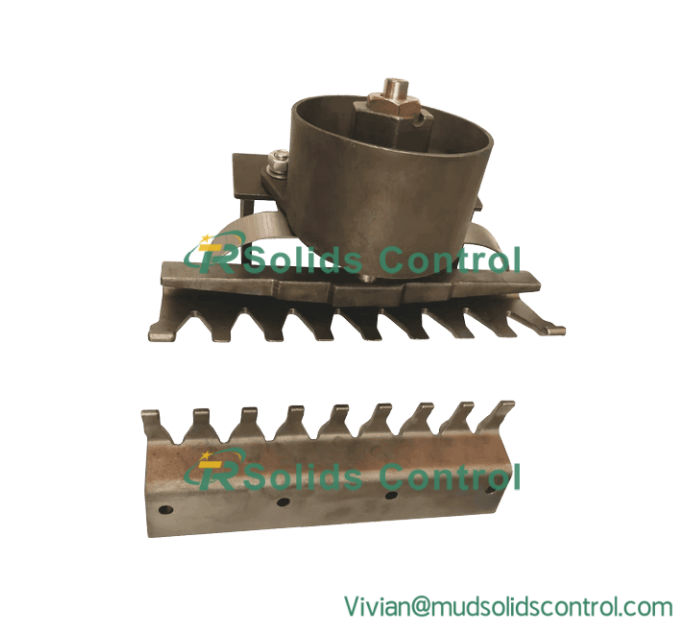
The shale shaker tensioning assembly is an essential component in drilling solids control equipment. Designed to firmly secure shaker screens to the shaker deck, the tensioning assembly ensures efficient separation of drill cuttings from drilling fluids. Without a reliable tensioning system, screens may loosen, causing fluid bypass, reduced solids removal efficiency, and unnecessary mud loss. By maintaining proper screen stability, the shale shaker tensioning assembly plays a key role in the overall performance of shale shakers.
Functions of a Shale Shaker Tensioning Assembly
Screen Stability – Keeps shaker screens firmly in position during vibration.
Efficient Solids Removal – Ensures all drilling fluids pass through the mesh for maximum filtration.
Leakage Prevention – Reduces the risk of drilling mud bypassing around the screens.
Extended Screen Life – Minimizes damage from uneven wear caused by loose fitting.
Benefits of High-Quality Tensioning Assemblies
Reliable Performance – Maintains consistent screen tension even under high G-force conditions.
Durability – Resistant to abrasion, vibration, and exposure to drilling fluids.
Easy Maintenance – Allows quick installation and replacement of screens.
Cost Efficiency – Reduces downtime and improves overall drilling productivity.
Conclusion
A shale shaker tensioning assembly may seem like a small component, but it is critical for reliable solids control operations. By keeping shaker screens secure, preventing mud loss, and improving separation efficiency, this assembly ensures better drilling performance and reduced operational costs. For long-lasting and stable performance, choosing a high-quality tensioning assembly is essential for any shale shaker system.
Shaker Screen Tensioning Device – Key Component for Reliable Shale Shaker Performance
A shaker screen tensioning device is one of the most important parts of a shale shaker, ensuring that screens are held firmly in place for efficient solids separation. Without proper screen tensioning, drilling fluids can bypass the screen mesh, leading to poor solids control, higher mud loss, and reduced shaker efficiency. By keeping screens tightly secured to the shaker deck, the shaker screen tensioning device plays a vital role in reliable drilling operations.
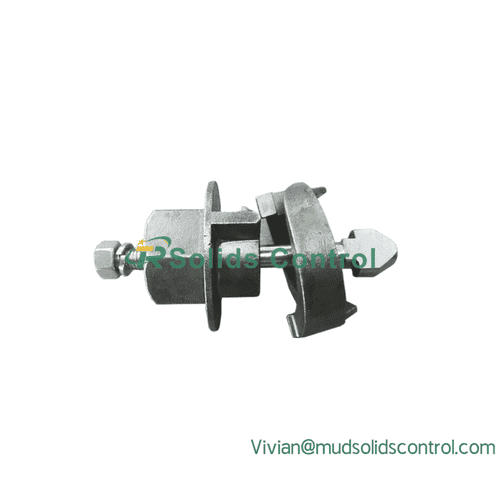
Functions of a Shaker Screen Tensioning Device
Firm Screen Positioning – Prevents screen movement or looseness during vibration.
Improved Separation Efficiency – Ensures drilling fluids pass through the screen for maximum solids removal.
Leakage Prevention – Reduces mud bypass and improves fluid recovery.
Extended Screen Life – Prevents excessive wear and damage caused by improper fitting.
Benefits of High-Quality Tensioning Devices
Consistent Performance – Maintains stable screen tension even in high-G force shale shakers.
Durable Construction – Resistant to vibration, abrasion, and drilling fluids.
Easy Installation & Replacement – Saves time during screen changes.
Lower Operational Costs – Reduces downtime and prevents unnecessary screen replacements.
Conclusion
The shaker screen tensioning device may seem like a small accessory, but its role in shale shaker performance is critical. By keeping screens secure, preventing leaks, and ensuring efficient solids control, it directly improves drilling fluid management and reduces operational costs. For reliable and long-lasting performance, investing in high-quality shaker screen tensioning devices is essential for any drilling project.
Contact Us:TR Solids Control
Sales office:No.10 West of North 2nd Ring Road Xi’an City, Shaanxi Province.
Manufacture: No.2 Goods yard road Xianyang City, Shaanxi Province.
Tel:+86-29-86332919
Call:+86-15339143604
WhatsApp:+86-15339143604
E-mail:Vivian@mudsolidscontrol.com
Web:https://www.trjxsb.com/