


Key Factors Influence Drilling Shale Shaker Performance
In oil and gas drilling solid control systems, shale shaker performance directly affects mud recovery efficiency, drilling costs, and the operation of subsequent solid control equipment. As the first process in the mud handling system, the separation capability and operational stability of the drilling shale shaker are influenced by various factors. Understanding the key factors that affect shale shaker performance helps in making informed equipment selection on-site, as well as in scientific operation and maintenance.
Vibration parameters are the core factors determining the performance of a shale shaker, mainly including:
1. Vibration type. Common types of vibrating screens include:
Linear vibrating screens have strong conveying capacity and processing capability, making them suitable for high-discharge drilling conditions, and they are widely used at most oilfield sites.
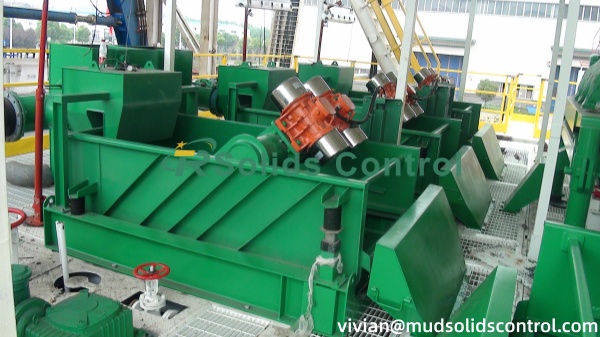
2. Vibration intensity (G-force). Appropriate vibration intensity helps to:
- Improve solid-liquid separation efficiency
- Accelerate the transport speed of cuttings
- Reduce screen surface blockage
In the design of shale shakers in TR solid control equipment, the vibration motor parameters are reasonably matched to ensure stable operation under different working conditions.
The screen is a component directly involved in the separation process, and its configuration significantly affects shale shaker performance.
1. Screen mesh selection: Too low a mesh count results in insufficient solid separation; too high a mesh count can easily clog the screen and reduce processing capacity. It is necessary to match it appropriately according to the properties of the drilling fluid and the drilling stage.
2. Screen structure and material: Composite frame screens are gradually becoming the mainstream choice in practical applications due to their high strength, long service life, and easy replacement. TR Solid Control equipment can provide screens in various specifications to meet the needs of different shaker models.
Impact of Operating and Installation Conditions
- 1. Vibration Screen Installation Angle: A reasonable screen box angle can improve cuttings discharge and increase screening efficiency.
- 2. Uniformity of Slurry Distribution: Uneven slurry flow can cause local screen overload, affecting the overall shale shaker performance.
- 3. Routine Maintenance: This includes checking the vibration motor, the tension of the screens, and the condition of the shock-absorbing springs. Proper maintenance helps ensure long-term stable operation of the equipment.
A reasonable selection helps improve screening efficiency and reduce operating costs.
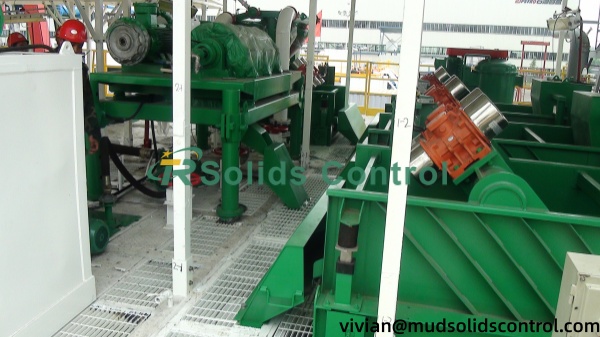
From a long-term operational perspective, a shale shaker’s structural design and manufacturing quality are fundamental to its performance. As a professional Chinese solid control equipment supplier, TR Solid Control Equipment prioritizes structural strength, durability, vibration system stability, and screen compatibility in its shale shaker manufacturing. Its shale shaker products are widely applied in oil and gas drilling and related solid control fields.
Shale shaker performance is affected by multiple factors, including vibration parameters, screen configuration, operating conditions, and equipment design. Only through proper selection, rational operation, and standardized maintenance can drilling shale shakers achieve stable and efficient separation. With scientific configuration and reliable equipment support, they will continue to play a key role in the entire drilling solids control system.


Leave a Reply