


API-certified Shale Shaker Manufacturer
API certification for shale shakers is a comprehensive assessment, covering materials, manufacturing, and final performance, all aligned with real drilling conditions. It sets clear standards for performance, design, and quality control.
- Screen Specifications: API defines strict requirements for mesh size (API 20–400), material, and separation accuracy. Screens must match drilling fluid particle size and offer wear and corrosion resistance.
- Manufacturing Process: Production follows API-recommended practices and standards like SY/T 5612-2018. Welding, assembly, and anti-corrosion treatments are standardized to ensure reliability in harsh drilling environments.
- Performance Parameters: Key metrics-including capacity, vibration mode, and excitation force-must meet API requirements. Screens must provide stable solid‑liquid separation, reduce downstream load, and comply with industry standards for noise, stability, and uptime.
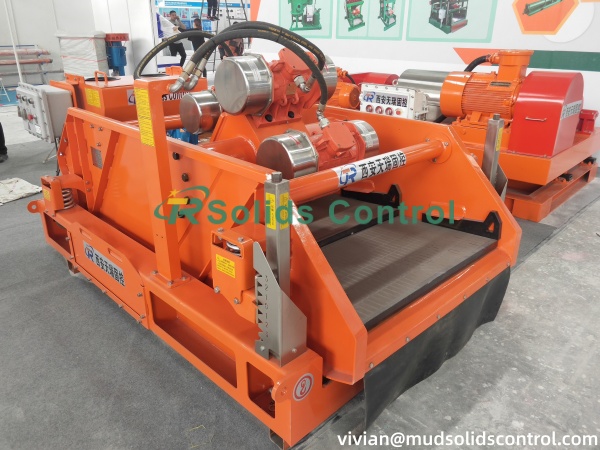
As a professional API-certified manufacturer, TR Solids Control integrates API standards throughout the entire product lifecycle—from R&D and production to inspection—while aligning with real‑world drilling needs. This results in standardized, practical shakers with distinct manufacturing strengths.
- Full-Process API Control: From material selection (Q345B alloy steel, 316L stainless steel, API-compliant fasteners) through production, TR adheres to ISO9001 and API requirements. Multiple inspections and quality oversight ensure every unit meets API certification standards.
- Certified & Adaptable Products: API-certified shakers offer both linear and elliptical motion, with capacities to match drilling flow rates. Screens use API-grade wear‑resistant polyurethane or 316L stainless steel, available in API 40-325 mesh. Configurations can be tailored for onshore, offshore, or shale gas operations to ensure precise fluid purification and cuttings separation.
- TR API-certified screens feature a multi-layer design: a coarse bottom layer for strength and a fine top layer for separation accuracy. This structure provides a large filtration area without sacrificing durability, improving fluid‑processing efficiency and screen life. The quick-install design allows fast replacement, minimizing on-site maintenance time.
As an API-certified manufacturer, TR Solids Control provides comprehensive pre-and after-sales support for drilling companies.
- Professional Selection Guidance: Our technical team recommends suitable API-certified shaker models and screen configurations based on your geology, fluid type, and operational scale.
- Standardized Installation & Training: We provide on-site installation, commissioning, and operator training to ensure correct, compliant use and maintenance of API‑certified equipment.
- Complete After-Sales & Spare Parts: A dedicated service team offers prompt technical support. We also supply original-manufacturer API-certified spare parts (screens, motors, springs) to ensure compatibility and long-term reliability.
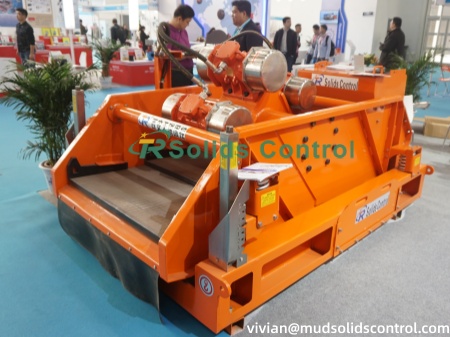
In oil and gas drilling, API-certified shale shakers signify both quality and operational safety. Their standardized manufacturing and reliable performance enhance fluid‑purification efficiency, lower operational costs, and meet international market requirements.
When selecting an API-certified shaker, verify the manufacturer’s valid credentials, complete certification reports, production capacity, and after-sales service. As a professional API-certified manufacturer, TR Solid Controls provides full certification, mature production, and comprehensive support—ensuring shakers perform to their full potential in any drilling operation.
API certification reflects shaker manufacturing quality and aligns with the trend toward professional, standardized drilling equipment. TR Solid Control Equipment continuously optimizes design and production around API standards, delivering high-quality, certified solid-control equipment that supports efficient fluid purification and cuttings separation—making us a trusted partner for drilling companies.


Leave a Reply