Tag Archives: solid control system
Drilling Fluid Shale Shaker Manufacturers
In oil and gas drilling, the shale shaker is the first critical unit in solids control, directly impacting cuttings separation, fluid recycling, and operating costs. Choosing a professional manufacturer is essential for performance and full service support.
With many suppliers varying in quality and service, selecting the right partner is a key decision. TR Solids Control, a specialist shaker manufacturer, has built an integrated R&D-production-service system through years of technical and market experience. We stand out in product performance, customization, and after-sales support, providing drilling companies with complete equipment and technical solutions.
Core Selection Criteria for Drilling Fluid Shale Shaker Manufacturers
- R&D & Technical Capability: An independent R&D team is essential to optimize designs for special conditions (e.g., high viscosity fluids, marine corrosion). Key technologies include dual mode vibration and wave screen designs, supported by proprietary patents.
- Quality & Certification: Equipment should meet API and ISO standards. A full quality control system—from materials to final inspection—ensures wear resistance, corrosion resistance, and stable operation.
- Customization Ability: Manufacturers must tailor shakers to specific conditions: capacity, screen specs, installation size, etc. Examples include compact units for tight sites and corrosion resistant models for offshore platforms.
- Comprehensive After Sales Service: A broad service network is critical for on site installation, operator training, rapid fault response, and spare parts supply to minimize downtime in complex drilling environments.
Choosing TR as your shale shaker manufacturer delivers high quality equipment along with complete technical and service support, providing multiple operational benefits:
- Higher Fluid Processing Efficiency: Advanced vibration and screen designs achieve over 80% solids removal, reducing downstream workload and boosting overall system efficiency while enabling fluid recycling.
- Lower Drilling Costs: Reliable performance cuts downtime and extends equipment life. Efficient screening increases fluid recovery, reducing new fluid purchases and waste disposal expenses. Competitive pricing and full after sales service further lower total cost of ownership.
- Adaptability to Complex Conditions: A full product line suits everything from conventional drilling to shale gas and offshore operations, ensuring stable performance across diverse environments.
- End-to-End Technical Support: We assist from selection and customization through installation and operation—helping you optimize layout, train operators, and maximize equipment performance.
Selecting an unqualified shale shaker manufacturer can lead to poor processing efficiency, frequent breakdowns, higher maintenance costs, and increased drilling risks. In contrast, a reliable manufacturer like TR Solids Control delivers stable equipment and full support, effectively improving fluid purification efficiency, reducing costs, and ensuring operational continuity.
The choice of shaker manufacturer directly impacts drilling efficiency and expense. With strong R&D, a complete product line, customization, and comprehensive after sales service, TR has become a trusted partner for many drilling companies. Moving forward, TR will continue to focus on solids control innovation, optimizing performance to provide reliable equipment and solutions that help the oil and gas industry achieve lower costs and higher efficiency.
Drilling Fluid Shale Shaker Selection: Condition‑Based Scientific Method
The selection of the drilling fluid shale shaker—the core front-end equipment of the fluid-treatment system—directly impacts cuttings separation, fluid recycling, and overall drilling efficiency and cost. A mismatched shaker can cause poor screening, frequent failures, or even insufficient purification that jeopardizes safety.
Drawing on years of R&D, manufacturing, and field experience, TR Solids Control has developed a systematic shaker-selection method for onshore, offshore, and shale-gas operations. By evaluating core parameters, condition adaptability, and system compatibility, we provide scientific selection guidance to ensure the shaker precisely matches your drilling needs, delivering reliable support throughout the fluid-treatment process.
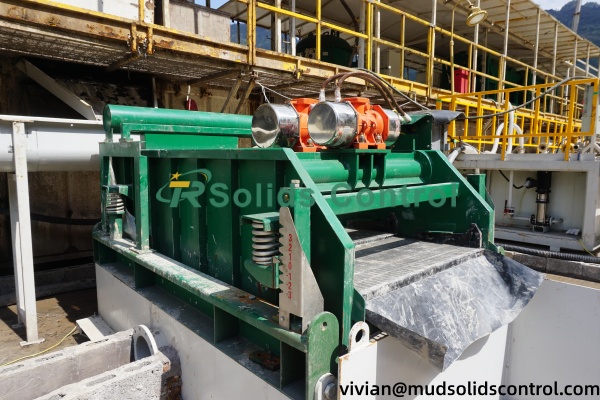
Scientific shale shaker selection is based on four core dimensions linked to actual drilling conditions:
- Drilling Fluid Parameters – For high-viscosity/high-solids mud, choose units with elliptical vibration and adjustable force. For large flow rates, prioritize wide screens and high capacity to avoid overflow.
- Site Environment – Offshore/saline-alkali fields require heavy-duty anti-corrosion and stainless steel fasteners. Confined sites (mountains/deserts) benefit from compact, modular designs. TR offers dedicated series for each environment.
- Cuttings Characteristics – Large, hard cuttings demand robust screens and wear-resistant mesh. Fine-grained cuttings require precise mesh selection. TR shakers support flexible mesh changes to match cuttings.
- System Integration – Shakers must interface seamlessly with downstream equipment (desanders, desilters, centrifuges). TR designs its shakers to match its full solids control line, enabling plug and play system efficiency.
TR Solids Control offers a targeted range of drilling fluid shakers, each designed for specific conditions:
- Standard Shaker: For conventional on-shore vertical and shallow wells with moderate flow. Uses linear vibration and standard screen sizes.
- Multi-Mode Shaker: Switchable linear/elliptical vibration with adjustable force (5–8G) and live screen‑angle tuning. Ideal for variable, high viscosity, high solids drilling such as shale gas and tight oil.
- Corrosion-Resistant Shaker: Built for offshore platforms and saline-alkali fields. Features heavy duty anti-corrosion coating, 316L stainless steel frame/fasteners, and an IP65-rated sealed motor.
- Compact Modular Shaker: Modular, space-saving design for confined sites (mountains, deserts, urban piling). Maintains full capacity with reduced footprint and weight.
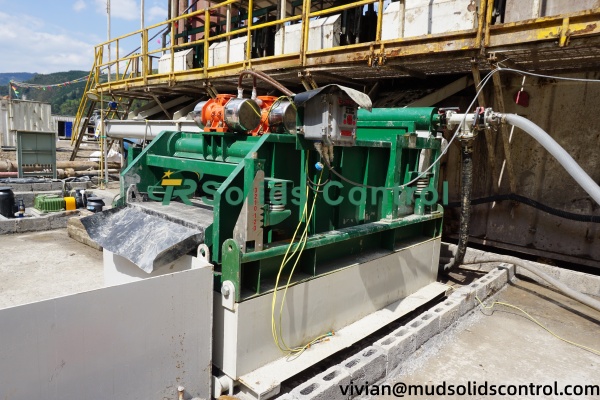
TR Solids Control provides a complete selection support system that enables customers—without needing prior expertise—to choose the right drilling fluid shale shaker through a guided, step by step process:
- Free Condition Analysis & Custom Plans
- On‑Site Survey & Equipment Trial
- Post Selection System Configuration Guidance
- Lifetime Upgrade Recommendations
Scientific shaker selection is essential for efficient fluid treatment and cost‑effective operations. TR not only supplies a full range of shakers for all conditions, but also delivers systematic selection methods and end-to-end support based on deep field experience. From condition analysis and custom solutions to equipment integration, TR ensures every shaker precisely matches your drilling needs, delivers stable screening performance, and supports efficient, safe drilling operations.
Oilfield Mud Shale Shaker
Drilling mud is the “blood” of the well, cooling the bit, lubricating tools, and balancing pressure. When it returns to the surface, it carries solids like cuttings and sand. Without immediate separation, mud performance degrades, tools wear faster, and risks such as stuck pipe increase.
The shale shaker solves this. A vibration motor drives the screen bed at high frequency, quickly separating cuttings from the fluid. Liquid and fines pass through for further treatment, while larger solids are discharged. This restores mud properties, improves recycling, lowers fresh mud costs, and is indispensable in drilling operations.
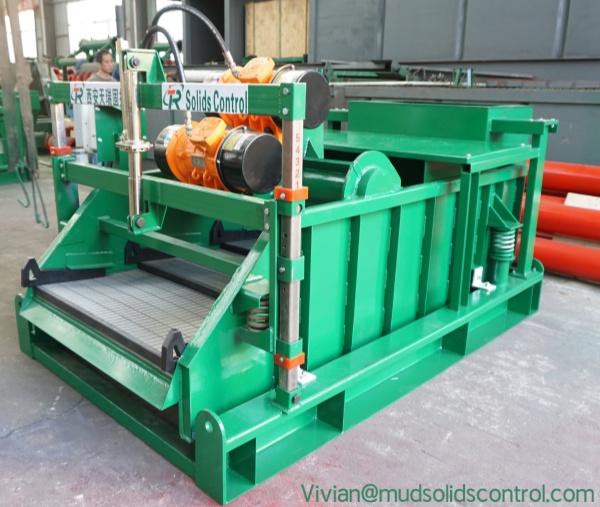
Oilfield drilling presents diverse, challenging conditions, with variations in mud viscosity, solids, and flow rates requiring highly adaptable shale shakers. TR solids control has tailored its shakers for oilfield mud, delivering targeted technical features:
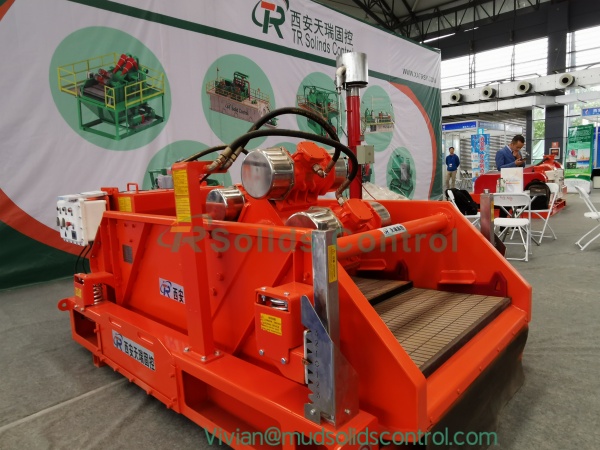
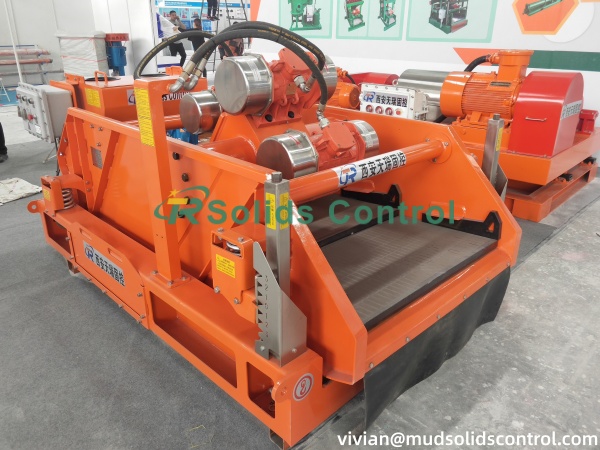
- Anti-Blinding Screen Design: Wear-resistant polyurethane screens with anti-clogging openings prevent sticking in high-viscosity mud. Available in 20-200 mesh to match cuttings size, balancing accuracy and throughput. Quick‑release buckles allow one-person screen changes, reducing downtime.
- Dual-Mode Vibration: Switchable linear and elliptical vibration modes. Linear handles high-volume mud rapidly; elliptical improves screening in high-solids mud. Adjustable excitation and amplitude suit varying block conditions, including shale and tight oil.
- Durable, Corrosion-Resistant Build: The screen box is fully welded Q345B alloy steel with heavy-duty anti-corrosion coating, built for humid, saline oilfield sites. A composite-spring damping system absorbs operational impact, reduces machine vibration, and extends service life.
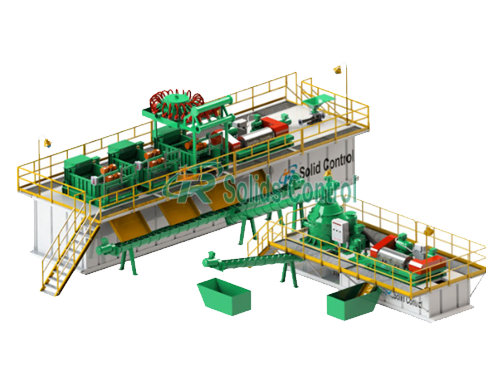
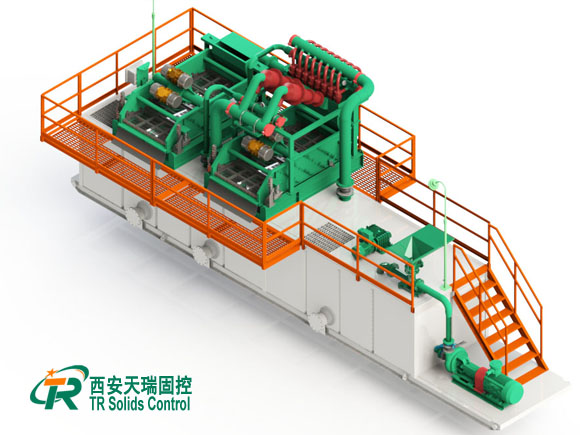
In oilfield drilling, the shale shaker works as part of a complete TR solids control purification chain alongside desanders, desilters, and centrifuges.
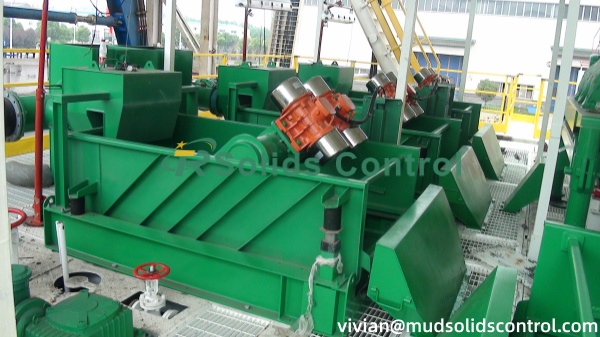
After initial separation by the shaker, mud flows to the desander (removing 20-74 µm sand), then the desilter (removing 2-20 µm clay), and finally undergoes deep purification in a centrifuge. The cleaned mud is returned to the well for reuse.
This multi-stage process can raise mud reuse rates above 90%, lowering both procurement costs and waste discharge, in line with green drilling principles.
When selecting an oilfield shale shaker, match it to your specific block conditions by focusing on three aspects:
- Capacity – Ensure the rated flow matches your drilling output to avoid overflow or oversizing.
- Adaptability – For high-viscosity, high-solids mud, choose units with switchable vibration modes and anti‑blinding screens.
- After-Sales Support – Verify the supplier can supply parts and provide prompt on-site technical assistance.
TR Solids Control offers tailored shaker solutions based on your geology and drilling parameters. We support the entire process—installation, commissioning, training, and spare parts—through our extensive service network.
How to improve shale shaker performance
To optimize shale shaker performance, proper equipment selection for your specific drilling conditions is essential.
TR Solids Control designs its shakers with multidimensional adaptability to match a range of scenarios:
- Vibration Trajectory: Offers both linear and elliptical modes. Linear mode is ideal for high‑volume fluid processing, while elliptical mode improves screening efficiency for high‑viscosity fluids. The modes can be switched based on fluid viscosity and solids content.
- Material & Structure: The screen box is made of welded high-strength alloy steel with a heavy-duty anti-corrosion coating for harsh, damp environments. Wear‑resistant polyurethane screen mesh and quick-release clamps extend service life and reduce replacement time.
- Processing Capacity: With a range from 40-360 m³/h, the equipment is available in single, double, and triple configurations to precisely match your flow rate and well depth, preventing under-or over-performance.
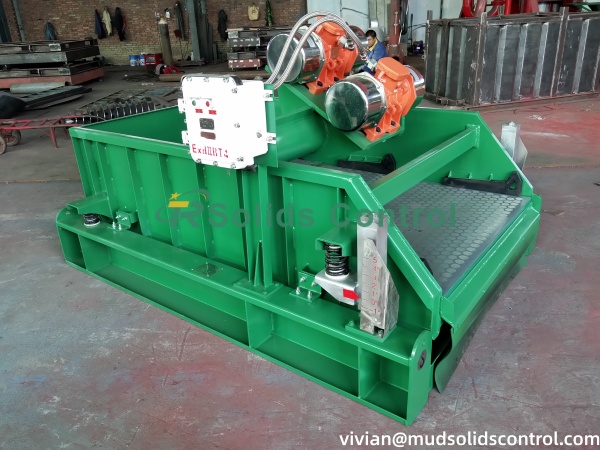
To ensure stable, long‑term shale shaker performance, TR Solids Control recommends a disciplined maintenance routine focused on three core areas:
- Screen Management: Inspect screens regularly for wear or damage and replace them promptly. TR quick‑install design allows one operator to change screens in under five minutes. Choose from 20–200 mesh sizes to balance screening accuracy with processing capacity.
- Parameter Adjustment: Adjust excitation force (5–8g) and deck angle (–3° to +3°) in real time based on drilling fluid conditions. For example, increase force in high‑solids phases to boost cuttings discharge.
- Component Care: Periodically inspect the vibration motor, springs, and bearings. Lubricate as needed and replace worn parts with TR standardized spare parts to maintain compatibility and performance.
The shale shaker functions as the frontline of the entire solids control system, with its performance depending on integrated coordination with downstream equipment. TR Solids Control complete system links the shale shaker with desanders, desilters, and centrifuges for seamless operation:
- The shale shaker performs initial separation of large cuttings, reducing the processing load on downstream units.
- Its operating parameters can be adjusted based on downstream processing capacity to ensure continuous fluid purification.
- For special drilling conditions, TR provides tailored system coordination. In shale gas projects, for instance, screen and centrifuge parameters can be optimized together to enhance drilling fluid recycling efficiency.
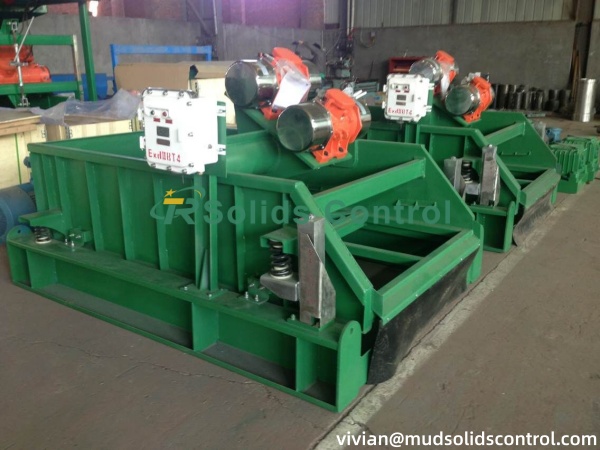
Optimizing shale shaker performance requires expert technical support and after‑sales service. TR Solids Control experienced technical team provides the following assistance:
- On-site Assessment & Selection Guidance: Recommends the appropriate shaker model based on your drilling geology and discharge requirements.
- Installation, Commissioning & Training: Ensures proper parameter setup and trains operators for correct usage.
- Regular Follow-up & Performance Checks: Identifies and resolves potential issues early, extending equipment life.
Enhancing shale shaker performance involves continuous optimization—from selection and operation to system integration. With professional design and comprehensive service, TR Solid Control offers practical solutions that help drilling companies achieve efficient, stable operations.
Shale Shaker- Drilling Equipment
Hundreds or thousands of meters underground, the drill bit advances, and the rock cuttings it generates mix with drilling fluid and flow back to the surface via the wellbore. Direct reuse of this cutting-laden fluid will cause drill bit wear, pipeline clogging, fluid performance degradation, and even stuck pipe incidents.
Enter the shale shaker—the high-efficiency “smart sieve” of solids control systems. Its motor drives the screen bed to vibrate at high frequency; as cutting-mixed drilling fluid flows onto the screen, liquid and fine particles pass through the mesh to become reusable clean fluid, while larger rock cuttings are conveyed to the discharge port. This completes the first stage of solids separation.
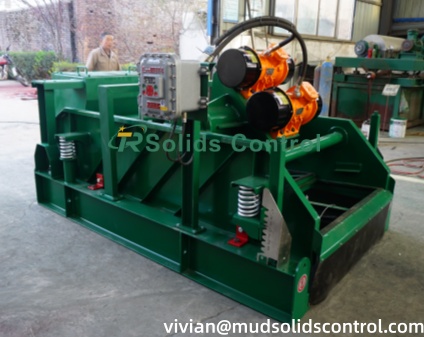
Despite its straightforward operating principle, the shale shaker acts as the first line of defense in drilling fluid purification. A reliable unit can remove over 80% of solid impurities, directly impacting the efficiency of downstream solids control equipment and the overall drilling cost of the well.
Drilling site conditions are complex and variable—drilling fluid can be as viscous as rice paste or flow at a ragingly high rate, easily overwhelming standard shale shakers. TR solids control shale shakers, however, are engineered to tackle these challenges head-on.
- Dual-Mode Vibration: Switches between linear and elliptical trajectories. Linear mode quickly clears cuttings from high-volume fluid; elliptical mode handles thick, sticky mud for efficient solid-liquid separation in all conditions.
- Robust Field‑Ready Design: Built to withstand humidity, dust, and corrosion. Features a welded high‑strength alloy‑steel screen box with heavy‑duty anti‑corrosion coating. Wear‑resistant polyurethane mesh includes quick‑change buckles for fast replacement, reducing downtime.
- Low‑Noise & Stable: Uses composite shock‑absorbing springs to dampen vibration, lowering noise and preventing foundation damage. Ensures quiet, stable long‑term operation even in harsh environments.
Shale shaker is not a standalone unit but the critical “vanguard” in TR’s complete purification system. It is followed by a coordinated sequence of equipment: desander, desilter, and centrifuge.
Drilling fluid first undergoes initial separation at the shaker. It then flows progressively through the other units—each removing successively finer particles—until it is deeply purified by the centrifuge. The result is clean, performance-ready fluid that returns to the well.
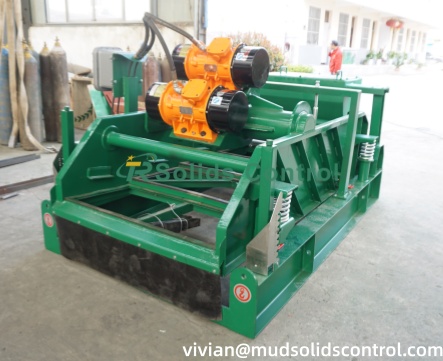
This systematic approach significantly boosts fluid recycling rates. It cuts costs by reducing the need for new fluid and minimizes waste discharge, offering both economic and environmental benefits that drilling teams value.
Choosing shale shaker requires matching it to your specific operating conditions. First, verify the processing capacity suits your drilling output. Second, prioritize durable structural materials to withstand harsh drilling environments. Finally, ensure reliable after-sales support for quick repairs and part availability.
TR Solid Control offers both standardized screens and customized solutions, tailored to your drilling depth, geology, and fluid type. Our professional team supports you from selection and installation through to maintenance, ensuring reliable, worry-free operation.
In drilling, every piece of equipment is critical. The shale shaker, as the essential “cuttings scavenger,” excels in fluid purification. If solid control is a concern for your operations, consider TR’s vibrating screens—your potential “efficiency champion.”
Drilling Shale Shaker: Applications and Value in Oil-Gas Solids Control
In the process of oil and gas exploration and development, the Drilling Shale Shaker is one of the core pieces of equipment in the drilling solids control system, mainly used for the primary solid-liquid separation of drilling fluid. Through high-frequency vibration and screen filtration, the shaker can effectively separate cuttings and maintain the stability of the drilling fluid.
The Drilling Shale Shaker provided by TR Solids Control is widely used in various types of drilling projects due to its reasonable structural design, stable operation, and adaptability to different working conditions.
Basic working principle of a Shale Shaker: Regular vibrations are generated by a vibrating motor, causing the drilling fluid to form a flow path on the screen surface: drilling fluid passes smoothly through the screen for recovery; solid particles are retained and quickly discharged; reduces the sand content in the drilling fluid; improves the operating conditions of subsequent solids control equipment.
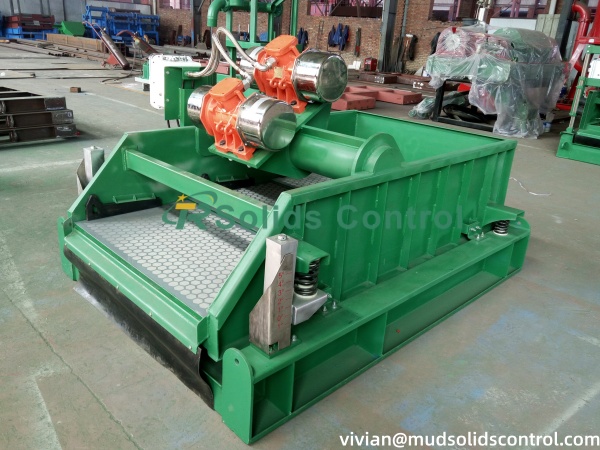
TR Solids Control in the design and application of Drilling Shale Shakers, focuses on equipment stability and practicality, mainly reflected in:
– Multiple mesh configurations to adapt to different drilling fluid systems
– Dual motors or linear vibration structures to ensure screening efficiency
– Adjustable screen box angles to meet different flow and viscosity requirements
– Modular structural design for easy on-site maintenance and replacement
Application Scenarios of Drilling Shale Shaker in Drilling Solid Control Systems
Onshore oil and gas drilling projects
Offshore platform drilling projects
Directional and horizontal well operations
High-circulation drilling fluid handling systems
By properly configuring the Drilling Shale Shaker, the overall efficiency of the solid control system can be effectively improved.
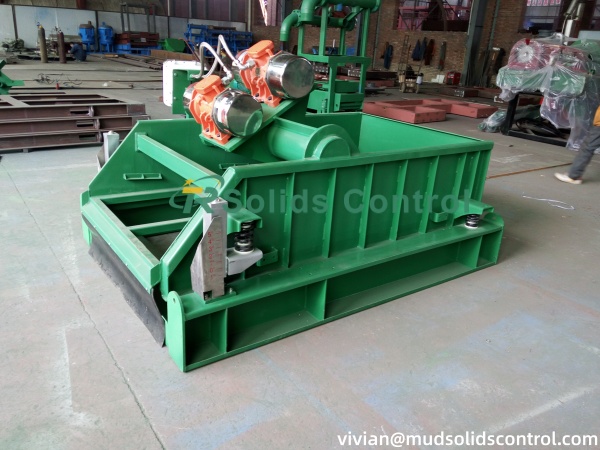
How to Choose the Right Drilling Shale Shaker?
When selecting a model, you can focus on the following factors:
– Drilling fluid handling capacity and flow requirements
– Screen size and ease of replacement
– Vibration type and excitation force parameters
– Stability of continuous equipment operation
– Manufacturer’s technical support and service capabilities
TR solid control equipment can provide various models of Drilling Shale Shakers according to different drilling conditions, meeting the diverse needs of projects.
As an important component of the drilling solid control system, the Drilling Shale Shaker plays a crucial role in ensuring the quality of drilling fluid, reducing equipment load, and improving operational efficiency. With the application experience of TR solid control equipment, it can provide more stable and sustainable solid control solutions for oil and gas drilling projects.