


Shale Shakers: Key Functions in Drilling Rig Mud Systems
The shale shaker in drilling rig mud systems is the primary solids control device responsible for removing drill cuttings from the circulating drilling fluid. As the first-stage separation equipment, the shale shaker ensures stable mud performance, protects downstream machinery, and supports continuous drilling operations. Its working efficiency directly affects drilling safety, equipment service life, and overall mud cost.
What Is the Shale Shaker in Drilling Rig
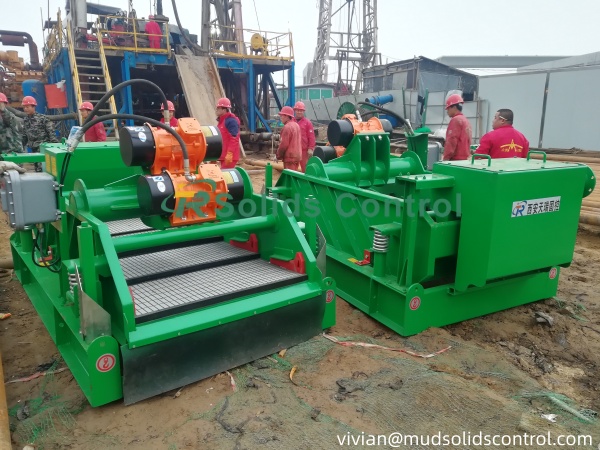
At its core, the drilling rig shale shaker is a mechanical screener that removes large/medium drill cuttings (rock, shale, formation debris) from drilling mud. Drilling fluid cools/lubricates the drill bit, transports cuttings to the surface, and maintains pressure to block formation fluids—contamination from unseparated cuttings reduces its viscosity and impairs these critical functions.
Working Process of Shale Shaker in Drilling Rig
The shale shaker operates on a simple yet highly effective principle: Drilling fluid mixed with cuttings is pumped to the surface and fed onto a vibrating screen (mounted on a frame driven by electric/hydraulic motors at specific frequency and amplitude). Vibration moves cuttings across the screen—larger particles are discharged as waste, while cleaned fluid passes through and re-enters the mud system for reuse.
Core Functions of Shale Shaker in Drilling Rig Operations
- Protecting Drilling Fluid Quality: A high-performance shale shaker removes most solid particles before fluid reaches downstream equipment, reducing their workload, preserving fluid chemical properties, extending fluid lifespan, and cutting replacement costs.
- Enhancing Drilling Efficiency: Clean drilling fluid maintains optimal density and viscosity for pumping and cuttings transport. By preventing drill bit overheating/clogging, the shale shaker enables faster penetration rates and shorter drilling cycles.
- Ensuring Operational Safety: Consistent fluid density (maintained via effective solids separation) preserves required pressure for well control, mitigating blowout risks from contaminated fluid-induced pressure loss.
- Reducing Environmental Impact: Efficient solids separation minimizes contaminated fluid disposal volume, lowering waste management costs. Reusable treated fluid and responsible solid waste handling reduce the drilling operation’s environmental footprint.
Why Shale Shaker Is Essential in Rig Mud Systems
- Controls Solids Content: Removing solids reduces mud density and viscosity, ensuring efficient drilling.
- Protects Downstream Equipment: Hydrocyclones, centrifuges, and pumps work more efficiently with cleaner mud.
- Improves Drilling Safety: Stable mud properties maintain wellbore pressure and prevent drilling hazards.
- Reduces Operational Costs: Cleaner mud extends screen life, reduces chemical usage, and lowers disposal volume.
How to Select Shale Shaker for Drilling Rig
- Required processing capacity
- Motion mode (linear or elliptical)
- API screen size compatibility
- Vibration G-force
- Screen replacement system
- Rig space limitations
The well-selected shale shaker enhances entire mud system efficiency and reduces downtime.
The shale shaker in drilling rig operations plays a vital role in solids control and drilling mud management. By efficiently removing cuttings, it supports clean mud circulation, reduces equipment wear, and ensures smooth and cost-effective drilling. With the right design and proper maintenance, a shale shaker significantly improves rig performance and operational stability.


Leave a Reply