


Shale Shaker – Drilling Fluid
Drilling fluid, known as the “blood” of drilling operations, cools the bit, lubricates tools, and balances formation pressure. When it returns to the surface, it carries rock cuttings and solids that must be removed to avoid fluid degradation, stuck pipes, or wellbore collapse.
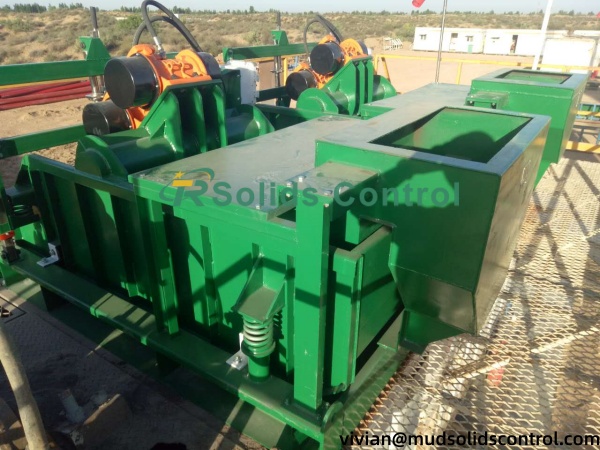
The shale shaker serves as the first defense in fluid purification. A vibration motor drives the screen bed at high frequency, separating cuttings from the fluid. Liquid and fine particles pass through for further treatment, while larger cuttings are discharged. This process restores fluid properties, reduces the need for new fluid, and lowers operational costs through recycling.
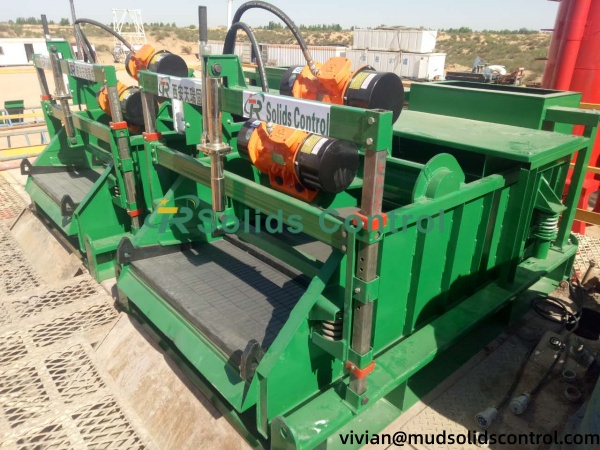
Drilling fluid properties like viscosity, density, and solids content vary widely across different conditions, requiring highly adaptable shale shakers. TR solids control has addressed this need with targeted design improvements:
- Dual Vibration Mode – Features switchable linear and elliptical vibration trajectories. Linear mode rapidly processes low‑viscosity, high‑volume fluids, while elliptical mode prevents screen blinding in high‑viscosity, high‑solids fluids such as those used in shale gas drilling.
- Customizable, Wear-Resistant Screens – Offers polyurethane and high‑manganese steel screens in 20-200 mesh sizes to match particle-size requirements. The quick-release buckle design enables tool-free screen replacement, minimizing downtime.
- Enhanced Corrosion Resistance – For corrosive environments (e.g., saltwater or acidic muds), key components such as the basket and frame are constructed from 316L stainless steel and coated with heavy‑duty anti‑corrosion protection, extending service life in harsh conditions.
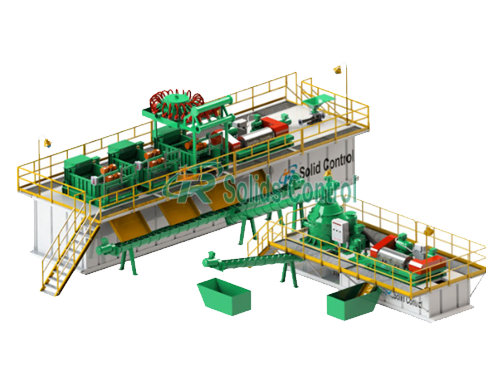
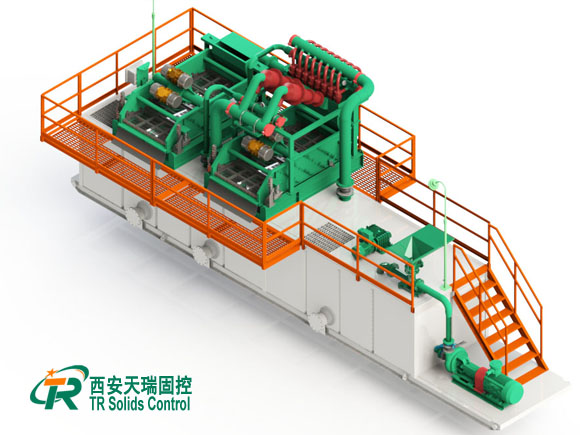
In drilling operations, the shale shaker works within a complete TR solids control system, forming a multi‑stage purification chain together with desanders, desilters, and centrifuges.
Fluid first passes through the shale shaker for initial solids removal, then flows to the desander (20-74 µm) and desilter (2-20 µm), and finally to the centrifuge for deep purification. The cleaned fluid is returned to the drilling process.
This coordinated, staged approach can raise fluid recycling rates to over 90%, minimizing waste fluid consumption and disposal while supporting greener drilling operations.
To ensure continuous, stable performance from a shale shaker, proper selection and regular maintenance are essential.
- Selection: Match the shaker capacity and vibration mode to your drilling fluid flow, viscosity, and solids content. Materials and protection levels should also be chosen based on site conditions. TR Solid Control Equipment offers professional guidance and model recommendations tailored to your fluid parameters.
- Maintenance: Regularly inspect screens for wear or blockage and replace as needed. Lubricate core components such as the vibration motor and bearings, and keep the equipment clean to prevent corrosion from fluid residue.
Effective shaker-fluid coordination is key to smooth drilling operations. Drawing on deep expertise in fluid handling, TR Solids Control delivers shakers with stable performance and high adaptability, providing practical solutions for drilling fluid purification and recycling.


Leave a Reply